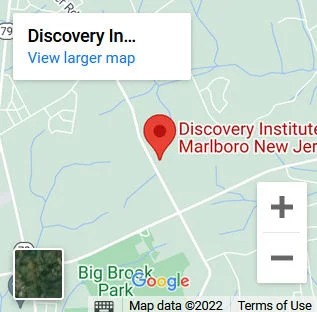
Verify InsuranceGet Directions
Get Help Now (732) 333-3167
Discovery Institute
  • Detox
    • Alcohol Detox
    • Amphetamine Detox
    • Benzodiazepine Detox
    • Cocaine Detox
    • Drug Detox
    • Medical Detox
    • Opiate Detox
    • Prescription Drug Detox
    • Meth Detox
    • Fentanyl Detox
    • Heroin Detox
  • Residential
    Treatment
    • Rehab
    • Treatment for Young Adults
    • Treatment for Adults
    • Treatment for Seniors
    • Fentanyl Rehab
    • Opiate Rehab
    • Benzo Rehab
  • What We Treat
    • Substance Use Disorder
    • Alcohol
    • Adderall
    • Amphetamine
    • Benzodiazepines
    • Cocaine
    • Kratom
    • Opioids
    • Prescription Drugs
    • Meth
    • Fentanyl
    • Heroin
    • Club Drugs
    • Marijuana
    • Medetomidine
  • Programs
    • Intensive Outpatient Program
    • Addiction Counseling
      • Individual Therapy
      • Group Therapy
      • Cognitive Behavioral Therapy
      • Dialectical Behavior Therapy
      • Equine Therapy
      • Family Therapy
    • Dual Diagnosis
      • ADHD and Addiction
      • Anxiety and Addiction
      • Bipolar Disorder and Addiction
      • Depression and Addiction
      • Eating Disorders and Addiction
      • OCD and Addiction
      • PTSD and addiction
      • Personality Disorders and Addiction
    • Holistic Addiction Treatment
    • Relapse Prevention
    • Telehealth Treatments
    • Treatment Planning
    • Vocational Services
    • Alumni Program
  • Resources
    • Blog
    • Family Support
    • Addiction Guides
      • Am I an Addict?
      • Addiction & Health Problems
      • The Stages of Addiction
      • Guide for Parents of Addicts
      • Guide for Spouses of Addicts
      • Guide for the Children of Addicts
      • Understanding Overdose
      • Going Through Withdrawal
    • Insurance Coverage
      • Verify Your Insurance
      • Aetna Insurance
      • Blue Cross Blue Shield
      • Emblemhealth Insurance
      • Prosper
      • Tricare Insurance
      • Humana Insurance
      • Oxford Healthcare
      • United Healthcare
      • MHC for Treatment
      • 1199 Insurance
      • Princeton Health/MedPro Health Insurance
      • Horizon NJ Insurance
      • New York Hotel Trade Insurance
      • NY State Empire Plan Insurance
      • Empire Bluecross Blueshield
      • Iron Workers Local #40 Insurance
      • Qualcare
      • Beacon Health Options
      • Magnacare
      • Magellan
      • Amerihealth
      • Anthem Bluecross Blueshield
    • Interventions
    • Overdose Response Initiative
      • Naloxone Finder
      • Distribution
      • Overdose Resources
    • Sober Living
    • FAQ’s
    • Helpful Links
  • About
    • Our Purpose
    • Our Team
    • Our Contributors
    • Our Facility
    • Client Testimonial
    • Our Technology
    • Our Research
    • Our Editorial Policy
  • Contact
    • Admissions
    • Directions
    • Referral
    • Careers
  • Search
  • Verify Insurance
  • Call Now
Benzo Rehab
Home / Blog / Life After Benzo Rehab: What Recovery Actually Looks Like

Life After Benzo Rehab: What Recovery Actually Looks Like

Written by

Dev AdsUp

Posted On: Nov 20, 2026
Life After Benzo Rehab: What Recovery Actually Looks Like

Jump to Section

Toggle
    • Table of Contents
  • The First Days After Leaving Benzo Rehab
  • Benzo PAWS: The Part Nobody Warns You About
  • Managing Rebound Anxiety in Benzo Recovery
  • Building a Sober Support Network After Benzo Rehab
  • Managing Triggers in Benzo Recovery
  • Continuing Care After Residential Benzo Rehab
  • Brain Healing After Long-Term Benzo Use
  • What to Do If You Relapse After Benzo Rehab
  • Ready to Start Your Recovery?

Table of Contents

  • The First Days After Leaving Benzo Rehab
  • Benzo PAWS: The Part Nobody Warns You About
  • Managing Rebound Anxiety in Benzo Recovery
  • Building a Sober Support Network After Benzo Rehab
  • Managing Triggers in Benzo Recovery
  • Continuing Care After Residential Benzo Rehab
  • Brain Healing After Long-Term Benzo Use
  • What to Do If You Relapse After Benzo Rehab
  • Ready to Start Your Recovery?

Leaving benzo rehab is a genuine achievement — but it’s also the beginning of the hardest stretch. The structure, clinical support, and predictability of residential treatment give way to real life, with its complexity, its triggers, and its absence of the scaffolding that made early recovery possible. Understanding what comes next — honestly, not optimistically — is one of the most useful things you can do before walking out the door.

The First Days After Leaving Benzo Rehab

The transition out of residential treatment is its own adjustment. For weeks or months, your schedule has been structured, your environment controlled, and your support immediately available. When that structure is removed, many people experience a jarring sense of exposure — even when they feel ready to leave.

This is normal. What matters is that the transition is planned, not improvised. A solid discharge plan — arranged before you leave — should specify where you’re going, who your ongoing support contacts are, what your first week’s schedule looks like, and exactly what you’ll do if cravings arrive. If your discharge plan doesn’t include those specifics, ask for them before you leave the building.

Benzo PAWS: The Part Nobody Warns You About

Most people leaving benzo rehab have some familiarity with the acute withdrawal phase. Far fewer are prepared for post-acute withdrawal syndrome — and this gap in understanding is one of the most consistent drivers of relapse in people who have otherwise done everything right.

PAWS is the longer neurological tail of benzo dependence. The brain’s GABA system — which benzodiazepines have been supplementing, sometimes for years — takes extended time to recalibrate after the acute withdrawal resolves. During that period, people often experience:

  • Waves of anxiety that arrive without a clear external trigger
  • Insomnia and disrupted sleep — often the most persistent symptom
  • Cognitive fog, difficulty concentrating, memory gaps
  • Mood swings and emotional instability
  • Emotional flatness — a reduced capacity to feel pleasure (anhedonia)
  • Intermittent cravings, sometimes appearing months after leaving treatment

PAWS from benzo dependence can last 6 to 18 months, and in some cases longer for people with very long-term high-dose use. It is not permanent — the brain does recover — but the timeline is longer than most people expect. For a detailed look at how the benzo withdrawal timeline extends into the post-acute phase, that resource breaks down what to expect week by week. The most important thing to understand about PAWS is that a difficult week at month four is not a sign of failure or relapse — it is a normal part of neurological healing. Knowing this in advance is one of the most powerful relapse prevention tools available.

Managing Rebound Anxiety in Benzo Recovery

Rebound anxiety is one of the defining challenges of post-benzo recovery — and it catches many people off guard. Because Klonopin, Xanax, Valium, and other benzos are so often prescribed to treat anxiety, the anxiety that emerges during and after withdrawal can feel like the original problem returning in force. In many cases, it is more intense than anything the person experienced before starting the medication.

This is not the original anxiety. It is a withdrawal-driven state that resolves as the nervous system recalibrates. But living through it — especially in the first weeks and months after rehab — requires real tools:

  • Cognitive behavioral therapy (CBT) — learning to identify and interrupt anxious thought patterns without reaching for a substance
  • Mindfulness and grounding techniques — practices that bring attention to the present moment and reduce the amplifying effect of anxiety
  • Regular physical exercise — one of the most consistently evidence-supported interventions for anxiety and mood
  • Sleep hygiene — protecting sleep quality through consistent routine, limiting caffeine, and managing screen time
  • Non-benzo medications where appropriate — SSRIs, SNRIs, buspirone, or beta blockers can support anxiety management without the dependence risk of benzos

Any decision about non-benzo medication should be made in collaboration with your prescribing physician — not independently in the middle of a difficult stretch.

Building a Sober Support Network After Benzo Rehab

Isolation is the most consistent predictor of relapse across all types of addiction recovery — and it is especially pronounced in benzo recovery, where anxiety and social withdrawal are common symptoms of both the addiction and the post-acute phase. The relationships and routines built around benzo use leave a vacuum when those are removed. Without a competing network of sober connection, that vacuum tends to pull people back.

Building a support network doesn’t mean finding perfect people or transforming your social life overnight. It means:

  • Identifying two or three people you trust to call when cravings or difficult emotions arise
  • Finding a consistent recovery community — NA, SMART Recovery, or an online benzo recovery community
  • Maintaining scheduled contact with your therapist or counselor
  • Being honest with the people in your life about where you are and what you need

The Discovery Institute alumni program provides an ongoing community for people who have completed treatment — a network of people who have been through what you’ve been through and who understand the specific challenges of benzo recovery.

Managing Triggers in Benzo Recovery

Stress is the primary trigger in benzo recovery — which makes sense, because benzos were most commonly used to manage anxiety and stress. In early recovery, the usual stress management tool has been removed, and the nervous system is still hypersensitive. Learning to manage stress without benzos is not intuitive and takes deliberate practice.

Practical tools that help:

  • A structured daily routine — predictability reduces background anxiety
  • The HALT check — when a craving arrives, assess whether you’re Hungry, Angry, Lonely, or Tired. These states amplify cravings and are addressable with basic self-care
  • Grounding techniques — physical sensations (holding something cold, focusing on breath) that interrupt the dissociation that anxiety and cravings can produce
  • Knowing your specific triggers in advance and having a plan for each one

Discovery Institute’s relapse prevention program in New Jersey provides structured tools and ongoing accountability specifically designed for this stage of recovery.

Continuing Care After Residential Benzo Rehab

Residential treatment is one level of care in a continuum. Leaving residential doesn’t mean treatment is finished — it means the intensity of support is stepping down to match where you are in the recovery process. Most clinical guidelines recommend transitioning into continuing care after residential, which might include:

  • Intensive outpatient program (IOP) — structured programming several days per week, allowing you to live at home or in sober living
  • Individual therapy — regular sessions with a therapist who specializes in anxiety, trauma, and addiction
  • Psychiatric support — particularly important if anxiety, panic disorder, PTSD, or depression were part of the picture before or during benzo use
  • Ongoing relapse prevention programming — skill building and accountability as the recovery process matures

Discovery Institute’s relapse prevention program in New Jersey and alumni program provide structured pathways to continue your recovery after leaving residential care.

Brain Healing After Long-Term Benzo Use

One of the most important things to understand about benzo recovery is that the brain does heal — but on its own timeline. The GABA system, the sleep architecture, the cognitive functions that feel impaired in early recovery — all of these improve meaningfully over the course of the first year. The improvements are often nonlinear: not a steady upward progression, but a gradual raising of the floor between difficult periods.

What to expect realistically:

  • At 3 months: physical symptoms largely resolved; anxiety and sleep still variable; cognitive function beginning to improve
  • At 6 months: mood more stable; PAWS waves less frequent; clearer stretches becoming more common
  • At 12 months: most people report significant improvement across all domains; the brain has largely recalibrated

What to Do If You Relapse After Benzo Rehab

Relapse in benzo recovery is not uncommon — particularly during the PAWS phase when anxiety is high and the memory of how benzos felt has not yet faded. If relapse happens, how you respond to it matters more than the relapse itself.

  • Do not use alone. Tolerance drops significantly after a period of abstinence — a previously normal dose can now produce dangerous sedation or respiratory suppression, particularly if combined with alcohol or opioids.
  • Tell someone immediately. Shame and secrecy extend relapse. Honesty shortens it.
  • Contact your treatment provider. A single relapse may not require returning to residential treatment — it may require adjusting your outpatient plan or increasing support. That conversation needs to happen quickly, not eventually.
  • Don’t let shame spiral into continued use. One episode of relapse does not erase the work you have done. Your response to it is what matters.

Ready to Start Your Recovery?

If you or someone you love is still in the process of deciding to seek help for benzo addiction, Discovery Institute is here. Our team is available 24 hours a day to answer questions, explain your options, and walk you through what to expect. Call (732) 333-3167 or learn more about benzo rehab in New Jersey at Discovery Institute. Most major insurance is accepted, and same-day intake is available.

Find out how we can help

Our compassionate counselors are standing by to answer any questions you may have. After helping thousands of people over the last 50 years, we have the resources to help you and your family and all your individual needs.


Contact Us

Dev AdsUp

Read More

Are You Covered For Insurance Treatment?

Insurance Logo
Insurance Logo
Insurance Logo
Insurance Logo
Insurance Logo
Insurance Logo
Verify Insurance

Need Professional Help With Addiction?

  • New Jersey Addiction Treatment
  • Addiction & Mental Health Programs
  • Intensive Outpatient Program (IOP) in New Jersey
  • Dual Diagnosis Treatment in New Jersey
  • Drug & Alcohol Detox Programs

Addiction Recovery & Detox

  • Depressant Drugs: Long-Term Side Effects
  • Involuntary Commitment Laws in New Jersey
  • Sleeping Pill Addiction
  • How to Find an AA Sponsor
  • 10 Common Questions About Alcohol Detox
  • Foods That Fight Depression
  • How Substance Abuse Affects Marriage

Drug & Substance Abuse FAQs

  • What Do Shrooms feel Like?
  • How Does Drinking Affect the Thyroid?
  • Can Adderall Cause a Heart Attack?
  • Can You Overdose on Cough Drops?
  • Does Alcohol Cause Mood Swings?
  • Are You Dealing With Dry Drunk Syndrome?
  • How Does Alcohol Affect Cortisol?
  • Do Illegal Drugs Cause Hair Loss?
  • What Drugs Cause Dilated Pupils?
  • Can Alcohol Abuse Cause Multiple Sclerosis?

Copyright © 2026 Discovery Institute. All Rights Reserved.

Accessibility Toolbar

  • Powered with favoriteLove by Codenroll

GET IN TOUCH

We’re Ready When You Are.

Call 24/7 to have a discussion with one of our treatment professionals the call is completely free. Admission Line and explanation of convenient private phone and free prescreening.

Need Help? Contact Us

(732) 333-3167


Schedule Your Admission

Free assessment and 100% confidential  
  • This field is for validation purposes and should be left unchanged.
Blue and orange tree logo with leaves and blue background bar on the left.
  (732) 333-3167
  80 Conover Rd
Marlboro, NJ 07746
       
The Joint Commission gold seal with text National Quality Approval and abstract design in the center.

About Discovery

  • About
  • Meet Our Staff
  • Admissions Information
  • Contact Us
  • Get Directions
  • Review Us
  • Find Us On the Web

Rehab & Treatment

  • Rehab Programs
  • Drug Rehab
  • Alcohol Detox
  • Drug Detox

Get Directions

Map

Addiction Resources

  • Learn About Addiction
  • Am I An Addict
  • Common Rehab Questions
  • Insurance Verification

Copyright © 2026. All Rights Reserved. Discovery Institute Recovery Center | Privacy Policy | Accessibility


Jump to Section

×
    • Table of Contents
  • The First Days After Leaving Benzo Rehab
  • Benzo PAWS: The Part Nobody Warns You About
  • Managing Rebound Anxiety in Benzo Recovery
  • Building a Sober Support Network After Benzo Rehab
  • Managing Triggers in Benzo Recovery
  • Continuing Care After Residential Benzo Rehab
  • Brain Healing After Long-Term Benzo Use
  • What to Do If You Relapse After Benzo Rehab
  • Ready to Start Your Recovery?
→ Table of Contents