
What Is Fentanyl?
Fentanyl is a synthetic opioid originally developed to treat severe pain and used today in hospitals for surgical anesthesia and for patients with severe chronic pain.[2]
Pharmaceutical fentanyl is classified as a Schedule II controlled substance, since it does have medical value; however, the fentanyl currently driving the overdose epidemic in the U.S. is overwhelmingly illicitly manufactured in illegally run labs and distributed through drug trafficking networks around the country.[3]
Like all opioids, fentanyl works by binding to opioid receptors in the brain and central nervous system, producing pain relief, drowsiness, and euphoria at higher doses. Because of its extreme potency, the margin for error in dosing is extremely narrow, with even a tiny miscalculation in dose capable of resulting in respiratory failure that can lead to coma or death in minutes.[4] Symptoms of fentanyl overdose include slowed or stopped breathing, confusion, pinpoint pupils, and loss of consciousness; without prompt administration of naloxone, death can quickly follow.[5]
Fentanyl has increasingly been contaminating the illicit drug supply and poses an enormous risk to anyone using street drugs, meaning even people who did not intend to take fentanyl are dying from it. Many counterfeit pills containing lethal amounts of fentanyl are produced to look like commonly abused medications such as Xanax, Adderall, and oxycodone.[6] This reality has dramatically changed the risk of any illicit substance use and makes getting help for addiction more urgent than ever.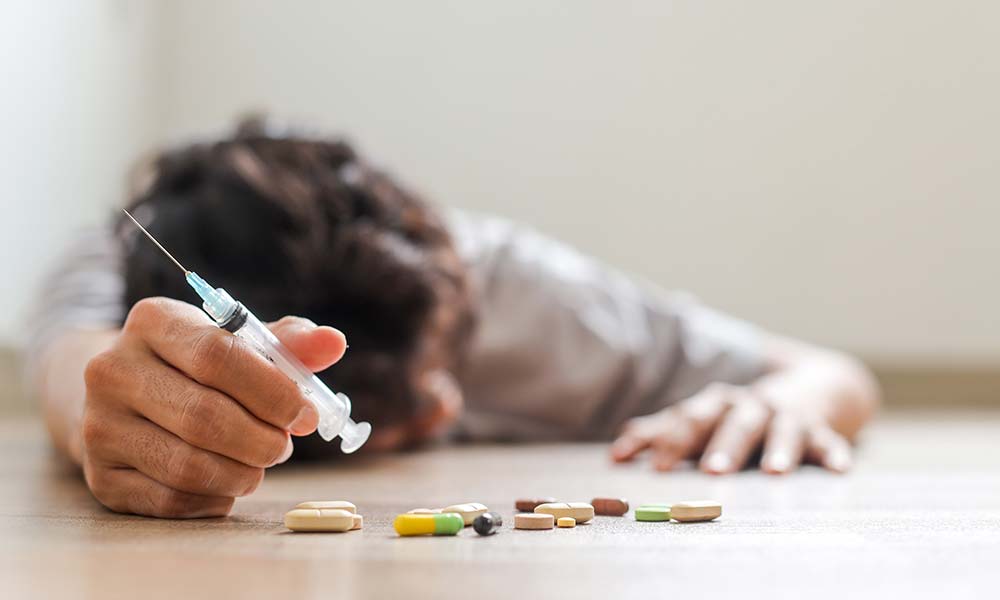
Fentanyl Addiction and Abuse
Addiction to fentanyl develops quickly.
Physical dependency can develop within days of frequent use, considerably faster than with other opioids.[7] The euphoria fentanyl produces is intense but brief, encouraging rapid redosing and quickly creating a powerful addictive cycle that is very difficult to break without professional help.
There are two main paths to fentanyl addiction. Some people develop opioid use disorder taking prescribed fentanyl or other opioids for chronic pain, then transition to street fentanyl as tolerance causes legitimate prescriptions to lose their effectiveness or as prescriptions become harder to get. Others start by taking fentanyl unknowingly, whether in counterfeit pills or contaminated substances, and become physically dependent before realizing what they were taking. Regardless of how dependency began, both groups show the same pattern: the brain’s opioid receptors adapt to fentanyl, tolerance develops, and stopping use brings on withdrawal symptoms that can feel unbearable.
Prolonged fentanyl use causes serious damage to the body and mind. Beyond the constant risk of overdose death, chronic use significantly impairs immune function, reduces cognitive ability, causes emotional instability and mood swings, worsens anxiety and depression, and damages overall mental health.[8] The social consequences, such as strained relationships, job loss, financial ruin, and legal problems, pile on top of one another, deepening the sense of hopelessness that makes seeking help feel impossible for many users.
Signs of Fentanyl Abuse
Due to its extreme potency, the physical signs of fentanyl use are often very apparent.
Common warning signs include:
- A drowsy appearance; nodding off at unusual times
- Shallow or slow breathing
- Pinpoint pupils
- Disorientation and confusion
- Excessive sweating
- Extreme mood changes after dosing
- Preoccupation with finding the next dose
- Withdrawal from family, friends, and responsibilities
- Continuing to use fentanyl despite a previous overdose or a genuine desire to stop
If you recognize these signs in someone you care about, do not wait. Contact us today to find help.
Why Fentanyl Is Different From Other Opioids
Understanding what separates fentanyl from other opioids, including prescription opioids and heroin, is important for anyone struggling with it or concerned about a loved one. While fentanyl is far more potent than other opioids, there are additional factors that distinguish it.
Fentanyl acts on opioid receptors almost immediately and has an extremely narrow safe dosing range. With heroin or oxycodone, a person who has developed some tolerance has a degree of protection against overdose. With illicitly produced fentanyl, which is often unevenly distributed throughout pills and powders, a single pill can contain a lethal dose in one portion and a fraction of a dose in another. And there is no way to know how much fentanyl is in any given dose.
Because of fentanyl’s rapid onset and extremely short half-life, withdrawal also hits harder and faster than with longer-acting opioids. Symptoms begin within hours of the last dose, which drives people to keep using even when they desperately want to stop. This is exactly why telling someone addicted to fentanyl to “just quit” is not only unhelpful but can also be dangerous. Medication-assisted treatment is considered the standard of care for treating fentanyl use disorder because it reduces use, improves treatment retention, and lowers the risk of overdose and death.[9]
Understanding what makes fentanyl uniquely dangerous matters both for people using it and for families trying to make sense of what’s happening. Fentanyl is not just a stronger version of other opioids. Its potency and pharmacology create risks that set it apart from heroin, oxycodone, or prescription painkillers in ways that have fundamentally changed the overdose crisis.
Fentanyl Withdrawal and Detox
Fentanyl withdrawal is severe, rapid, and, without medical support, one of the primary reasons people relapse before they can truly begin recovery. Because fentanyl leaves the body quickly, withdrawal symptoms can appear within 6 to 12 hours after the last dose, significantly faster than with other opioids.[10]
Common fentanyl withdrawal symptoms include:
- Uncontrollable cravings
- Severe muscle spasms and restlessness
- Nausea, vomiting, and diarrhea
- Excessive sweating, flushing, chills, and goosebumps
- Acute insomnia and anxiety
- Irritability and emotional instability
- Elevated heart rate and blood pressure
With medically supervised detox using buprenorphine or methadone, these symptoms are significantly reduced in intensity, and the risk of relapse during the most vulnerable early stages of recovery is lowered.[11] The goal of detox is not only to get a person through withdrawal, but it is also to provide enough stabilization for meaningful therapy to begin.
When It’s Time to Get Fentanyl Addiction Help
Given how quickly a fentanyl overdose can become fatal, there should be little hesitation in seeking treatment. Some signs that it is time to contact a fentanyl rehabilitation program include:
- You are unable to stop using fentanyl even though you want to
- You have experienced or witnessed a fentanyl overdose
- You are using illicit fentanyl or products that may contain unknown amounts of fentanyl
- You are exceeding prescribed doses or obtaining fentanyl outside of medical channels
- Withdrawal symptoms are preventing you from stopping despite wanting to
- Family members or loved ones have expressed concern about your safety
- You can no longer function without fentanyl
The grip of fentanyl addiction is powerful, and trying to get through it without professional help is extremely difficult. Thousands of people overcome fentanyl addiction every year with the right treatment, the right medications, and the right support team behind them.
Fentanyl Addiction Treatment
Effective fentanyl addiction involves a combination of prescription medications along with various types of counseling or behavioral therapies, and aftercare. Due to the extremely rapid onset of withdrawal when attempting to stop fentanyl, all forms of treatment usually begin with medically supervised detoxification before proceeding to a comprehensive behavioral treatment program.
The process looks different for everyone, but it typically follows a similar pattern.
Medication-assisted treatment (MAT) has been proven to significantly decrease overdose-related deaths and improve long-term outcomes for those suffering from substance use disorders, and is central to fentanyl addiction treatment.[12]
The primary forms of MAT include:
- Buprenorphine (Suboxone) — Reduces both cravings and withdrawal symptoms, without producing a high, which allows patients to be treated in an office-based outpatient setting.
- Methadone — A long-lasting opioid agonist that provides relief for severe fentanyl dependency, available through a licensed treatment program.
- Naltrexone (Vivitrol) — A medication that completely blocks opioid receptors; it is generally used as part of an overall recovery plan for those who have previously undergone detoxification.
- Naloxone — Not considered a treatment medication, naloxone reverses overdoses and should always be present in emergency kits used by those at risk for such emergencies.
Behavioral therapies work along with medications to provide structure and direction toward achieving long-term recovery.