Substance-Specific Treatment Programs

Alcohol and drug dependence are serious issues in today’s society, and getting help is one of the most important decisions someone can make. Finding the right treatment center and program can make all the difference in your recovery.

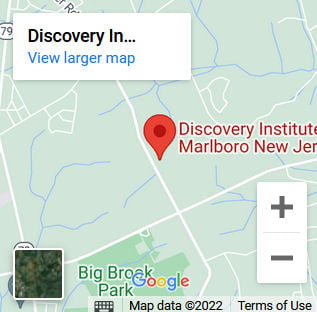
At Discovery Institute in Marlboro, New Jersey, we have been helping those suffering through substance addiction and families reclaim their lives for over 50 years, making us one of New Jersey’s original and most established treatment programs. Our substance abuse treatment programs span a full continuum of care, from medical detox and residential treatment to intensive outpatient programming and relapse prevention, so that every person who walks through our doors receives the level of care their situation needs.

Whether you are seeking help for yourself or trying to find the right path forward for someone you love, our team is here to guide you.

Alcohol

Alcohol addiction is frequently underestimated due to its social acceptance. However, alcohol withdrawal is extremely dangerous to physical health. Consequently, detoxification requires medical supervision in a safe environment. At the Discovery Institute, we provide the supportive setting necessary for each person to successfully withdraw from alcohol and reclaim their physical safety.

Adderall

Adderall is a commonly abused stimulant used to treat narcolepsy and attention-deficit hyperactivity disorder (ADHD). However, dependence can develop through regular use. Recovery programs for Adderall use focus on both the physical dependence and the behavioral patterns associated with the abuse.

Amphetamines

Amphetamines are powerful stimulants that flood the brain with dopamine. People who abuse amphetamines can develop physical dependence and long-term neurological and psychological damage. The residential and outpatient programs at the Discovery Institute provide medically informed support.

Benzodiazepines

Benzodiazepines, including Xanax, Klonopin, and Valium, are very dangerous substances with life-threatening withdrawal symptoms. A medically supervised detoxification process with tapering may be required. The clinical staff at the Discovery Institute provides the necessary structured and supportive care needed for people struggling with benzodiazepine dependence.

Kratom

Kratom is a relatively new substance with opioid-like properties. As the use of kratom increases, so does the number of people becoming addicted to it and facing withdrawal symptoms when they try to stop. The Discovery Institute provides evidence-based treatment for kratom dependence as part of a holistic substance abuse treatment program.

Cocaine

Cocaine is a powerful stimulant that can quickly cause psychological dependence due to its profound effects on the brain’s reward system. The residential and outpatient substance use programming at the Discovery Institute addresses both cocaine addiction and the co-occurring mood disorders present.

Opioids

Opioid dependence is a deadly issue facing the state. The most effective treatment combines medication-assisted treatment (MAT) with evidence-based behavioral therapy. At the Discovery Institute, we offer a full continuum of care for opioid misuse, utilizing MAT as a primary tool to support addiction recovery efforts and ensure long-term stability for every person.

Prescription Drugs

Most people suffering from a prescription drug addiction start off by taking pain medications, stimulants, sleeping aids, or anti-anxiety medications as directed, and don’t even realize there is a problem until they try to stop and can’t. The staff at the Discovery Institute understands that each person has unique treatment needs and is committed to providing empathetic and personalized treatment.

Meth

Methamphetamine creates significant and long-lasting changes to how the brain processes dopamine, making it very difficult to quit once addiction sets in. The methamphetamine addiction treatment programs at the Discovery Institute focus on providing a continuum of care and using evidence-based methods to support addicted people in their recovery.

Fentanyl

Fentanyl is responsible for a significant amount of overdose deaths in the United States and is potent enough to kill in even small amounts. Our medical team will provide medically supervised detox and assistance, and medication-assisted treatment as soon as possible for fentanyl addiction patients.

Heroin

Heroin addiction profoundly changes brain chemistry, creating a physical dependence that is incredibly difficult to overcome alone. Quitting requires professional help to manage these chemical shifts. The Discovery Institute provides specialized programs to help people stabilize and heal from the physical and neurological damage caused by chronic heroin use.

Club Drugs

Club drugs like MDMA, GHB, or ketamine may seem recreational, but continued use can create physical dependence and permanently damage the brain and body. The Discovery Institute provides high-quality treatment for the complex physical and neurological damage caused by these substances, addressing both the addiction and any resulting medical conditions.

Marijuana

Evidence now validates cannabis use disorder as a clinical ailment that significantly impairs the ability to function and maintain motivation and mental health. The Discovery Institute offers evidence-based treatment for cannabis dependence, particularly for younger people or those with co-occurring mental health disorders who face higher risks from chronic use.

Medetomidine

Medetomidine is an emerging substance increasingly found in combination with other drugs, particularly opioids, which can complicate both its effects and the withdrawal process. The Discovery Institute provides medically supervised care and evidence-based treatment to safely manage withdrawal symptoms and support long-term recovery.

What Are the Signs of Drug Use?

Not everyone will display the same signs of substance abuse, nor will the signs be clear right away. Signs can take a while to fully develop, but common indicators of drug use include:

  • Noticeable changes in mood, energy, or personality that seem inconsistent or hard to explain
  • Withdrawal from family, friends, and previously enjoyed activities
  • Neglect of responsibilities at work, school, or home
  • Unexplained financial problems, missing money, or requests to borrow money
  • Changes in sleep patterns, appetite, or physical appearance
  • Secretive behavior around whereabouts, phone use, or personal belongings
  • New social circles and a loss of interest in old friendships
  • Physical signs such as constricted or dilated pupils, slurred speech, poor coordination, or unexplained weight changes
  • Increased irritability, anxiety, or paranoia
  • Finding drug paraphernalia or evidence of substance use

Recovery specialists recommend an honest conversation if you notice several of these symptoms in yourself or someone you love. The earlier you can get help for yourself or a loved one, the better the outcomes from the treatment program will be.[1]

Is There a Difference Between Addiction and Dependence?

This is one of the most commonly-asked questions people ask, and the differences between addiction and dependence are important.[2]

Physical dependence

Physical dependence means that your body has physically adapted to the drug you have been using and now needs it to function normally. When you stop taking that substance, you will most likely experience withdrawal symptoms as the body tries to readjust.

Addiction

Addiction goes far beyond dependence. Addiction is the compulsive, continued use of a substance even after the harm that results from use. When a person becomes addicted, they lose the ability to control their use and become compelled to continue looking for the substance even when they desire to stop. Addiction also causes neurobiological changes in a person’s brain reward, motivation, and impulse control in addition to physical dependence.

Many people experience both simultaneously, particularly with substances like opioids, alcohol, and benzodiazepines.[3] Both dependence and addiction require clinical attention, and both are central to what we treat at Discovery Institute.

Our Approach to Substance Abuse Treatment in New Jersey

The Discovery Institute has been serving New Jersey with substance use disorder treatment for over 50 years. We provide a complete continuum of care from medical detoxification through residential treatment, intensive outpatient programs (IOP), and relapse prevention.

We also provide individual therapy, group therapy, family sessions, medication-assisted treatment (when clinically appropriate), and dual diagnosis treatment for people with co-occurring mental health disorders. In addition, we are able to work with most major health insurers and assist you in verifying your benefits prior to making any decisions.

Recovery is not a one-size-fits-all process. At Discovery Institute, it never has been. Reach out today, and we’ll help you take the first step of your recovery journey.

Frequently Asked Questions About Substance Abuse Treatment

What are the signs that someone needs substance abuse treatment?

Is there a difference between addiction and dependence?

What is the 3-3-3 rule for addiction?

Does insurance cover substance abuse treatment?

Accessibility Toolbar