
What Are Opioids?
Opioids are a class of drugs that attach to opioid receptors in the brain and body and produce pain relief, sedation, relaxation, and, in many cases, intense euphoria.[1] This class can include both prescribed opioids like oxycodone, hydrocodone, and morphine, as well as illicit substances like heroin and fentanyl. Fentanyl in particular is manufactured illicitly in large amounts, making it one of the leading drivers of overdose deaths nationally and in New Jersey.[2]
Opioids work by binding to the brain’s reward centers, flooding it with dopamine and causing effects that the brain learns to seek out again and again. Over time, the brain will adapt to the drug’s presence, downgrading its own opioid receptors and reducing the production of its own natural dopamine.[3] This neurological shift is key to the development of opioid use disorder. According to the National Institute on Drug Abuse, approximately 9.4 million U.S. adults needed treatment for opioid use disorder in 2022, and only 25% of those received recommended treatment, highlighting the need for greater access to evidence-based care.[4]
Opioid Addiction and Abuse
Opioid addiction can develop from both prescription medications and illegal drugs. Most people with an opioid use disorder typically begin use through a legitimate prescription such as oxycodone or hydrocodone, following surgery, an injury, or a long-standing illness. As tolerance to their medication builds, however, they find themselves needing higher dosages to get the same relief. Dosage then increases, and dependency follows. A smaller number of individuals become addicted after starting opioids recreationally or after switching from prescription opioids to heroin or fentanyl, which is generally less expensive and easier to get on the street.
The New Jersey opioid crisis reflects this pattern statewide. Fentanyl contamination of the illicit drug supply has made opioid use much more deadly in recent years, resulting in thousands of overdose deaths annually and affecting communities, especially in Camden, Essex, Hudson, and Atlantic Counties, though opioid use disorder affects suburban and rural communities equally.[5]
Symptoms of Opioid Abuse
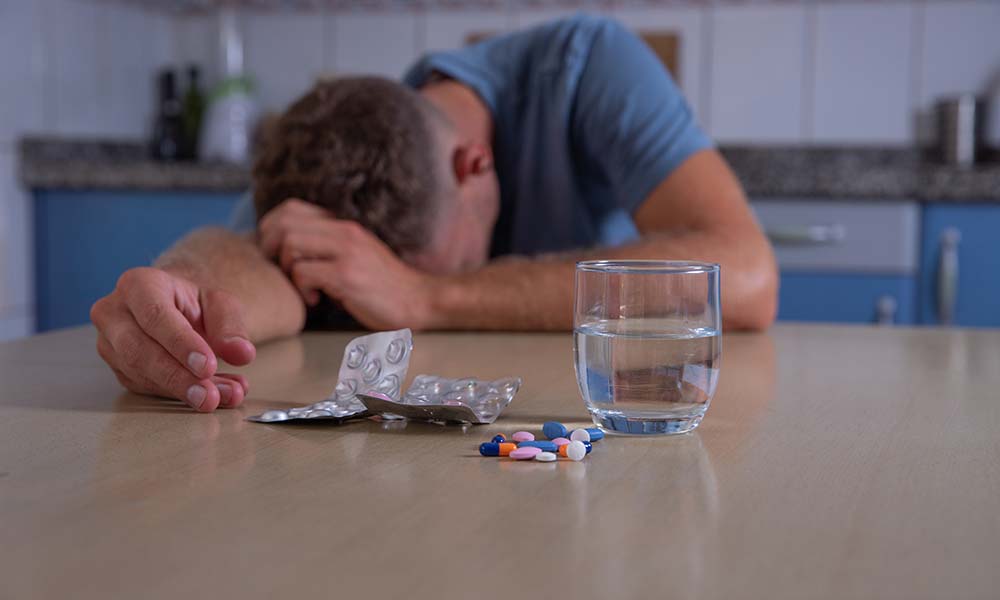
Early identification of the symptoms of opioid use disorder can save lives, whether you are experiencing them yourself or observing them in someone around you. Because opioid use disorders often develop slowly over time as a result of legitimate prescription use, identifying the symptoms can be challenging or easy to rationalize at first.
Below are the most common signs to look for:
Behavioral
- Using opioids in greater amounts or more frequently than planned.
- Spending a significant amount of time acquiring, using, or recovering from opioids.
- Continuing to use opioids despite adverse effects on employment, relationships, or overall health.
- Withdrawing from family, friends, and activities in favor of using opioids.
- Visiting multiple doctors in order to get multiple prescriptions of medication.
Physical
- Drowsiness or nodding off at unusual times.
- Constricted pupils.
- Slowed or shallow breathing.
- Sudden unexplained weight loss.
- Neglect of personal grooming and hygiene.
- Track marks or injection sites in those who use opioids intravenously.
Behavioral and physical signs may become increasingly difficult to conceal as opioid misuse continues. Individuals with opioid use disorders also commonly experience depression, anxiety, and other mental health conditions that need to be treated at the same time as the addiction itself.[6]
Opioid Withdrawal
The discomfort associated with opioid withdrawal makes it one of the biggest barriers to recovery for those with an opioid use disorder. While it is rare for opioid withdrawal to be fatal, the overwhelming discomfort causes many to relapse, making medical detox with professional support during this process essential.
Opioid withdrawal typically begins within 8 to 24 hours after the last dose of short-acting opioids such as heroin or oxycodone, and within 24 to 48 hours after the last dose of long-acting opioids such as methadone.[7]
Symptoms of withdrawal include:
- Muscle pain and cramping
- Nausea, vomiting, and diarrhea
- Sweating, chills, and goosebumps
- Insomnia and restlessness
- Severe anxiety and agitation
- Intense cravings for opioids
Psychological symptoms such as cravings, anxiety, and low mood can continue for weeks or months in what is referred to as post-acute withdrawal syndrome (PAWS).[8] Medications used to treat opioid withdrawal, including buprenorphine, Suboxone, and methadone, make it possible to manage withdrawal symptoms and reduce cravings in the outpatient setting.
When It’s Time to Get Help
It can be difficult to determine if your opioid use is causing problems that require professional help.
If any of the following apply to you, reaching out to an opioid treatment center is recommended:
- You’ve tried cutting down or quitting, but haven’t been able to.
- You’re using opioids because you can’t feel “normal” without them or to prevent withdrawal.
- Opioid use is negatively impacting your job, finances, or relationships.
- A friend or family member has expressed concerns about your opioid use.
- You have experienced or witnessed an opioid overdose.
- You are mixing opioids with alcohol, benzodiazepines, or other substances.
- You are getting opioids illegally or from multiple prescribers.
If any of these apply to you, there are opioid treatment programs available that can make all the difference.