Verify InsuranceGet Directions
Get Help Now (732) 333-3167
Discovery Institute
  • Detox
    • Alcohol Detox
    • Amphetamine Detox
    • Benzodiazepine Detox
    • Cocaine Detox
    • Drug Detox
    • Medical Detox
    • Opiate Detox
    • Prescription Drug Detox
    • Meth Detox
    • Fentanyl Detox
    • Heroin Detox
  • Residential
    Treatment
    • Rehab
    • Treatment for Young Adults
    • Treatment for Adults
    • Treatment for Seniors
  • What We Treat
    • Substance Use Disorder
    • Alcohol
    • Adderall
    • Amphetamine
    • Benzodiazepines
    • Cocaine
    • Kratom
    • Opioids
    • Prescription Drugs
    • Meth
    • Fentanyl
    • Heroin
    • Club Drugs
    • Marijuana
    • Medetomidine
  • Programs
    • Intensive Outpatient Program
    • Addiction Counseling
      • Individual Therapy
      • Group Therapy
      • Cognitive Behavioral Therapy
      • Dialectical Behavior Therapy
      • Equine Therapy
      • Family Therapy
    • Dual Diagnosis
      • ADHD and Addiction
      • Anxiety and Addiction
      • Bipolar Disorder and Addiction
      • Depression and Addiction
      • Eating Disorders and Addiction
      • OCD and Addiction
      • PTSD and addiction
      • Personality Disorders and Addiction
    • Holistic Addiction Treatment
    • Relapse Prevention
    • Telehealth Treatments
    • Treatment Planning
    • Vocational Services
    • Alumni Program
  • Resources
    • Blog
    • Family Support
    • Addiction Guides
      • Am I an Addict?
      • Addiction & Health Problems
      • The Stages of Addiction
      • Guide for Parents of Addicts
      • Guide for Spouses of Addicts
      • Guide for the Children of Addicts
      • Understanding Overdose
      • Going Through Withdrawal
    • Insurance Coverage
      • Verify Your Insurance
      • Aetna Insurance
      • Blue Cross Blue Shield
      • Emblemhealth Insurance
      • Prosper
      • Tricare Insurance
      • Humana Insurance
      • Oxford Healthcare
      • United Healthcare
      • MHC for Treatment
      • 1199 Insurance
      • Princeton Health/MedPro Health Insurance
      • Horizon NJ Insurance
      • New York Hotel Trade Insurance
      • NY State Empire Plan Insurance
      • Empire Bluecross Blueshield
      • Iron Workers Local #40 Insurance
      • Qualcare
      • Beacon Health Options
      • Magnacare
      • Magellan
      • Amerihealth
      • Anthem Bluecross Blueshield
    • Interventions
    • Overdose Response Initiative
      • Naloxone Finder
      • Distribution
      • Overdose Resources
    • Sober Living
    • FAQ’s
    • Helpful Links
  • About
    • Our Purpose
    • Our Team
    • Our Contributors
    • Our Facility
    • Client Testimonial
    • Our Technology
    • Our Research
    • Our Editorial Policy
  • Contact
    • Admissions
    • Directions
    • Referral
    • Careers
  • Search
  • Verify Insurance
  • Call Now
Drug Addiction
Home / Blog / Fentanyl Withdrawal Symptoms: What to Expect

Fentanyl Withdrawal Symptoms: What to Expect

Written by

Dev AdsUp

Posted On: Oct 5, 2026

Jump to Section

Toggle
    • Table of Contents
  • Why Fentanyl Withdrawal Symptoms Hits Differently Than Other Opioids
  • When Do Fentanyl Withdrawal Symptoms Start?
  • Physical Symptoms of Fentanyl Withdrawal
  • Psychological Symptoms of Fentanyl Withdrawal
  • Fentanyl Withdrawal Day by Day
    • Hours 6–12: Early Onset
    • Days 1–3: Peak Symptoms
    • Days 4–5: Turning Point
    • Days 5–7: Acute Phase Resolving
    • Weeks 2 and Beyond: Post-Acute Withdrawal Syndrome (PAWS)
  • What Makes Fentanyl Withdrawal More Severe?
  • Why You Shouldn’t Detox From Fentanyl Alone
  • Medically Supervised Fentanyl Detox in New Jersey
  • Frequently Asked Questions
    • How long does fentanyl withdrawal last?
    • Can you die from fentanyl withdrawal?
    • What medications help with fentanyl withdrawal?
    • Is fentanyl withdrawal worse than heroin withdrawal?
  • Ready to Take the First Step?

Table of Contents

  • Why Fentanyl Withdrawal Symptoms Hits Differently Than Other Opioids
  • When Do Fentanyl Withdrawal Symptoms Start?
  • Physical Symptoms of Fentanyl Withdrawal
  • Psychological Symptoms of Fentanyl Withdrawal
  • Fentanyl Withdrawal Day by Day
  • What Makes Fentanyl Withdrawal More Severe?
  • Why You Shouldn’t Detox From Fentanyl Alone
  • Medically Supervised Fentanyl Detox in New Jersey
  • Frequently Asked Questions
  • Ready to Take the First Step?

Fentanyl withdrawal symptoms don’t ease in slowly. Within hours of the last dose, the body starts signaling that something is wrong and it gets louder from there. Understanding what’s coming, and why it happens the way it does, makes a real difference in getting through it safely.

Why Fentanyl Withdrawal Symptoms Hits Differently Than Other Opioids

Fentanyl is roughly 50 to 100 times more potent than morphine. That potency cuts both ways: it produces a powerful effect, and it produces a powerful withdrawal. Because fentanyl has a short half-life — it clears the bloodstream faster than heroin or oxycodone — withdrawal tends to come on quickly and hit hard in the early days.

The body adapts to fentanyl’s presence by suppressing its own natural opioid activity. When fentanyl is removed, that suppression lifts all at once, and the nervous system overcorrects. That overcorrection is withdrawal.

When Do Fentanyl Withdrawal Symptoms Start?

For most people, symptoms begin 6 to 12 hours after the last dose. They peak somewhere between 36 and 72 hours, and the acute phase typically resolves within 5 to 7 days. What follows, a period called post-acute withdrawal syndrome, or PAWS — can stretch on for weeks or months, though it’s far less physically severe.

Physical Symptoms of Fentanyl Withdrawal

The physical side of fentanyl withdrawal is what most people dread, and for good reason. Common symptoms include:

  • Muscle aches and deep bone pain
  • Sweating and chills, often alternating
  • Goosebumps (the “cold turkey” effect is named for this)
  • Nausea, vomiting, and diarrhea
  • Runny nose and watery eyes
  • Elevated heart rate and blood pressure
  • Insomnia and restlessness
  • Abdominal cramping

None of these are pleasant, but they are manageable with proper medical support. The risk isn’t the symptoms themselves — it’s attempting to get through them alone, without the medications and monitoring that make the process safer.

Psychological Symptoms of Fentanyl Withdrawal

The physical symptoms get most of the attention, but the psychological side can be just as hard to endure:

  • Intense drug cravings — often the strongest urge a person has ever felt
  • Anxiety and agitation
  • Irritability and mood swings
  • Depression and emotional flatness
  • Cognitive fog and difficulty concentrating

These symptoms don’t disappear when the physical withdrawal clears. For many people, the psychological weight of early recovery is what drives relapse — which is why medically supervised fentanyl detox in New Jersey includes emotional and clinical support alongside physical management.

Fentanyl Withdrawal Day by Day

Hours 6–12: Early Onset

Anxiety, yawning, runny nose, and restlessness are usually the first signs. Many people feel like they’re coming down with the flu. Cravings begin here.

Days 1–3: Peak Symptoms

This is the hardest stretch. Muscle pain, nausea, vomiting, diarrhea, sweating, and chills are at their worst. Sleep is difficult or impossible. Cravings are intense. Heart rate and blood pressure are elevated. Medical monitoring is most critical during this window.

Days 4–5: Turning Point

Physical symptoms start to ease for most people. Nausea and vomiting typically subside. Psychological symptoms — anxiety, depression, cravings — persist and can feel more prominent once the physical noise quiets down.

Days 5–7: Acute Phase Resolving

Most of the physical withdrawal has passed. Energy and appetite begin to return. Mood remains unstable for many people. Sleep is still disrupted.

Weeks 2 and Beyond: Post-Acute Withdrawal Syndrome (PAWS)

PAWS is the longer tail of fentanyl withdrawal. Symptoms include mood swings, insomnia, anxiety, cognitive fog, and unpredictable cravings. They come and go rather than following a steady decline. PAWS can last 6 to 18 months in some cases — not dangerous, but disorienting if you’re not prepared for it. Understanding PAWS is one of the most important parts of relapse prevention in early fentanyl recovery.

What Makes Fentanyl Withdrawal More Severe?

Not everyone experiences withdrawal the same way. Several factors affect how intense it gets:

  • Dose and duration of use — higher doses and longer use lead to more physical dependence
  • Method of use — intravenous use produces stronger dependence than transdermal patches
  • Polysubstance use — combining fentanyl with other substances complicates withdrawal
  • Prior withdrawal episodes — each withdrawal can be more intense than the last (kindling effect)
  • Overall health — existing conditions affect how the body handles withdrawal stress

Why You Shouldn’t Detox From Fentanyl Alone

There’s a critical and often overlooked risk to attempting fentanyl detox at home: tolerance drops fast. Within days of stopping, your body’s tolerance to opioids plummets. If a craving wins during that window and you use your previous dose, the result can be fatal. This isn’t a rare outcome, opioid overdose during or shortly after withdrawal is one of the leading causes of death in people trying to get clean.

Medical supervision doesn’t just manage symptoms. It removes the opportunity for that kind of relapse, and it provides medications — like buprenorphine and clonidine that genuinely reduce withdrawal intensity and make the process survivable without using.

Medically Supervised Fentanyl Detox in New Jersey

At Discovery Institute, our fentanyl detox program in New Jersey provides 24/7 medical monitoring through every stage of withdrawal. Our clinical team manages symptoms with FDA-approved medications, monitors vital signs continuously, and addresses both the physical and emotional sides of detox. Detox is just the beginning but it’s the step that makes everything else possible.

Frequently Asked Questions

How long does fentanyl withdrawal last?

The acute phase typically lasts 5 to 7 days, with the worst symptoms peaking between days 1 and 3. Post-acute withdrawal symptoms (PAWS) — including mood instability, cravings, and insomnia can persist for weeks to months afterward.

Can you die from fentanyl withdrawal?

Fentanyl withdrawal itself is rarely fatal, but the risks associated with it — severe dehydration, relapse during low-tolerance windows, and complications from co-occurring conditions — make unsupervised detox dangerous. Medical supervision significantly reduces these risks.

What medications help with fentanyl withdrawal?

Buprenorphine (Suboxone) and methadone are the most commonly used medications for opioid withdrawal management. Clonidine helps with anxiety, sweating, and elevated heart rate. Anti-nausea and anti-diarrheal medications are also used for comfort.

Is fentanyl withdrawal worse than heroin withdrawal?

Many people report fentanyl withdrawal as more intense in the early days, largely because of fentanyl’s shorter half-life symptoms come on faster and peak more sharply. The overall duration is similar to heroin withdrawal for most people.

Ready to Take the First Step?

You don’t have to go through fentanyl withdrawal alone. Discovery Institute’s team is available 24/7 to answer your questions, walk you through what to expect, and help you start safely. Call (732) 333-3167 or learn more about our fentanyl rehab program in New Jersey. Same-day intake is available, and most insurance is accepted.


Find out how we can help

Our compassionate counselors are standing by to answer any questions you may have. After helping thousands of people over the last 50 years, we have the resources to help you and your family and all your individual needs.

Contact Us

Dev AdsUp

Read More

Are You Covered For Insurance Treatment?

Insurance Logo
Insurance Logo
Insurance Logo
Insurance Logo
Insurance Logo
Insurance Logo
Verify Insurance

Need Professional Help With Addiction?

  • New Jersey Addiction Treatment
  • Addiction & Mental Health Programs
  • Intensive Outpatient Program (IOP) in New Jersey
  • Dual Diagnosis Treatment in New Jersey
  • Drug & Alcohol Detox Programs

Addiction Recovery & Detox

  • Depressant Drugs: Long-Term Side Effects
  • Involuntary Commitment Laws in New Jersey
  • Sleeping Pill Addiction
  • How to Find an AA Sponsor
  • 10 Common Questions About Alcohol Detox
  • Foods That Fight Depression
  • How Substance Abuse Affects Marriage

Drug & Substance Abuse FAQs

  • What Do Shrooms feel Like?
  • How Does Drinking Affect the Thyroid?
  • Can Adderall Cause a Heart Attack?
  • Can You Overdose on Cough Drops?
  • Does Alcohol Cause Mood Swings?
  • Are You Dealing With Dry Drunk Syndrome?
  • How Does Alcohol Affect Cortisol?
  • Do Illegal Drugs Cause Hair Loss?
  • What Drugs Cause Dilated Pupils?
  • Can Alcohol Abuse Cause Multiple Sclerosis?

Copyright © 2026 Discovery Institute. All Rights Reserved.

Accessibility Toolbar

  • Powered with favoriteLove by Codenroll

GET IN TOUCH

We’re Ready When You Are.

Call 24/7 to have a discussion with one of our treatment professionals the call is completely free. Admission Line and explanation of convenient private phone and free prescreening.

Need Help? Contact Us

(732) 333-3167


Schedule Your Admission

Free assessment and 100% confidential  
  • This field is for validation purposes and should be left unchanged.
Blue and orange tree logo with leaves and blue background bar on the left.
  (732) 333-3167
  80 Conover Rd
Marlboro, NJ 07746
       
The Joint Commission gold seal with text National Quality Approval and abstract design in the center.

About Discovery

  • About
  • Meet Our Staff
  • Admissions Information
  • Contact Us
  • Get Directions
  • Review Us
  • Find Us On the Web

Rehab & Treatment

  • Rehab Programs
  • Drug Rehab
  • Alcohol Detox
  • Drug Detox

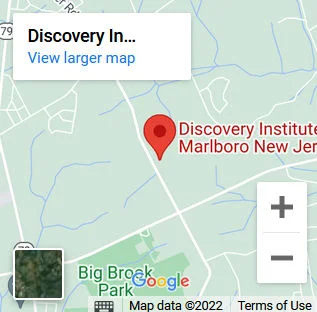
Get Directions

Map

Addiction Resources

  • Learn About Addiction
  • Am I An Addict
  • Common Rehab Questions
  • Insurance Verification

Copyright © 2026. All Rights Reserved. Discovery Institute Recovery Center | Privacy Policy | Accessibility

Jump to Section

×
    • Table of Contents
  • Why Fentanyl Withdrawal Symptoms Hits Differently Than Other Opioids
  • When Do Fentanyl Withdrawal Symptoms Start?
  • Physical Symptoms of Fentanyl Withdrawal
  • Psychological Symptoms of Fentanyl Withdrawal
  • Fentanyl Withdrawal Day by Day
    • Hours 6–12: Early Onset
    • Days 1–3: Peak Symptoms
    • Days 4–5: Turning Point
    • Days 5–7: Acute Phase Resolving
    • Weeks 2 and Beyond: Post-Acute Withdrawal Syndrome (PAWS)
  • What Makes Fentanyl Withdrawal More Severe?
  • Why You Shouldn’t Detox From Fentanyl Alone
  • Medically Supervised Fentanyl Detox in New Jersey
  • Frequently Asked Questions
    • How long does fentanyl withdrawal last?
    • Can you die from fentanyl withdrawal?
    • What medications help with fentanyl withdrawal?
    • Is fentanyl withdrawal worse than heroin withdrawal?
  • Ready to Take the First Step?
→ Table of Contents