New Jersey offers many recovery meetings, including AA, NA, SMART Recovery, Refuge Recovery, family groups, and mental health support groups.
Support groups can help people build sober support, reduce isolation, and stay connected during long-term addiction recovery.
Many recovery meetings in New Jersey are available in person, online, or in hybrid formats.
Family members, caregivers, adolescents, and young adults can also find support for the emotional impact of addiction and mental health conditions.
Peer support groups work best alongside clinical care when detox, residential treatment, outpatient care, or mental health services are needed.
Looking for support for yourself or someone you care about can feel like a major step, but there is more than one way to find sober support.
Across New Jersey, people can connect with 12-step groups, self-help groups, peer support groups, family support groups, mental health groups, online meetings, and local helplines. Some focus on alcohol or drug use, while others are intended for family members, caregivers, young adults, adolescents, or people with specific recovery needs.
This article explains the sober support options available for you throughout the state of New Jersey.
It is for informational purposes and should not replace medical advice, therapy, or emergency care. If you or someone you know is in immediate danger because of addiction or a mental health crisis, contact an emergency or crisis resource right away.
Why Support Groups Matter During Addiction Recovery
SAMHSA defines recovery as a dynamic process of change that occurs over time and results in improved health and wellness, enhanced quality of life, and an improved ability to pursue life goals.[1]
But recovering from a substance use disorder is much more than discontinuing its use. You also need to build a life with new habits and new routines, and that is very difficult to do without connection.
Most people leave a substance abuse treatment center with new goals and desires. Unfortunately, they often return to the same stressful situations and habits they had before seeking treatment. This is where support groups can help.
Support groups provide a structured environment where people can openly communicate with one another, hear experiences similar to their own, and establish relationships not based on substance use. This peer support is especially beneficial because the bond created between people with similar experiences can create an ideal base for the helping relationship in behavioral healthcare.[2]
In simpler terms, that means it helps to be with people who have gone through experiences similar to yours. Peer support can provide a sense of responsibility and accountability, emotional support, practical strategies for coping with challenges faced in recovery, and reassurance that recovery is possible even when things get difficult.
Types of Recovery Meetings New Jersey Residents Can Find
There is no “best” support group for everyone. What works best for a person typically depends on their belief system, daily routine or schedule, past substance use, current mental health status, and comfort level.
Below are some popular options for a support group that fits you.
Alcoholics Anonymous (AA): For many people looking for help with alcoholism, attending an AA meeting in New Jersey is their initial choice. The Alcoholics Anonymous of New Jersey website allows users to find information on local AA meetings, AA-related events, and how to stop drinking and live a sober lifestyle.
Narcotics Anonymous (NA): NA is much like AA, though its focus is on recovery from drug addiction and substance use disorders, rather than alcohol. Narcotics Anonymous of New Jersey offers a meeting finder with in-person, hybrid, county, area service, online, phone, Spanish, bilingual, and printable meeting options.
SMART Recovery:SMART Recovery is a self-help option for people looking for a skills-based, non-12-step approach. Its meeting finder helps people search for online and in-person meetings by location, meeting type, language, and special focus, including Family and Friends meetings.
Refuge Recovery: Refuge Recovery meetings offer a Buddhist-inspired recovery method based on meetings, meditation, individual inventory, mentoring, retreats, service opportunities, and peer support.
Mental health support groups: The National Alliance on Mental Illness (NAMI) in New Jersey provides several statewide educational and supportive options, including support groups for people who experience mental illness and family members of those people. These can be particularly beneficial for people dealing with co-occurring anxiety, depression, bipolar disorder, post-traumatic stress disorder, schizophrenia, or an addictive disorder.
Community support groups: The Mental Health Association in New Jersey offers community support groups and informational sessions about mental health issues and substance use disorders while also providing emotional support and education to the public.
Support Groups for Family Members and Caregivers
Substance use disorders affect not just the person using substances, but also their loved ones and family members, who often experience feelings of anxiety, anger, guilt, exhaustion, and confusion.
Getting the right support can allow family members to establish healthy boundaries, better understand substance use disorders, and learn how to stop enabling behavior.
Al-Anon New Jerseyhas listings of Al-Anon and Alateen meetings in New Jersey that may be in person, remote, or hybrid. Meeting types include beginners’ meetings, parent meetings, men’s meetings, women’s meetings, LGBTQIA+ meetings, and meetings for adult children of people struggling with substance use.
Alateen is another option and offers meeting support specifically for teenagers and adolescents whose lives have been impacted by a family member’s or friend’s drinking.
Nar-Anon of New Jersey is for those who have been affected by addiction in a relative or friend. Their website lists meetings, both in-person and virtual, to choose from.
Families Anonymousalso offers in-person and virtual meeting locations throughout New Jersey where attendees can discuss problems related to a loved one’s addiction or merely sit and listen to others sharing similar experiences.
In many ways, attending these support meetings can serve as a form of relief for caregivers. You do not need to know what you are going to say before you attend. You can listen first, ask questions later, and take away whatever is helpful for you.
Where to Find In-Person and Online Recovery Meetings in New Jersey
You can find local meetings by using each organization’s meeting directory website and searching for your town, city, or ZIP code.
If you are in Marlboro, for example, you could look up nearby meetings in Monmouth County. Someone commuting for school, work, or outpatient care might search New Brunswick, Newark, Jersey City, South Jersey, or a location close to public transportation.
For Alcoholics Anonymous, use the official AA New Jersey meeting listings.
SMART Recovery also allows you to search for in-person and online meetings through their website directory.
If you prefer a spiritual approach to recovery, Refuge Recovery has a meeting locator on their website.
For family members of someone addicted to alcohol or drugs, look for Al-Anon, Nar-Anon, or Families Anonymous meetings.
If you’re not sure where to begin, contact NJMentalHealthCares. This is New Jersey’s behavioral health information and referral service. It connects callers to services like legal assistance, housing, employment, rehabilitation, inpatient and outpatient services, self-help resources, and other support you may need.
It is also worth checking out if the meeting you plan to attend is “open” or “closed.” An open meeting welcomes anyone interested in the program, while a closed meeting is generally limited to people who identify as having an addiction problem or, depending on the group, family members affected by addiction.
While some meetings are designed exclusively for specific populations, others may include adults who struggle with addiction and their family members.
Meeting details can frequently change. Contact the sponsor or group leader before visiting a meeting to verify the meeting time and format.
What Happens at a First Support Group Meeting?
Your first meeting may feel awkward. Don’t worry; this is perfectly normal.
Most meetings have an organized flow, however, and once you take your seat, you can expect a logical flow of introductions, readings, a speaker, open sharing time, a topic to discuss, or a small group conversation. Some meetings may have a professional facilitator, while other groups are peer-led. Some meetings might seem very formal, while others feel more casual and conversational.
Typically, you do not have to say anything. You might choose to introduce yourself briefly or just listen to what is being said, depending on how your meeting flows. People usually attend multiple meetings before determining which support group best fits their needs.
The tips below can help make your first meeting feel a little smoother:
Arrive a little early so you are not rushed and stressed.
Turn off your phone or put it on silent during the meeting.
Listen for things you can relate to
Attend more than one meeting before deciding a support group isn’t for you
If a meeting makes you feel uncomfortable or disrespected, or you do not believe it provides what you need for recovery, then there is no shame in leaving
A meeting doesn’t have to fit you perfectly to be helpful, however. Sometimes just hearing one helpful thing from someone can be enough to help you get through your day.
How Support Groups Help Long-Term Sobriety
Long-term sobriety is made up of many repeated decisions, not just one big one.
A key reason support groups are helpful is that they establish a rhythm.
Having a weekly meeting, a phone number for a fellow member or sponsor, a peer, or a place that feels safe and comfortable can all contribute to creating a sense of community that becomes part of someone’s support system.
Support groups can also help people recognize the potential for relapse earlier than would otherwise happen. For example, if someone begins to isolate themselves, skips meetings, starts romanticizing previous substance use, or shows signs of extreme emotional overwhelm, peers may notice these behaviors and try to help the person reconnect with care.
For people in the early stages of recovery, this type of peer support can make a huge impact in keeping them from returning to substance use.
Many professional treatment programs recommend continued involvement in support groups and ongoing care once formal treatment is concluded.[3] This is because transitioning out of clinical treatment can be difficult. Clinical treatment provides symptom stabilization, healthy coping mechanisms, and support for underlying mental health issues. But once treatment is over, those supports are gone. This is why peer support is so valuable; it can help people continue to practice these new ways of handling life.
Support groups can also create opportunities for growth as people learn how to ask for help, rebuild damaged relationships, celebrate accomplishments, develop tools to cope with stress, and manage everyday aspects of life without using substances.
Emergency Resources in New Jersey
While support groups can be effective, there are situations where attending group meetings alone is not enough.
Medical or professional intervention may be required when someone is having withdrawal symptoms, has relapsed, is living with unaddressed trauma or mental health conditions, has an unsafe living environment, or is experiencing psychiatric symptoms.
In these cases, New Jersey’s official mental health resource website offers links to emergency assistance, crisis services, and behavioral healthcare providers that include:
911 when someone is in immediate danger or at risk of harming themselves or others.
Calling or texting 988 for mental health-related distress or thoughts of suicide
ReachNJ provides support for people seeking help with substance use
NJMentalHealthCares connects residents with behavioral health information and referrals.
NJ Connect for Recoveryfor family members and friends of people struggling with substance use.
SAMHSA’s National Helpline,1-800-662-HELP (4357), is also available 24 hours a day for free and confidential treatment information and referrals for people and families affected by mental illness or substance use disorders.
When Support Groups Are Not Enough by Themselves
Support groups can help you stay connected. Treatment can help you stabilize, understand what is happening, and build a stronger plan for recovery.
If you find yourself needing more addiction support than what a support group can provide, that is okay, and there is help available.
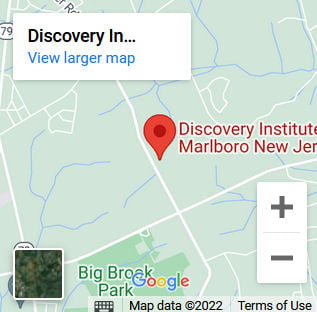
Discovery Institute in Marlboro, New Jersey, specializes in treating addiction and mental health issues for people looking for clinical help and structure. Reach out today. Our admissions staff is available to answer your questions, verify your insurance, and help you decide what your next step could be.
Frequently Asked Questions About Support Groups in New Jersey
What support groups are available in New Jersey?
Support groups in New Jersey include AA, NA, SMART Recovery, Refuge Recovery, Al-Anon, Nar-Anon, Families Anonymous, NAMI NJ groups, and community support groups through mental health organizations. Some focus on addiction recovery, while others support family members, caregivers, or people living with mental health conditions.
Are there online recovery meetings in New Jersey?
Yes. A number of the recovery meetings New Jersey residents use have online components or hybrid models. The same holds true for many AA, NA, SMART Recovery, Refuge Recovery, Al-Anon, Nar-Anon, Families Anonymous, and NAMI-affiliated groups. However, meeting availability will vary by location and organization.
How do I find AA meetings NJ residents can attend?
You can begin your search for AA meetings in New Jersey through the state AA website or one of several intergroups throughout the state. Once you arrive at one of those sites, you can filter meetings based on town, city, county, or area. Check whether each meeting you are interested in is open, closed, in person, online, or beginner-friendly.
Are Refuge Recovery meetings New Jersey options easy to find?
Refuge Recovery meetings in New Jersey may not always be readily apparent due to varying locations and schedules. Use the tools provided on the Refuge Recovery website to access current meeting information. Refuge Recovery uses a Buddhist approach to recovery and incorporates mindfulness and meditation into its program. People seeking a meditation-focused, mindfulness-oriented recovery program may find this approach helpful.
Can family members attend support groups?
Yes. Family members and caregivers can attend groups such as Al-Anon, Alateen, Nar-Anon, Families Anonymous, NAMI Family Support Group options, and NJ Connect for Recovery. These groups can provide emotional support, education, referrals, and space to talk with people facing similar concerns.
Do support groups replace addiction treatment?
No. Support groups can be an important part of long-term recovery, but they do not replace clinical care when someone needs detox, residential treatment, outpatient care, therapy, medication support, or dual diagnosis treatment.
Find out how we can help
Our compassionate counselors are standing by to answer any questions you may have. After helping thousands of people over the last 50 years, we have the resources to help you and your family and all your individual needs.
[3] Blodgett, J. C., Maisel, N. C., Fuh, I. L., Wilbourne, P. L., & Finney, J. W. (2014). How effective is continuing care for substance use disorders? A meta-analytic review. Journal of Substance Abuse Treatment, 46(2), 87–97. https://pmc.ncbi.nlm.nih.gov/articles/PMC3840113/
Amanda Stevens is a highly respected figure in the field of medical content writing, with a specific focus on eating disorders and addiction treatment. Amanda earned a Bachelor of Science degree in Social Work from Purdue University, graduating Magna Cum Laude, which serves as a strong educational foundation for her contributions.