New Jersey is an excellent destination to consider when thinking about sober vacations because many of the places people visit are close together.
New Jersey has beaches, boardwalks, cities, parks, and quiet historic towns, all within driving distance.
While there are many options available for sober travel in New Jersey, some examples of sober fun include shore walks, kayaking, hiking, museums, cooking classes, coffee shops, mocktails, and recovery meetings.
A typical sober vacation will go much smoother if you have planned out how you will spend your days, arranged for safe transportation, prepared healthy meals and snacks, allowed for downtime, and lined up support before you leave.
Staying connected to your sobriety during travel is often achieved through attending local recovery meetings, connecting with a sponsor or therapist before your departure, and continuing routines similar to those you would follow while at home.
If you have experienced cravings, relapsed due to travel, or have untreated mental health issues stemming from past substance use, then further treatment may be the next logical step.
There is no reason why a vacation needs to be boring or uneventful just because you do not drink. On the contrary, many people find that sober travel experiences provide them with everything they really looked for in a vacation: better rest, clear mornings, meaningful conversations, trying new things, and a great experience that is independent of drinking.
In particular, New Jersey is ideal for planning a sober vacation. The state allows you to pick and choose a type of getaway that meets your individual style and interests. With shore towns, historic sites, parks, cities, and restaurants located throughout the state, it can be easier to build a trip around sober activities rather than alcohol-centered plans.[1]
The flexibility of being able to choose how fast-paced your vacation should be is essential for individuals recovering from an addiction. Instead of being forced to participate in a bar-based vacation or a late-night party-based vacation, you can plan your own pace in a way that meets the demands of your well-being.
Why New Jersey Works Well for Sober Travel
If you’re looking for a variety of sober-related activities within a small geographic area, New Jersey excels. With shore towns, boardwalks, parks, historical sites, and restaurants, it becomes easier to organize a trip centered around sober activities rather than drinking.
The Jersey Shore itself has numerous sober-related attractions and activities. New Jersey’s Atlantic Ocean coastline stretches about 130 miles from Sandy Hook to Cape May, creating many opportunities for beach walks, lighthouse visits, boardwalk activities, and quiet off-season weekends by the water.[2] Whether you’re interested in watching the sun rise over the ocean, visiting a lighthouse or two, playing boardwalk games, eating frozen custard, enjoying the arcade scene, or spending a quiet weekend by the water, the choices for sober travel in New Jersey are broad.
New Jersey has numerous outdoor recreational opportunities as well. The state park system includes parks, forests, recreation areas, and historic sites across the state.[3] Sober travel in New Jersey is appealing to individuals who seek physical activity in addition to enjoying fresh air and establishing daily structure.
Year-round options are also readily available when the beach is not the primary focus of your vacation. New Jersey’s official tourism resources list events throughout the state, including arts, music, food, seasonal, cultural, and community activities.[4] For sober travelers, this affords a multitude of daytime possibilities, as well as options to partake in seasonal events and consume non-alcoholic drinks such as mocktails, flavored sodas, or juices.
Sober-Friendly Activities and Destinations in New Jersey
There are plenty of ways to plan fun, sober trips. It is mainly about focusing on sober-friendly ideas rather than ideas that put your sobriety at risk.
Jersey Shore Reset
You do not have to drink to have a great time in New Jersey. There are several beach towns, including Sandy Hook, Asbury Park, Ocean City, Cape May, and Point Pleasant, that could work for sober New Jersey vacations.
Sandy Hook is part of Gateway National Recreation Area, a National Park Service area that spans 27,000 acres from Sandy Hook in New Jersey to Breezy Point in New York City.[5] Sandy Hook also offers beaches, historic sites, and visitor resources, which can help you build a structured day around history, walking, and time by the water.[6]
Jersey City Day Trip
If you are looking for skyline views, food destinations, and low-key things to do, then Jersey City may be the right destination for you. Liberty State Park is described by New Jersey State Parks as a green oasis with the Manhattan skyline, the Statue of Liberty, and Ellis Island as a backdrop.[7]
You can easily fill up your day with a sober day trip by taking a waterfront walk, visiting a museum, grabbing coffee, getting something to eat, and ending the night with a mocktail.
Newark and North Jersey
Newark has lots of interesting attractions, such as parks, architecture, food, and the arts. Branch Brook Park is home to more than 4,000 cherry trees, giving visitors a beautiful seasonal reason to walk, take pictures, and spend time outdoors.[8]
A simple sober vacation idea in New Jersey is to walk through the park, take pictures, grab lunch, and leave before the day gets overwhelming.
Princeton and Central Jersey
Princeton can be a much more relaxing and reflective type of trip, offering historic buildings, shops, restaurants, and entertainment.[9]
This style of trip can be especially helpful for those who want a slow-paced day based around walking, browsing bookstores, visiting museums, taking cooking classes, or having a nice dinner with non-alcoholic beverages.
South Jersey and the Pine Barrens
Southern New Jersey and the Pine Barrens are strong options for those seeking more natural experiences and less stimulation. You can explore state parks, kayak, hike, birdwatch, or quietly drive through nature.
Many people in long-term sobriety find these quieter types of trips help them reconnect with aspects of themselves they lost during active addiction or substance use.
Sober Vacation Ideas in New Jersey
Most often, the most enjoyable sober trips in New Jersey begin with one central theme or focus. Plan your trip around what you want to remember rather than “Where will we drink?”
If you are looking for a fun-filled beach and boardwalk weekend, choose a shore town where you can walk around safely, eat well, and engage in classic boardwalk activities. Begin your day with coffee and a beach walk, followed by a few hours of shopping or biking. After dinner, grab some ice cream and find a meeting or another quiet activity to do at night if evenings increase your risk of relapse.
For a wellness-focused trip, create your trip around sleep, movement, and eating. You can sign up for a yoga class, book a massage, take a long hike or walk in a state park, enroll in a cooking class, or write in a journal. The benefits of traveling for wellness can be especially helpful when your recovery journey needs rest and reduced stimulation instead of more excitement.
If you are looking for an outdoor adventure, choose one thing to do and keep everything else simple. Kayaking, hiking, and biking are all great examples of a healthy focus for the day. Bring snacks and drinks, check the weather and park rules, and ask someone to come with you who will respect your decision to abstain from drinking.
When looking for city-based sober travel options, consider places like Jersey City, Newark, Montclair, or Princeton. Find museums, coffee shops, bookstores, live music, comedy, art walks, fitness studios, and restaurants offering mocktails or zero-proof drinks. Even though you may have a busy city trip, it does not necessarily mean you need to include alcohol.
Stay at a quiet hotel, home rental, or apartment, and then plan small excursions from there. This can be a great option for people new to sobriety, someone leaving rehab, or anyone wanting a mellow transition back into traveling.
How to Stay Connected to Sobriety While Traveling
Travel shakes up your routines, and routines usually protect your sobriety. But this does not mean you cannot travel. It simply means you need a travel strategy.
SAMHSA defines recovery as a process of change through which people improve their health and wellness, live self-directed lives, and work toward reaching their full potential.[10] Travel can serve this purpose when it allows you to continue practicing your sober lifestyle in a different environment. On the other hand, travel can pose risks for those who abandon all structures that assist in maintaining their grounding.
Before your trip, write down your basic plans:
Where are you going to stay?
How will you get around?
What will you do at night?
Who will you call if cravings hit?
Where are the closest recovery meetings?
Peer support can be particularly beneficial because shared experiences form the basis of many recovery support relationships. SAMHSA describes peer support as support from people who have lived experience and can help others through emotional, informational, practical, and social support.[11]
There are many ways for New Jersey residents who wish to maintain connections while traveling sober. The New Jersey Alcoholics Anonymous website lists meetings by location and includes meeting information, event listings, and resources for those seeking to stop drinking or remain sober.[12] If you are not affiliated with AA, there are many other options available, including NA, SMART Recovery, Recovery Dharma, telehealth therapy sessions, alumni program check-ins, and sober meetups.
Saving important phone numbers before leaving can also provide additional support. These may include your sponsor, therapist, sober friends, treatment center, recovery center, outpatient program, or family members.
What to Pack for a Recovery-Friendly Trip
Supporting a sober vacation requires packing beyond just clothing. Consider bringing items that aid in regulating your emotions and establishing a structured day.
Include your medications, along with your water bottle and snacks, headphones for listening to music, podcasts, or audiobooks, a journal to record thoughts, emotions, and experiences, recovery reading material, and information about nearby recovery meetings.
Consider also creating a mini-routine similar to what you normally follow at home. Activities could include a travel version of morning prayer, meditation, exercise, or sending and receiving a check-in text.
Put Food into Your Recovery Plan
Developing a plan for meals can also reduce the likelihood of intense cravings related to hunger and fatigue. Research breakfast locations, diners, coffee shops, and restaurants within the areas you intend to visit before arrival so decisions are not being made while you are hungry or tired.
New Jersey has many dining establishments where the best part of the meal does not necessarily involve alcohol.
When a Sober Getaway is Not Enough
While sober tourism can offer many benefits, it cannot replace substance use treatment for those who require clinical intervention.
If you are planning a sober vacation because you are afraid of consuming drugs or alcohol on vacation and those fears are causing anxiety about possible relapse, then take those fears seriously. If you find yourself experiencing cravings that seem difficult to manage, withdrawal from substances is occurring, your mental health is deteriorating, or every time you travel leads to relapse, then a greater level of care may be necessary.
Substance use disorder is treatable, and treatment can involve behavioral therapies, medications, care management services, or a combination of supports.[13] For people with co-occurring substance use and mental health disorders, integrated support may include behavioral therapy, medication, care management, and attention to both conditions.[14]
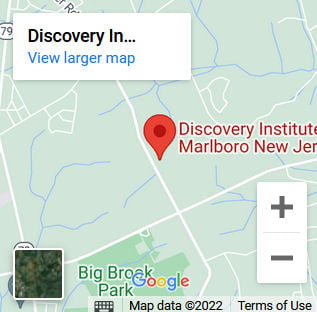
The Discovery Institute in Marlboro, New Jersey, offers addiction treatment and mental health support for those requiring assistance beyond a sober vacation with services that include detoxification, residential treatment, intensive outpatient care, therapy, holistic treatment, and more.
A vacation can give you hope and remind you of what life may be like without the influence of alcohol or drugs. Treatment can help you establish the structures needed to continue living that type of life.
If that is the help you need, reach out today. Our admissions team is here to help.
Frequently Asked Questions About Sober Travel in New Jersey
What are the best sober things to do in New Jersey?
Some of the best sober things to do in New Jersey involve walking the boardwalks, visiting state parks, kayaking, going to museums, taking cooking classes, checking out downtown areas in Jersey City and Newark, planning a day at the beach, sampling mocktails, having a scoop or two of ice cream, and attending recovery-friendly meetups.
Where can I plan sober vacations in New Jersey?
Cape May, Sandy Hook, Asbury Park, Ocean City, Princeton, Jersey City, Newark, and Southern New Jersey nature areas are all good places to plan a sober vacation, depending on what type of experience you prefer. That may include beach time, wellness, restaurants, outdoor activities, or a quiet getaway.
Can I travel during early addiction recovery?
Some people can travel during the early stages of addiction recovery, but this will depend largely on how stable they are, whether triggers are present, if they have the proper level of support from others, and the recommendation of their treatment team.
How can I stay sober while traveling?
Plan your daily schedule carefully so you can avoid high-risk situations such as bars or parties. Carry your recovery support with you, go to a recovery meeting if necessary, save important phone numbers in your phone, and call your sponsor or sober friends regularly. Protecting your sleep routine and eating schedule, maintaining regular doses of prescribed medications, and allowing adequate downtime can also help you maintain sobriety while traveling.
Are there sober activities at the Jersey Shore?
Yes. There are many sober activities available at the Jersey Shore. Some examples are sunrise walks, bike riding, arcade-style games on the boardwalk, miniature golf, yoga on the beach, lighthouse visits, shopping, dining at restaurants that are not club-like, buying and enjoying ice cream, and spending a peaceful off-season weekend.
What should I do if I feel triggered on vacation?
Pause your plans and focus on safety first. Call a sober support person, leave the triggering environment, attend a meeting, eat something, rest, or return to where you are staying. If cravings feel unmanageable or you are worried about relapse, contact a treatment program or healthcare provider.
Find out how we can help
Our compassionate counselors are standing by to answer any questions you may have. After helping thousands of people over the last 50 years, we have the resources to help you and your family and all your individual needs.
Amanda Stevens is a highly respected figure in the field of medical content writing, with a specific focus on eating disorders and addiction treatment. Amanda earned a Bachelor of Science degree in Social Work from Purdue University, graduating Magna Cum Laude, which serves as a strong educational foundation for her contributions.