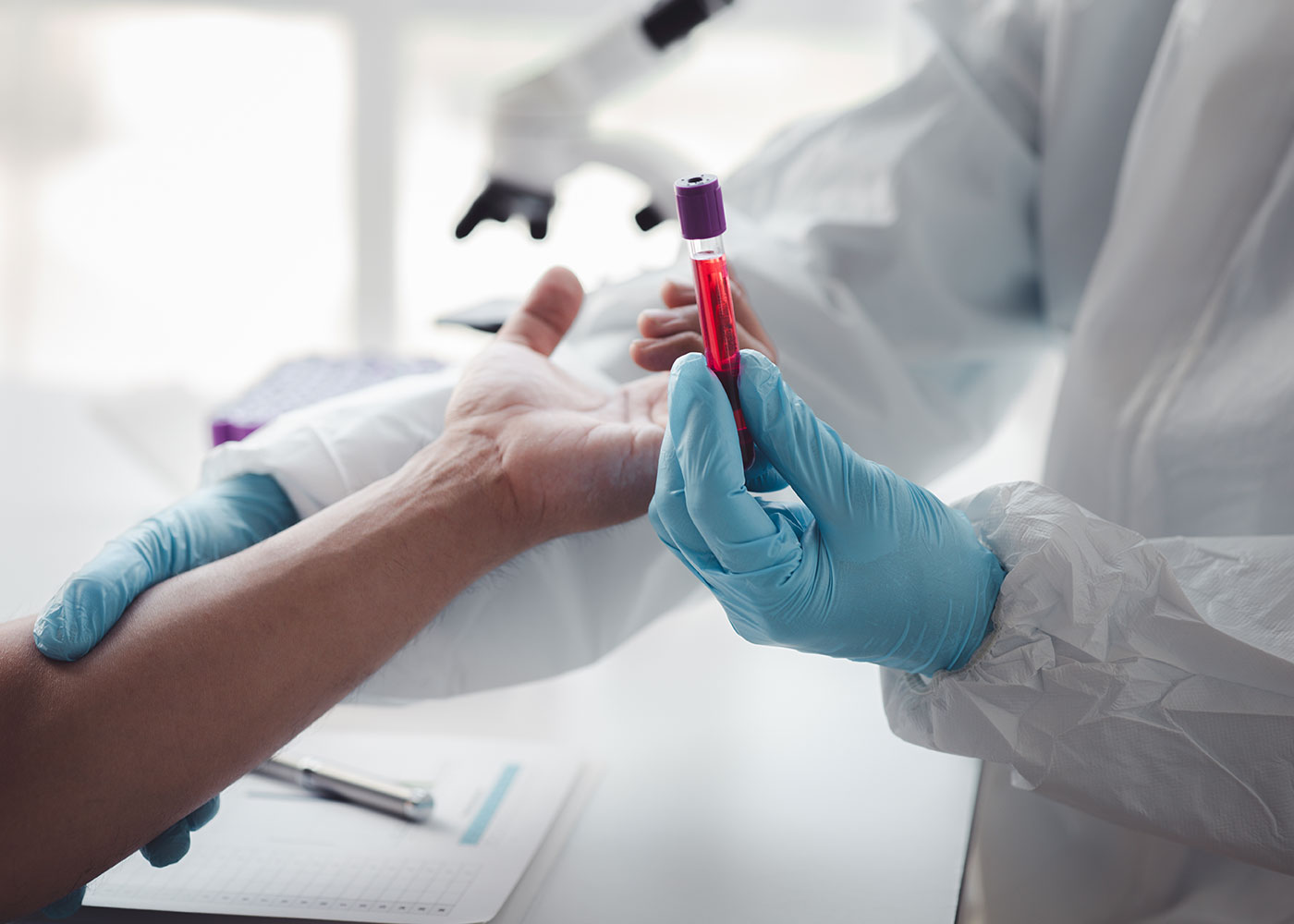
This article explains how long MDMA effects typically last and what users may experience.
Readers will learn how long MDMA stays detectable in urine, blood, saliva, and hair.
We discuss the factors that influence MDMA detection times in the body.
Health risks related to MDMA use and stimulant effects are reviewed.
Treatment and recovery options available through the Discovery Institute are highlighted.
MDMA, often known as ecstasy or molly, is a synthetic psychoactive drug that can affect mood, energy, and perception. MDMA stands for 3,4-methylenedioxymethamphetamine. It is classified as a synthetic drug with both stimulant and mild hallucinogenic properties [1]. Many people search for answers to questions such as how long does MDMA last or how long does molly stay in urine because they are concerned about health effects, drug testing, or legal and employment consequences.
Understanding how long MDMA remains in the body is important for safety, medical decision-making, and recovery planning. While the immediate effects may fade within hours, MDMA and its metabolites can remain detectable for days or even longer, depending on the type of test used and individual factors.
At Discovery Institute, we support individuals and loved ones seeking clear, compassionate information about substance use. Education can be an essential first step toward reducing harm and finding meaningful, long-term support.
How Long Do MDMA Effects Last?
MDMA affects the central nervous system by increasing the release of serotonin, dopamine, and norepinephrine [2].
MDMA is classified as a Schedule I substance under United States drug scheduling laws, meaning it has a high potential for abuse and no currently accepted medical use [3].
Onset of Effects
After ingestion, MDMA effects usually begin within 30 to 60 minutes [4]. Onset time may vary depending on how the drug is taken, the amount used, and individual metabolism.
Typical Duration of Effects
Most people report that the primary effects of MDMA last between 3 and 6 hours. During this period, users may experience increased energy, heightened sensory awareness, emotional openness, and changes in perception [1].
As the drug wears off, some individuals experience fatigue, low mood, irritability, or malaise, which is a vague feeling of discomfort often accompanied by low motivation or body aches.
Variability Between Individuals
Ecstasy duration is not the same for everyone. Factors such as dose, tolerance, body chemistry, and whether other substances were used together with MDMA all influence how long the effects last.
How Long Does MDMA Stay in Your Body?
While the noticeable effects of MDMA may last only several hours, the drug remains in the body longer and can be detected through various testing methods.
Average Presence in the Body
MDMA has an estimated half-life of about 7 to 9 hours [5]. Half-life refers to the time required for the concentration of a substance in the body to decrease by half. Most MDMA is processed within roughly 40 hours, but metabolites can linger beyond that timeframe.
Detection Windows by Test Type
Test Type
Approximate Detection Time
Urine
1 to 4 days, up to 7 days with heavy use
Blood
1 to 2 days
Saliva
1 to 2 days
Hair
Up to 90 days or longer
Urine testing is the most commonly used method in employment, probation, and clinical settings.
Factors That Affect How Long MDMA Stays in the Body
The length of time that MDMA remains in the body is very individual and can vary significantly from person to person, depending on the different variables that affect metabolism [5]. Other factors that affect the rate of elimination include the amount used, whether the user has taken MDMA before, how much and what kind of food has been consumed, whether other drugs or alcohol were taken at the same time as MDMA, what the user’s activity level is like, and how quickly they develop a tolerance to MDMA.
Key Influencing Factors
Dose Size: Higher doses take longer to metabolize.
Frequency of Use: With repeated use, there is an increased likelihood of accumulation in the body.
Metabolism Rate: Faster metabolism rates allow for more rapid elimination of MDMA from the body.
Hydration and Body Composition: Dehydration will slow elimination.
Age and Overall Health: The overall health of your body, particularly your liver, is a key factor in how much MDMA your liver will process.
Use of Other Substances: Using alcohol and/or other drugs can also change detection periods.
Genetic Differences: Some people metabolize MDMA faster than others due to genetic variance in their liver’s enzymatic activity [6].
Why MDMA Duration and Detection Matter
Health Risks
MDMA’s effect on the central nervous system can cause dehydration and overheating due to its impact on the regulation of your body’s temperature [7]. These effects can lead to heat exhaustion, dehydration, heart palpitations, which are sensations of unusually strong or irregular heartbeats, and other potentially life-threatening complications.
Additionally, MDMA causes a drop in serotonin levels, which can contribute to the increased risk of serotonin syndrome [2]. Symptoms of serotonin syndrome include anxiety, agitation, confusion, increased heart rate, and, in the most severe cases, a need for emergency medical attention.
MDMA can impair cognitive functioning, specifically memory, attention, and executive functioning skills [4]. Executive function refers to a set of mental skills that help with planning, self-regulation, and decision-making. Additionally, many people experience blackouts, which refer to moments of amnesia for the period in which they have been intoxicated.
Drug Testing and Legal Considerations
Knowing how long MDMA is detectable can be beneficial for people in the workplace, education settings, or legal settings. Individuals who are concerned that MDMA is affecting their ability to perform their job responsibilities, as well as their well-being, should reach out for assistance to gain more knowledge about the risks associated with substance use.
If You or a Loved One Needs Assistance with MDMA Use
Individuals who have concerns related to the duration of MDMA in urine may be at risk of having a substance use disorder. If you or someone you know is showing signs of substance abuse, such as mood changes, behavioral changes, or health problems, be aware that a variety of resources are available.
Discovery Institute provides evidence-based treatment options. Evidence-based treatment is utilized in a clinical environment, allowing for access to the most effective methods available to treat substance use disorders.
The approximate time that MDMA is detectable in urine is between 1 and 4 days [6]. However, if you take MDMA frequently or consume larger quantities of MDMA at once, the metabolites of MDMA may be detectable in the urine between 5 and 7 days.
Will MDMA appear on a standard drug test?
MDMA is not included in every drug panel. However, most expanded urine drug tests will test specifically for ecstasy and/or amphetamine-like drugs [6].
Is the duration of MDMA similar to other stimulants?
Generally speaking, the window of detection of MDMA is similar to that of many other stimulants; however, the amount of time MDMA metabolites are detectable depends upon the person’s metabolism rates, as well as their overall frequency of use [6].
How does MDMA metabolism differ for first-time users?
The way MDMA is metabolized generally will vary from person to person based on the dose, the hydration, and the overall health of the liver, and will, therefore, affect the duration of MDMA in their body [4].
How can I speed up my elimination of MDMA?
Currently, there is no evidence or advice readily available about a method by which someone can speed up their elimination of MDMA from their system. Some people believe that drinking extensive amounts of water during the time they are using MDMA may help reduce the chances of failing a urine drug test; however, this is extremely dangerous, and there is no research suggesting that drinking excessive amounts of water will significantly reduce detection periods in urine [7].
How long will MDMA remain detectable in hair follicle testing?
MDMA hair follicle testing will remain detectable for a minimum of 90 days or possibly longer because the metabolites of MDMA are located in the cardiovascular system and then deposited into the growing hair [4].
Find out how we can help
Our compassionate counselors are standing by to answer any questions you may have. After helping thousands of people over the last 50 years, we have the resources to help you and your family and all your individual needs.
Amanda Stevens is a highly respected figure in the field of medical content writing, with a specific focus on eating disorders and addiction treatment. Amanda earned a Bachelor of Science degree in Social Work from Purdue University, graduating Magna Cum Laude, which serves as a strong educational foundation for her contributions.