Expanding access to treatment for opioid use disorder is critical in combating the opioid crisis. Medications for opioid use disorder (MOUD) have been proven to reduce overdose deaths, support long-term recovery, and improve overall well-being. However, access to these life-saving treatments remains limited due to logistical, financial, and social barriers. Mobile medication services help bridge this gap by delivering care directly to those who need it most.
Treatment goes beyond just medication. A person’s journey to recovery requires counseling, peer support, and access to social services. Without these essential components, the risk of relapse increases. Mobile services provide a holistic approach, ensuring individuals receive comprehensive care tailored to their unique needs.
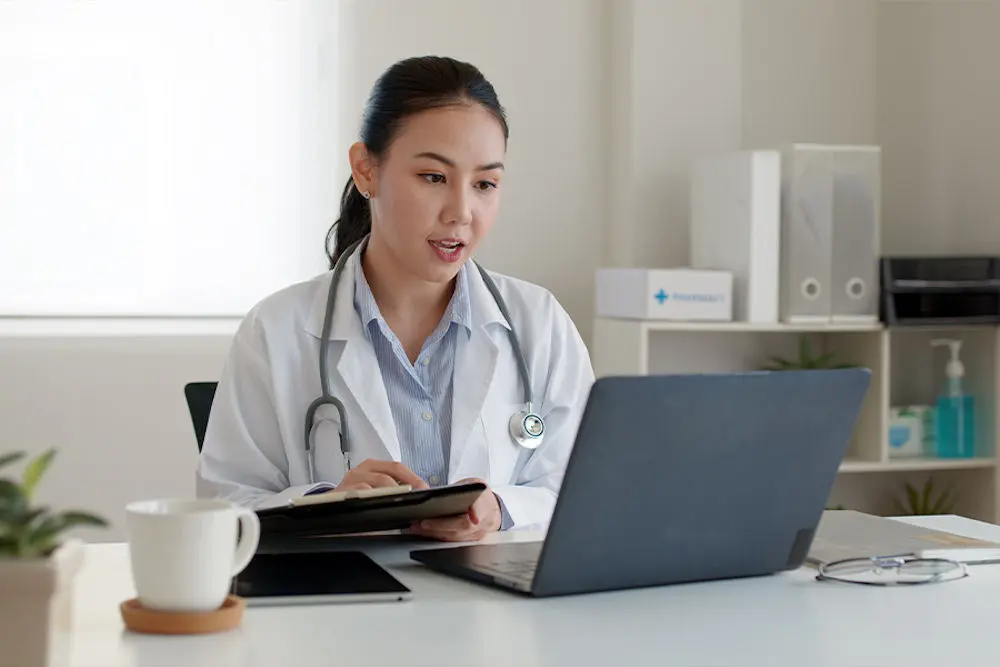
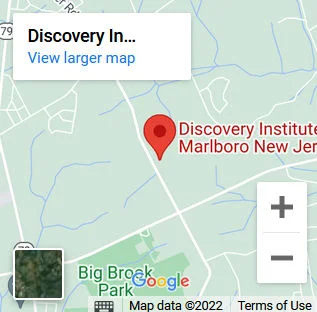
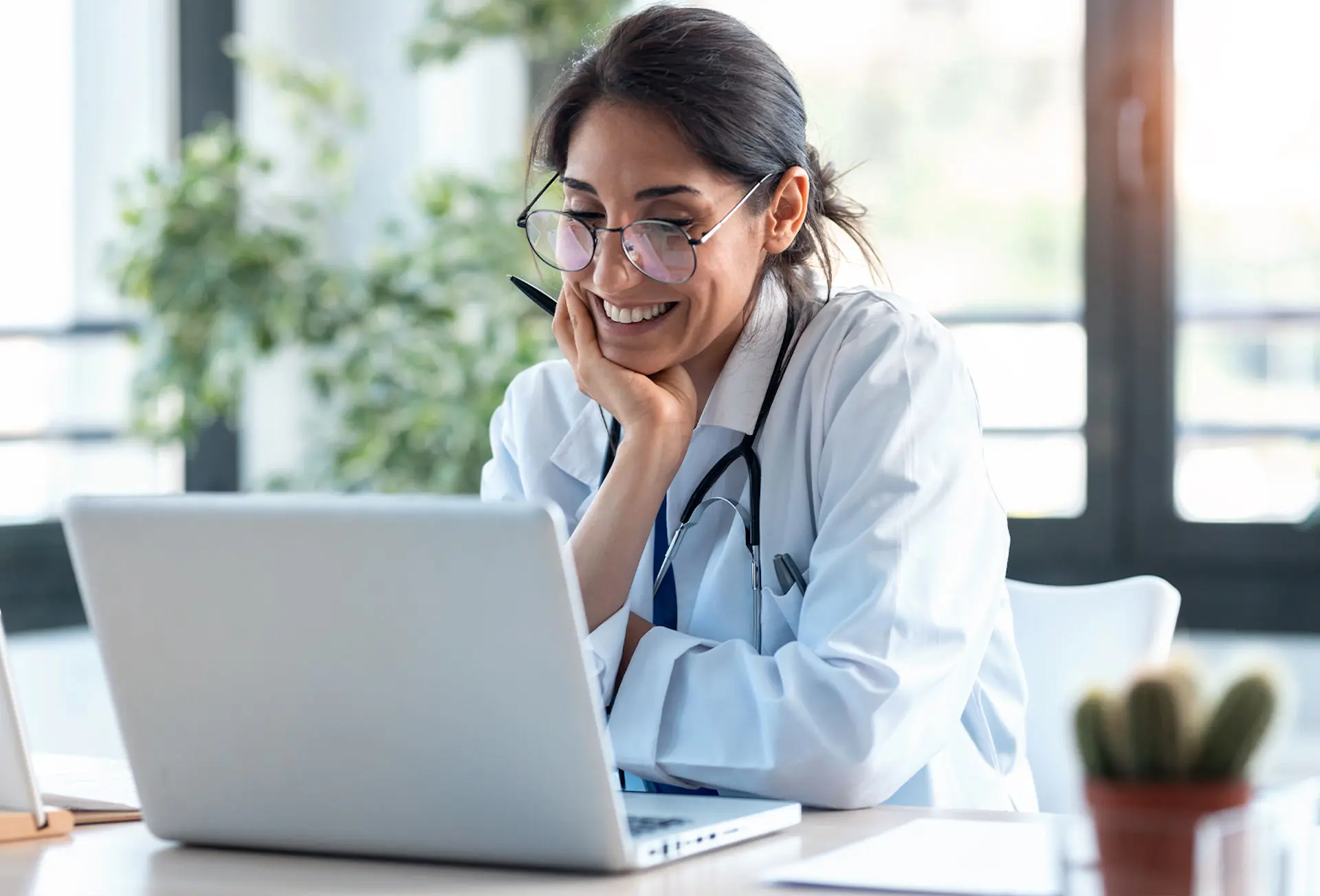
Telehealth opioid treatment is another crucial tool in making treatment more accessible. Virtual appointments allow patients to connect with healthcare providers without the challenges of transportation or stigma associated with in-person visits. Discovery Institute in Marlboro, New Jersey provides both mobile medication services and telehealth opioid treatment, ensuring that more individuals have access to compassionate, evidence-based care that supports their recovery journey.
Understanding the Issue: Expanding Access to Opioid Use Disorder Treatment
New Jersey, like much of the United States, is facing a devastating opioid crisis. Overdose rates continue to rise, and many individuals struggling with opioid use disorder (OUD) lack access to treatment. Traditional healthcare settings often fail to reach those who need help the most. Mobile medication services offer a practical, effective solution by bringing treatment directly to communities affected by opioid use disorder.
Hard-to-reach populations—such as individuals experiencing homelessness, those with mental health conditions, or people without reliable transportation—are less likely to seek traditional healthcare services. Many also face stigma and distrust in medical institutions, further discouraging them from getting help. Mobile units break down these barriers by meeting individuals where they are and offering treatment in a safe, non-judgmental environment.
Mobile medication vans do more than provide medication—they act as a gateway to recovery. Delivering essential healthcare, social services, and harm reduction resources, these services help individuals take the first step toward long-term stability. With expanded mobile services in New Jersey, more people can access the treatment they need, when and where they need it most.