Heroin Rehab in New Jersey
If you or someone you love is struggling with heroin use, it can be hard to know what kind of treatment is needed and what to do first. You may be wondering whether detox is enough, whether rehab is necessary, or whether recovery is still possible after past attempts to stop. At Discovery Institute, we understand how overwhelming this moment can feel. Heroin addiction is a medical condition that affects the brain, body, and daily life – and with the right care, recovery is possible.
Our heroin rehab program in New Jersey is designed for people who need a structured, supportive environment where they can begin healing physically, emotionally, and mentally. For many clients, care begins with heroin detox in New Jersey and continues into our residential treatment program, where they can focus on recovery with 24/7 support, therapy, and individualized planning.
Whether you are looking for help for yourself or searching on behalf of a loved one, understanding your options is an important first step. This page explains what heroin rehab may include, how long treatment may last, whether insurance may help cover care, and what makes Discovery Institute a trusted option for heroin addiction treatment in NJ.
Understanding Heroin Addiction
Heroin addiction can affect every part of a person’s life, from physical health and emotional well-being to work, finances, relationships, and safety. Because heroin is a powerful opioid, repeated use changes how the brain responds to pain, stress, and reward. Over time, many people find that they are no longer using heroin to feel high – they are using it to avoid withdrawal and feel well enough to function.
That cycle can be very difficult to break without professional treatment. Even when someone genuinely wants to stop, cravings, withdrawal symptoms, and emotional distress can quickly pull them back into use. This is one reason inpatient heroin rehab in NJ can be so valuable. It gives clients a safe, structured place to recover while addressing the deeper causes and patterns behind substance use.
Signs and Symptoms of Heroin Addiction
Heroin addiction may develop gradually or escalate quickly, and the signs can vary from person to person. Loved ones often notice changes before the person using heroin is ready to acknowledge that a problem exists.
Some common signs and symptoms of heroin addiction include:
- Strong cravings for heroin or other opioids
- Using more than intended or being unable to stop
- Withdrawal symptoms when heroin use is reduced or stopped
- Extreme drowsiness or “nodding off”
- Changes in mood, motivation, or daily functioning
- Isolation from family and friends
- Risky behavior, secrecy, or financial problems related to drug use
- Track marks, frequent illness, or noticeable physical decline
If you are unsure whether what you are seeing points to addiction, learning more about the signs of heroin addiction can help you better understand when it may be time to seek professional treatment.
The Dangers of Heroin Use
Heroin use carries serious short-term and long-term risks. Overdose is one of the most urgent dangers, especially because people often do not know the purity or true contents of the substance they are using. Respiratory depression, unconsciousness, infections, collapsed veins, and damage to physical and mental health can all occur.
Today, one of the greatest risks is fentanyl contamination. Much of the heroin supply is mixed with or replaced by fentanyl, a synthetic opioid that is far more potent than heroin. This means a person may believe they are using heroin but may actually be exposed to fentanyl or a dangerous combination of substances.
That reality makes professional care even more important. When fentanyl exposure is known or suspected, people may need closer medical supervision and more specialized withdrawal management. In some cases, care may involve support related to fentanyl detox as part of a broader opioid treatment plan.
Do You Need Heroin Detox Before Rehab?
For many people, the answer is yes. Detox and rehab are not the same thing, and both can play an important role in recovery. Detox focuses on helping the body safely manage withdrawal after heroin use stops. Rehab focuses on what comes after detox: therapy, stabilization, coping skills, relapse prevention, and planning for long-term recovery.
Trying to enter therapy while actively going through heroin withdrawal can be extremely difficult. Physical discomfort, sleep disruption, cravings, anxiety, and emotional instability can make it hard to focus on treatment. Beginning with heroin detox in New Jersey can help clients become medically stable enough to engage in rehab more effectively.
At Discovery Institute, we help clients and families understand the right place to start. Some people are ready for residential treatment after detox. Others may need additional medical support before moving into the next phase of care. The goal is not to force everyone into the same path, but to recommend the level of care that best supports lasting recovery.
Call Discovery Institute at (844) 433-1101 – same-day admissions available.
What Our Heroin Rehab Program Includes
A strong heroin treatment center in NJ should offer more than temporary separation from drug use. Effective rehab helps people understand their addiction, build healthier routines, address mental and emotional challenges, and prepare for life after structured care.
At Discovery Institute, heroin rehab is built around individualized treatment. Every client comes in with a different history, different needs, and different goals. Treatment should reflect that.
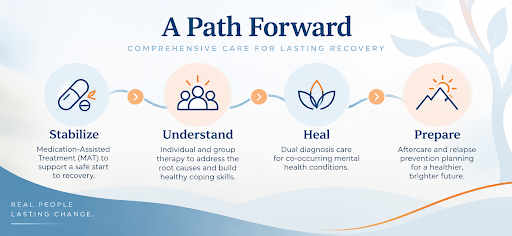
Medication-Assisted Treatment (MAT) – Suboxone, Methadone
Medication-assisted treatment can be an important part of heroin addiction treatment in NJ for some individuals. MAT combines evidence-based medications with counseling and behavioral support. For opioid use disorders, medications such as Suboxone or Methadone may help reduce cravings, ease withdrawal-related symptoms, and support treatment engagement.
For many families, MAT raises questions. Some worry that using medication means the person is not truly in recovery. In reality, when MAT is prescribed and monitored appropriately, it can be a highly effective tool in opioid treatment. It helps many people stabilize enough to participate fully in therapy and lower their immediate risk of relapse or overdose.
The goal of MAT is not simply to stop discomfort. It is to create a stronger foundation for recovery so that clients can focus on healing, skill-building, and long-term change.
Individual and Group Therapy
Therapy is a central part of heroin rehab because addiction affects far more than physical dependence. Many people use heroin while also struggling with grief, trauma, stress, depression, anxiety, or deeply ingrained patterns of coping. Once withdrawal is addressed, therapy helps clients begin working through those issues in a structured and supportive setting.
Individual therapy offers private space to explore personal history, triggers, goals, and barriers to recovery. Group therapy gives clients the opportunity to connect with peers, practice communication, build accountability, and recognize that they are not alone.
Together, these therapies can help clients better understand the roots of substance use, identify relapse warning signs, and begin building healthier responses to stress and emotional pain.
Dual Diagnosis Care
Heroin addiction often exists alongside mental health concerns. Some clients enter treatment with depression, anxiety, trauma-related symptoms, or other co-occurring disorders. Others may not realize how much their mental health has been affected until they begin treatment.
Dual diagnosis care is important because treating heroin use without addressing mental health can leave major relapse triggers unresolved. When both conditions are treated together, clients often have a stronger chance of making meaningful, lasting progress.
At Discovery Institute, treatment planning takes the full picture into account. We look at substance use, emotional health, treatment history, current functioning, and ongoing support needs so that care is more complete and more realistic.
Aftercare and Relapse Prevention
Recovery does not end when residential treatment ends. Early recovery can be one of the most vulnerable periods for relapse, especially if someone leaves treatment without a clear plan. That is why aftercare and continuing support matter.
Before discharge, clients should have guidance around next steps, support systems, coping strategies, and continued treatment recommendations. At Discovery Institute, recovery planning includes preparation for life after rehab and connection to resources such as a relapse prevention program when appropriate.
The goal is to help each client leave treatment with more than motivation alone. They should leave with structure, support, and a realistic plan for maintaining progress.
Ready to start?
How Long Does Heroin Rehab Take?
The length of heroin rehab depends on the individual. There is no fixed timeline that works for everyone. Some people need more time because of long-term opioid use, repeated relapse, co-occurring mental health needs, or complications related to fentanyl exposure. Others may stabilize more quickly and transition to another level of care sooner.
The right length of treatment is the one that gives the person enough time to become physically stable, engage meaningfully in therapy, and prepare for the next stage of recovery. Leaving too early can increase the risk of relapse, especially if the person has not yet built the skills and support needed for life outside treatment.
If you call Discovery Institute, our team can help you better understand what treatment may look like based on your situation and what level of care may be the right fit.
Does Insurance Cover Heroin Rehab in NJ?
Insurance may cover some or all of the cost of heroin rehab, depending on the plan, benefits, medical necessity requirements, and whether the program is in-network or out-of-network. Coverage can vary widely, which is why verifying benefits is an important first step.
Many people delay treatment because they assume rehab will be too expensive. In reality, insurance can significantly reduce out-of-pocket costs in many cases. Even if you are unsure what your plan includes, speaking with admissions can help clarify your options.
At Discovery Institute, we can help you understand potential coverage and what the admissions process may involve. A quick conversation can often answer the most urgent questions and help families move forward with more confidence.
Why Choose Discovery Institute?
Choosing a heroin treatment center in NJ is a deeply personal decision. Families want to know not only what services are offered, but whether the program feels trustworthy, compassionate, and prepared to help with the realities of opioid addiction.
Discovery Institute offers a structured, supportive environment where clients can begin rebuilding their lives with professional guidance. Our approach emphasizes individualized treatment, empathy, and realistic recovery planning. We understand that people entering heroin rehab may feel physically drained, emotionally overwhelmed, ashamed, or unsure whether treatment can work. Families may feel frightened, frustrated, or exhausted. Both deserve clear answers and compassionate support.
People choose Discovery Institute because we offer:
- A structured residential setting focused on stability and recovery
- Evidence-based support for opioid addiction treatment
- MAT-informed care when clinically appropriate
- Individual and group therapy
- Dual diagnosis support for co-occurring mental health needs
- Aftercare planning and ongoing recovery guidance
- A longstanding commitment to addiction treatment in New Jersey
If you are comparing heroin rehab New Jersey options, the right next step may be a simple conversation. Treatment decisions can feel less overwhelming when you have clear information and support from people who understand what you are facing.
Frequently Asked Questions
The cost of rehab in New Jersey depends on the level of care, length of stay, medical needs, and insurance coverage. Residential care is typically more comprehensive than outpatient treatment, which can affect pricing. The best way to get an accurate estimate is to verify insurance and speak directly with admissions.
Many people pay for rehab through private health insurance, self-pay, or a combination of both. Depending on the plan, insurance may cover a substantial portion of treatment costs. It is always worth checking benefits before assuming treatment will be unaffordable.
There is no single answer for everyone. Some people stay in rehab for a shorter period before stepping down to another level of care, while others benefit from a longer stay based on relapse history, clinical needs, and overall progress. Treatment length should be based on what gives the person the best chance at sustained recovery.
Take the first step. Call (844) 433-1101 or verify your insurance now.