Unfortunately, the majority of individuals who seek help for their addictions will end up relapsing. For the majority of people who have been in recovery for years, it has taken numerous attempts to quit and go to treatment to establish successful recovery. Being aware of the reasons why addiction relapse affects so many in early recovery is helpful to those who want to decide to make a commitment to a life of recovery. If those who are willing to seek addiction identify how they can be successful in recovery, their chance of long-term recovery will be much greater.
Addiction and Alcoholism Relapse Statistics
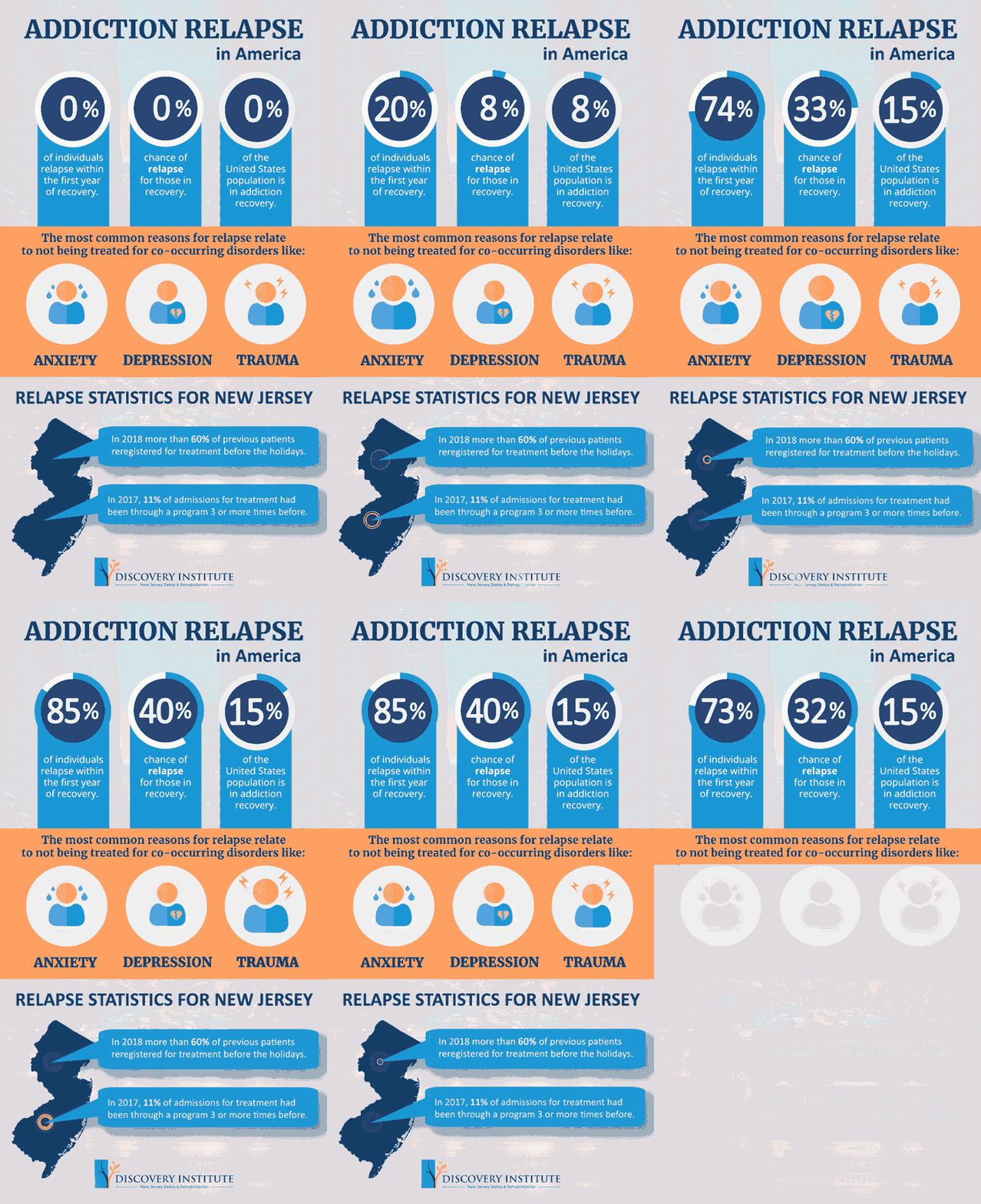
Only 1 out of 5 people that seek help through treatment will stay sober their first year in recovery. As time goes on, the chance for addiction relapse lessens, but those who are in recovery a full two years still have a 40% chance of relapsing. Most addiction specialists claim that five years sober is the magic number, and those who reach this amount of time in recovery will be the least likely to relapse. These numbers can seem daunting, but with the proper knowledge and commitment, addiction treatment can be successful.
Relapse Statistics for New Jersey
Relapse statistics in New Jersey are known to be high. In 2018, the Center for Network Therapy in West Orange, NJ, reported that more than 60% of previous patients registered for rehab before the holidays, up from 25% in 2017. That’s an increase of more than 150%.
This spike in readmission rates shows just how common relapse is in the first year of recovery.
Causes of Relapse in Early Recovery
Maintaining sobriety is no easy feat. It takes constant dedication and support from friends and family to make sure you don’t relapse. When you are in the first few months and years of recovery, you’re at your most vulnerable. This is why relapse statistics are higher in early recovery.
The following are some common causes of relapse in early recovery. Triggers, which we’ll explain more later in this blog, are also typical causes of relapse.
Not Seeking Additional Help After Rehab
Aftercare is a critical part of addiction treatment. Although medical detox can get rid of the physical dependence on drugs or alcohol, aftercare is crucial in helping change the way you think about using substances. Another problem is that patients are not required to finish their treatment program; they can leave at any time. As a result, many recovering addicts don’t get the help they need. Programs like 12-step support groups, group therapy and motivational interviewing can help patients maintain sobriety and make them less likely to relapse.
Attending aftercare is the easiest way to prevent relapse. Make sure you have resources around you, like people and places, that can provide you with the tools you need to stay sober.
Overconfidence
Now that you’ve completed rehab, you might think you’re in control and that your addiction is gone for good. However, recovery is a lifelong journey. Being overconfident after treatment can be extremely dangerous. You still need to know your boundaries and make sure you’re staying in control of your actions. You must stay humble once you recover from addiction, and remember that it once had power over you.
Stress
Stress can be enough to drive anyone to do something rash. Dealing with the pressures of a new job or financial troubles can be difficult and frustrating. Most people recovering from addiction will want to turn to substances to relieve their stress, but this is a bad decision. Instead of reaching for a beer, try meditating, going for a walk, or talking to a friend or trusted confidant.
Depression
Depression is a common contributor to relapse. When you lose interest in a hobby or you lose a loved one, you might feel the need to have a drink or do drugs to cope. This is why it’s important to manage any depressive symptoms you have by seeing a doctor so that you don’t relapse.
Denial
You’ve most likely seen movies or TV shows in which characters sit in their 12-step programs and are informed that they’ve been through the hardest part of treatment: admitting addiction. This may seem cheesy, but it’s true. Denial is the main cause of unsuccessful addiction recovery. Many individuals that have suffered from addiction will find themselves in a tough spot because of their problem. They either are no longer being supported by loved ones, have lost their jobs, or are in legal trouble when they realize that maybe they wouldn’t be stuck between a rock and a hard place if it weren’t for drugs or alcohol addiction.
Many times this willingness to stop using passes as time does, and addicted individuals will start to rationalize their addiction even while they are in treatment. They may be willing to stop using their drug of choice to get out of a tough situation, but when that rough time passes, they relapse. If an individual is willing to get help through treatment, they must also be willing to let go of their addiction denial.
The Addiction Myth: Rock Bottom
It is often said that an addicted individual must first hit “rock bottom” before they can truly recover from drug or alcohol addiction. The idea is that a person loses as much as they can stand to addiction before they finally turn to recovery. For some, hitting rock bottom means the loss of a loved one to addiction. For others, rock bottom means they simply don’t like the way drugs make them feel any longer. Whatever the case, there is no clear cut path to an individual hitting rock bottom because it is a completely subjective term.
The term spawned in addiction treatment to help allow families to understand how enabling works. If a mother with an addicted son keeps helping him bail out of jail, he will never feel that he loses anything from addiction. If an addiction counselor tells the mother that she needs to let her son hit rock bottom if she wants him to decide to get help, she is less likely to bail her son out again and he is more likely to experience the consequences of his addiction.
Ultimately, whether an individual in recovery claims to have hit rock bottom or not, treatment will not be successful until that individual realizes that it is the only way to attain complete well-being.
The Three Stages of Relapse
Contrary to popular belief, relapse isn’t simply one event. It’s a three-part process that starts in the mind and gradually leads to the physical act of relapse. It’s important to note the three stages of relapse during early recovery and keep them in mind when you’re thinking about using again.
Emotional Relapse
The first stage of relapse happens before an addict really considers abusing harmful substances again. Anxiety, moodiness and anger are common feelings during this time, and they’re most likely experiencing a lack of a support system.
Signs of emotional relapse include:
- Anger
- Anxiety
- Depression
- Mood swings
- Loss of interest in activities you used to enjoy
- Poor eating and sleeping habits
Mental Relapse
This stage happens once the feelings of emotional relapse have set in. At this point, the user is having conflicting thoughts about substance abuse, even though he or she wants to continue with recovery. Mental relapse is hard to come back from, so having a relapse prevention plan in place is helpful in avoiding physical relapse.
Signs of mental relapse include:
- Thinking about using
- Glorifying your past substance abuse
- Spending time with people with whom you used drugs
To prevent using at this time, try waiting 30 minutes and think about what would happen if you used again. The last time you abused substances, they got you into a dark place.
Physical Relapse
The final stage of relapse is the physical act of drinking or doing drugs. Once you’re here, it can be hard to turn back. Relapsing can lead to an even worse addiction or even death.
You need to take your sobriety one day at a time instead of thinking about every single day. Thinking about your whole life can be intimidating.
Developing a Relapse Prevention Plan
Relapse can happen easily, but don’t be discouraged. If you develop a relapse prevention plan while you’re still sober, you can decrease your chances of using again. A plan can help you observe your behaviors and learn your triggers so that you can prevent a future relapse.
Here are steps you can take to develop a relapse prevention plan. Enlist your friends and family as well if you can.
- Review your history of substance abuse. Ask yourself some questions that will help you prevent relapse: Why did you relapse before? What thought patterns led you to use again? Was there a specific time when you were prone to drink or do drugs?
- Figure out scenarios that could lead to relapse. Jot down a list of warning signs that can give you insight into your relapse.
- Determine an action plan. Figure out what to do if you’re in a situation that could trigger relapse. For example, if you have a breakup and it could lead you to use, think of alternative ways to cope with your grief. These could include calling a close friend or family member or attending a support group meeting. Figure out exactly who you’ll talk to during this time.
In your relapse prevention plan, you should include preventative tools, aftercare programs, support groups, triggers, lifestyle changes and how to manage cravings.
Relapse Prevention at Discovery Institute
Discovery Institute offers a comprehensive relapse prevention program for people in recovery. We can tailor this plan to your needs so that you can have the best chance at long-term sobriety. Don’t think of relapse as a failure. It’s just an obstacle on your journey to recovery.
Our drug addiction and alcoholism relapse prevention program can help you successfully recover from substance abuse. If more people prevent relapse before it happens, they can help lower alcoholism relapse rates.
Some of the programs we use in relapse prevention include:
- Coping skills development
- Individual therapy
- Recovery support groups
- Group therapy
Make Recovery a Priority
If you have experienced negative consequences because of the use of drugs or alcohol, you may have an addiction. Being in denial will only further you down the spiral of addiction. You don’t have to wait until you’ve lost everything and hit rock bottom. You can decide today that you will no longer allow addiction to control your life.
Help is available and successful if you are ready to take on the challenge. Don’t worry; the experts at Discovery Institute are here for you! If you would like to know more about our facility and treatment programs, please visit our website. If you would like to speak with a treatment specialist, don’t hesitate to contact us.