
What Is Marijuana?
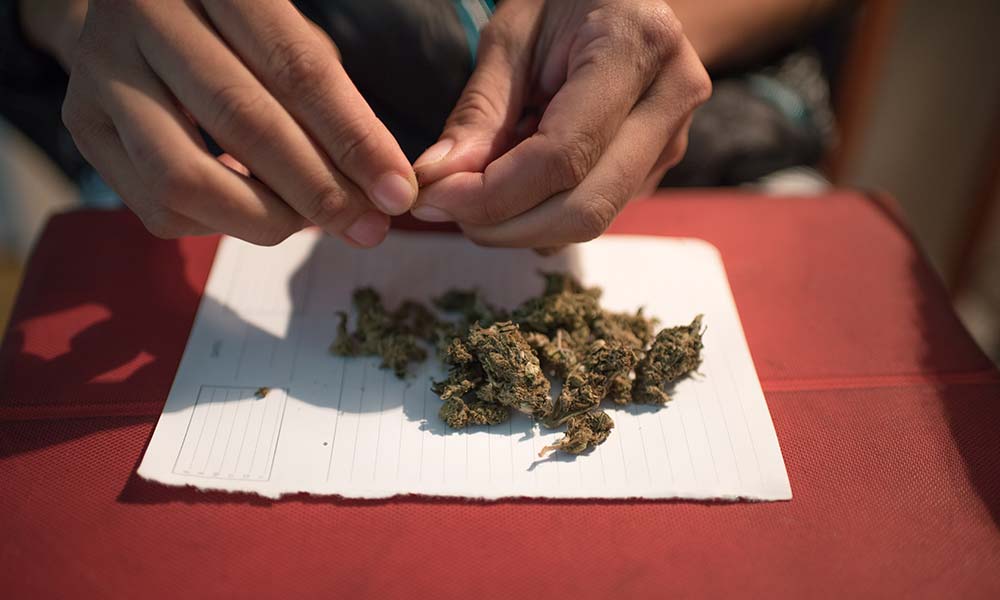
Marijuana, also commonly referred to as cannabis, weed, or pot, refers to the dried flowers, leaves, and stems of either the Cannabis sativa or Cannabis indica plant. Its primary psychoactive compound is tetrahydrocannabinol or THC, which acts on cannabinoid receptors in the brain to produce the drug’s characteristic effects of relaxation, altered perception of time, euphoria, increased appetite, and, in some users, anxiety and paranoia.[2]
The substance can be consumed in a variety of ways, including smoking, vaping, eating as edibles, or taken as a concentrated oil, extract, or other consumable products. The potency of available cannabis has significantly increased over the last few decades; THC concentrations in average seized cannabis samples have increased from about 4% in the late 1990s to greater than 12% currently, with some concentrates containing above 80%.[3] With this dramatic increase in potency comes an equally dramatic increase in addiction risk, tolerance, and withdrawal symptoms. Today’s marijuana is a vastly different product than what formed the general public’s view of its safety years ago.
Marijuana Addiction and Abuse
Marijuana addiction and abuse occur when the brain adapts to having THC’s regular presence, causing both physical and psychological dependence and leading the user to experience difficulties when trying to stop or reduce use. While not all marijuana users will develop a use disorder, those who use marijuana frequently, use high-potency cannabis products, started using it during adolescence, and people with pre-existing mental health conditions are at higher risk of dependence.[4]
Regularly using marijuana alters the brain’s reward and motivation system. Long-term marijuana use often leads chronic users to experience a gradual loss of motivation, interest, and ability to experience pleasure and emotion.[5]
Activities that were once enjoyable may seem less exciting without marijuana, and eventually, marijuana loses its original effects. The user then needs to consume the drug just to maintain normal functioning, which is the hallmark of a cannabis use disorder.
Signs of Marijuana Use
Marijuana use can manifest in various ways, based on each individual user.
Some common indicators of marijuana abuse include:
- Using marijuana more frequently or in greater quantities than originally planned
- Being unable to reduce or stop use despite best efforts
- Spending excessive amounts of time acquiring, using, or recovering from marijuana
- Continuing to use despite negative impacts on mental health, motivation, and relationships
- Giving up other important responsibilities and interests for the purpose of marijuana use
- Needing increasingly higher doses to obtain the same effects
- Experiencing withdrawal symptoms when stopping or reducing consumption
The Long-Term Effects of Heavy Marijuana Use
Long-term marijuana use causes serious risks to physical and mental health. Understanding these effects can help explain why seeking a treatment center for addiction to marijuana is sometimes urgently needed and not simply a matter of willpower.
Impaired Memory and Cognitive Function — Research shows chronic marijuana use impairs memory and reduces cognitive function, especially when use starts during adolescence, the time frame when the brain is still developing, and THC exposure can cause the most damage.[6] Chronic marijuana use has been shown to result in lower academic achievement, decreased IQ scores, and an increased chance of psychotic episodes among those with genetic predispositions.[7]
Mental Health Concerns — Mental health is another major area of concern. Research shows heavy marijuana users are at an increased risk of anxiety, depression, and in rare cases, cannabis-induced psychosis, a condition where the user experiences extreme paranoia, hallucinations, and confused thinking that usually resolves once they abstain, though it can sometimes continue.[8] This relationship between cannabis and mental health is one of the most important factors to address in a comprehensive marijuana addiction treatment plan.
Respiratory Problems — Smoking large amounts of marijuana over long periods of time has the same negative effects on the lungs as smoking cigarettes. These negative effects can include chronic bronchitis, a higher incidence of respiratory infections, and impaired lung capacity.[9] Cannabinoid hyperemesis syndrome, a cycle of severe nausea and vomiting caused by cannabis use, is becoming more prevalent in users as potency increases.[10]
Marijuana Withdrawal
Many users downplay marijuana withdrawal as less severe than withdrawals of substances like alcohol or benzodiazepines. And while it is not typically life-threatening like those substances are, for someone with a severe marijuana addiction, withdrawal is a very unpleasant experience that drives many into relapse within the first few weeks after discontinuing use.
Withdrawal symptoms for marijuana users include:
- Irritability, anger, and agitation
- Anxiety and restless feelings
- Insomnia and vivid or unsettling dreams
- Decreased hunger and weight loss
- Intense cravings for marijuana
- Depression and lack of interest in activities
- Headaches and physical discomfort
Withdrawal symptoms generally start to appear 1 to 3 days after last use, reach their highest point approximately 2 to 6 days post-use, and generally subside completely within 2 to 14 days.[11] However, for heavy users, sleep disruptions and changes in mood can continue for extended periods.
There are no medications approved by the FDA for treating marijuana withdrawal, but clinical assistance can help alleviate withdrawal symptoms, greatly reducing the likelihood of relapse for the duration of the acute phase.
Marijuana Addiction Treatment at Discovery Institute
Effective marijuana rehabilitation involves combining proven behavioral therapy and a supportive treatment program developed around the needs of each client. The best type of care for each client depends on the degree of their cannabis use disorder, whether they have co-occurring disorders, and how their life circumstances affect their ability to access services.
Cognitive-behavioral therapy (CBT) is a well-researched form of treatment for marijuana use disorder. CBT helps clients discover triggers to marijuana use, thoughts, emotions, and situations, provides them with tools to manage stress and cravings, and helps develop a realistic relapse prevention strategy for continued recovery.
Many people seeking marijuana rehabilitation are also managing co-occurring mental health disorders that contributed to their cannabis use. A dual diagnosis approach that treats both the cannabis use disorder and the co-occurring mental health disorder simultaneously produces much greater success than treating one independently.