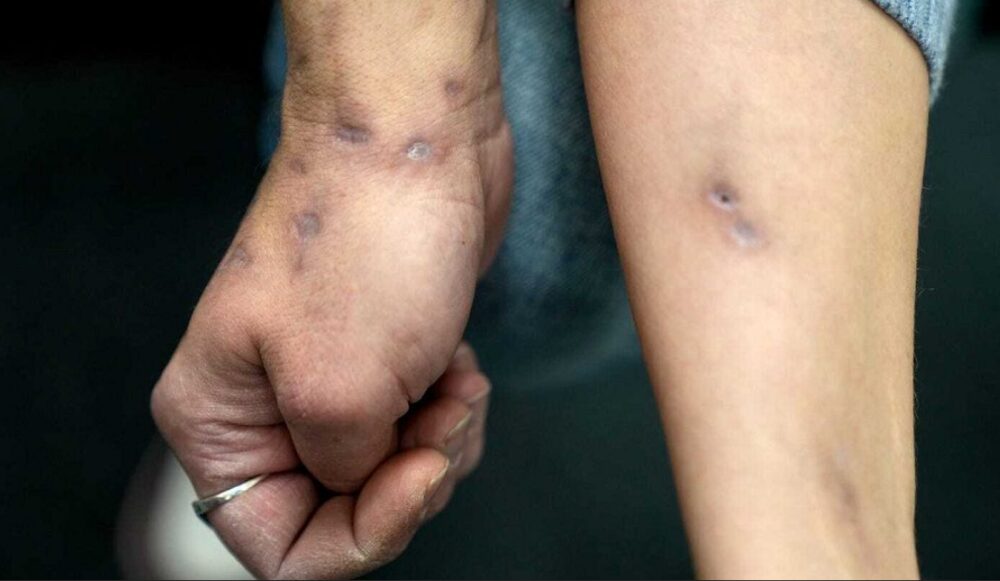
The animal tranquilizer xylazine is increasingly prevalent in the illegal opioid market across the country, resulting in significant injuries among individuals who use drugs. Research has revealed that a substantial majority had suffered from xylazine-related wounds. Despite the growing need for comprehensive and accessible wound care, the availability of such services remains insufficient to meet the demand. Consequently, these injuries frequently lead to severe complications, including infections, or develop into chronic, non-healing wounds that may require amputation.
Studies indicated that individuals who inject drugs and have xylazine wounds are 10 times more likely to engage in subcutaneous injection. Approximately 74% reported experiencing stigma in healthcare settings when seeking wound care, while over half (58%) indicated that they received inadequate management of pain and withdrawal symptoms.
Patients with xylazine wounds often lack access to low-barrier wound care services that could address their substance use issues. When healthcare systems fail to adapt to the rapidly evolving drug landscape, individuals with xylazine wounds are left to manage their treatment.
Effective wound healing necessitates specialized and consistent care, which is not readily available to those who use drugs. Previous research has shown that the majority of addiction care providers across the nation are not sufficiently trained to deliver appropriate wound care treatment and often rely on referrals to external specialists.
Therefore, it’s necessary to explore the alarming rise of xylazine misuse, its connection to severe open wounds, and the critical need for professional addiction treatment. At Discovery Institute in Marlboro, New Jersey, our comprehensive substance abuse programs such as medical detox, residential treatment, and holistic therapy, can help individuals recover from opioid abuse, and other substances while addressing the physical and emotional toll it has on people’s lives.