Depressive disorders, including major depression, are among the most prevalent mental health issues in the United States today, affecting at least 40 million adults aged 18 and up.
In 2020 alone, an estimated 14.8 million adults in the U.S. aged 18 or older are known to have at least one major depressive episode with severe impairment. This number necessarily includes depression after drug addiction and post-alcohol depression, a phenomenon that is becoming quite common.
At Discovery Institute in Marlboro, New Jersey, our team of addiction specialists provide comprehensive treatments and care for people with mental illnesses such as depression, and addictions, such as alcoholism. Post-alcohol depression fits into our continuum of care.
How is Depression and Alcohol Abuse Connected?

A popular belief for many is that alcohol helps people “drown their sorrows.” While that may be true at the moment, overall, this is a myth that needs to be debunked. Drinking copious amounts of alcohol does not help a person forget whatever is making them depressed.
Truth be told, many studies suggest alcohol exacerbates symptoms of mental health issues a person could have, including depression and anxiety disorders. There is a true connection between alcohol addiction and depression. Alcohol affects the central nervous system directly, and over time, the side effects have proven to be life-threatening.
This is mainly because alcohol is a depressant, and as such, it affects how a person feels, thinks, and acts. This is because of the effect that alcohol has on the brain, which can contribute to or worsen feelings of anxiety and sadness.
Relevant to thinking, alcohol slows a person’s cognitive abilities enough for the person to forget whatever weighs heavily on their mind. This, however, is temporary, as whatever the issue may still be lingering and build up as time goes on, sober or not.
Addiction treatment specialists see the matter differently, saying that the relationship between alcohol and depression is best described as a vicious cycle. Many people supposedly drink to deal with depression, as they see it as a form of self-medication.
While this might be true to a certain extent since alcohol consumption could impair short-term memory, the depressant effects of alcohol could also trigger a state similar to depression, or other mood disorders.
When a person who has been binge drinking for a long period of time stops drinking, the body reacts. Symptoms of mental illness and withdrawal caused as a result of not drinking are exacerbated, making post-alcohol depression difficult to overcome without professional help.
What Causes Post-Alcohol Depression?
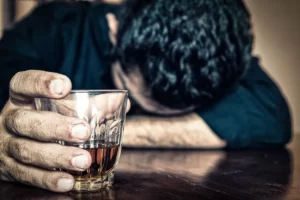 A person may feel depressed after drinking for several reasons, from poor sleep to an underlying mental health condition. The question is, why does someone feel so depressed after drinking alcohol?
The sad reality of recovery is that even when someone appears to have achieved sobriety, the threat of a relapse is still very real, and perhaps all the more so. This is because many who have successfully kicked their drug or alcohol habit will have to contend with the emotional and psychological turmoil that comes with not being able to take substances anymore. This is best exemplified by the persistent depression felt by most people who are in recovery.
There are quite many reasons why people experience post-alcohol depression after they stop consuming alcohol. The overwhelming feeling of depression and anxiety after drinking is more common than you think and here’s why: