Verify InsuranceGet Directions
Get Help Now (732) 333-3167
Discovery Institute
  • Detox
    • Alcohol Detox
    • Amphetamine Detox
    • Benzodiazepine Detox
    • Cocaine Detox
    • Drug Detox
    • Medical Detox
    • Opiate Detox
    • Prescription Drug Detox
    • Meth Detox
    • Fentanyl Detox
    • Heroin Detox
  • Residential Treatment
    • Rehab
    • Treatment for Young Adults
    • Treatment for Adults
    • Treatment for Seniors
  • Programs
    • Intensive Outpatient Program
    • Addiction Counseling
      • Individual Therapy
      • Group Therapy
      • Cognitive Behavioral Therapy
      • Dialectical Behavior Therapy
      • Equine Therapy
      • Family Therapy
    • Dual Diagnosis
      • ADHD and Addiction
      • Anxiety and Addiction
      • Bipolar Disorder and Addiction
      • Depression and Addiction
      • Eating Disorders and Addiction
      • OCD and Addiction
      • PTSD and addiction
      • Personality Disorders and Addiction
    • Holistic Addiction Treatment
    • Relapse Prevention
    • Telehealth Treatments
    • Treatment Planning
    • Vocational Services
    • Alumni Program
  • Resources
    • Blog
    • Family Support
    • Addiction Guides
      • Am I an Addict?
      • Addiction & Health Problems
      • The Stages of Addiction
      • Guide for Parents of Addicts
      • Guide for Spouses of Addicts
      • Guide for the Children of Addicts
      • Understanding Overdose
      • Going Through Withdrawal
    • Insurance Coverage
      • Verify Your Insurance
      • Aetna Insurance
      • Blue Cross Blue Shield
      • Emblemhealth Insurance
      • Prosper
      • Tricare Insurance
      • Humana Insurance
      • Oxford Healthcare
      • United Healthcare
      • MHC for Treatment
      • 1199 Insurance
      • Princeton Health/MedPro Health Insurance
      • Horizon NJ Insurance
      • New York Hotel Trade Insurance
      • NY State Empire Plan Insurance
      • Empire Bluecross Blueshield
      • Iron Workers Local #40 Insurance
      • Qualcare
      • Beacon Health Options
      • Magnacare
      • Magellan
      • Amerihealth
      • Anthem Bluecross Blueshield
    • Interventions
    • Overdose Response Initiative
      • Naloxone Finder
      • Distribution
      • Overdose Resources
    • Sober Living
    • FAQ’s
    • Helpful Links
  • About
    • Our Purpose
    • Our Team
    • Our Facility
    • Our Technology
    • Our Research
    • Our Editorial Policy
  • Contact
    • Admissions
    • Directions
    • Referral
    • Careers
Mental Health
Home / Blog / Pessimism vs. Optimism: How Mindset Impacts Your Mental Health

Pessimism vs. Optimism: How Mindset Impacts Your Mental Health

Written by

Dr. Michael DeShields

Posted On: May 7, 2024
Pessimism vs. Optimism: How Mindset Impacts Your Mental Health

Jump to Section

Toggle
    • Table of Contents
  • Pessimism vs Optimism and Realism
  • Can Pessimism Be Good?
  • A Note on Changing Your Mindset: Tips
  • How the Pessimism Bias Can Impact Anxiety and Depression
  • Importance of Mental Health Awareness
  • Discover Cultivating Mental Well-being at Discovery Institute

Table of Contents

  • Pessimism vs Optimism and Realism
  • Can Pessimism Be Good?
  • A Note on Changing Your Mindset: Tips
  • How the Pessimism Bias Can Impact Anxiety and Depression
  • Importance of Mental Health Awareness
  • Discover Cultivating Mental Well-being at Discovery Institute

You know how you’re always told to look on the bright side and see the glass as half full? Well, what if that sunny, optimistic perspective doesn’t come naturally to you? There’s nothing wrong with leaning toward the pessimistic side of the spectrum. It’s a completely valid mindset, and you shouldn’t feel pressured to change it if it works for you. But if your pessimism is weighing you down and negatively impacting your mental health, there are ways to cultivate a healthier, more realistic outlook without abandoning your tendency to prepare for the worst.

This month, as we honor Mental Health Awareness, let’s dive into the world of pessimism vs optimism and how it affects us, along with some tips for striking a balance between these perspectives that leave us feeling mentally stronger. The aim isn’t to suddenly become a perpetually sunny optimist; rather, it’s about finding a perspective that helps us cope with life’s challenges while still recognizing the good around us.

And let’s not forget the importance of self-care on this journey. Self-care means different things to different people, but it’s all about taking time for ourselves to recharge and nurture our mental well-being. Whether it’s practicing mindfulness, indulging in hobbies we love, setting healthy boundaries, or simply reaching out for support when we need it, self-care plays a crucial role in helping us maintain balance and resilience in our lives. So let’s make self-care a priority and give ourselves the care and attention we deserve.

Pessimism vs Optimism and Realism
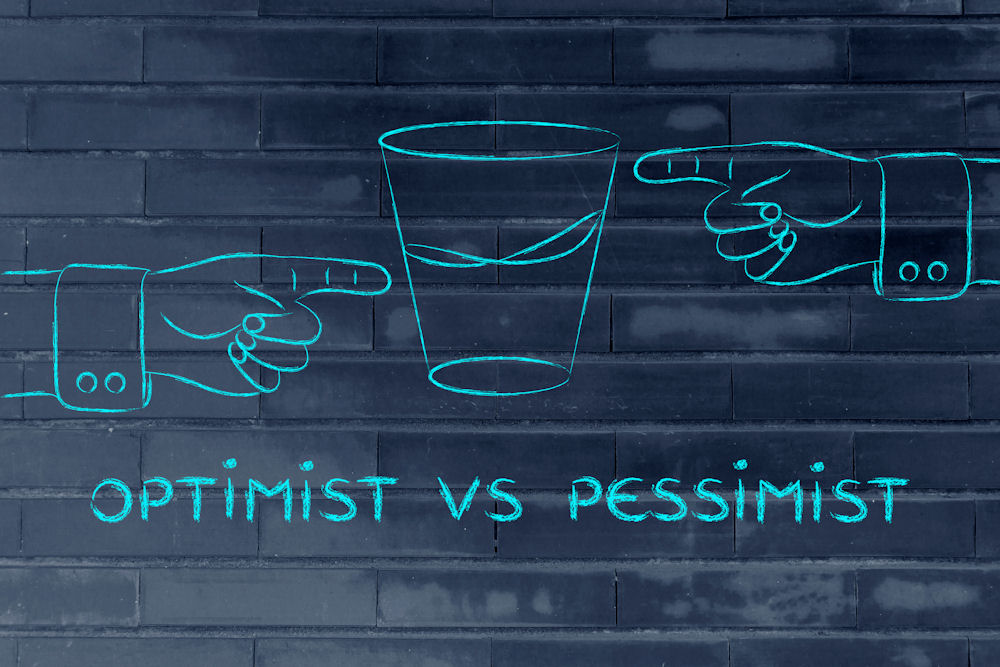
pessimism vs optimismOptimism, pessimism, and realism each offer unique perspectives on life and its challenges. Optimism is like a beacon of hope, guiding individuals through difficult times with a positive outlook. It can provide a sense of resilience, helping people bounce back from setbacks and navigate through adversity with greater ease. Optimists often maintain a sense of agency and control over their lives, believing in their ability to overcome obstacles.

Pessimism, on the other hand, tends to paint a darker picture, emphasizing potential pitfalls and negative outcomes. While a certain degree of caution can be beneficial, excessive pessimism can lead to feelings of hopelessness and defeat. Pessimists may struggle with anxiety disorders and other co-occurring disorders such as substance abuse and depression as they constantly anticipate the worst-case scenarios.

Realism, positioned between optimism and pessimism, encourages individuals to see situations as they truly are, without undue optimism or pessimism clouding their judgment. Realists assess circumstances objectively, weighing both the positive and negative aspects to make informed decisions. They acknowledge the challenges ahead while also recognizing their capabilities to address them effectively.

Finding the right balance between optimism, pessimism, and realism is key to maintaining mental well-being. While optimism can provide motivation and resilience, realism ensures a grounded understanding of reality. Pessimism, when tempered, can serve as a cautionary voice, prompting individuals to consider potential risks and prepare for them appropriately. Ultimately, a blend of optimism, realism, and a touch of pessimism can help individuals navigate life’s ups and downs with grace and resilience.

Can Pessimism Be Good?

Some degree of pessimism can be helpful at times. Pessimism may make you more risk-averse and help avoid dangers or poor decision-making. However, a predominantly pessimistic vs optimistic outlook often does more harm than good to well-being and mental health. The key is cultivating an optimistic mindset most of the time, while also practicing realism.

A Note on Changing Your Mindset: Tips

If you tend towards pessimism, making a conscious effort to shift your mindset can have significant benefits. Some tips for developing an optimistic outlook:

Challenge Negative Thoughts

Our thoughts often tend to drift to the negative, but that doesn’t make them accurate. When you have a negative thought, challenge it with more balanced and realistic thinking. Try to find evidence that contradicts your initial negative impression. This can help reframe your mindset more optimistically.

Practice Positive Self-Talk

Speak to yourself with encouragement and praise, not harsh self-criticism. Replace negative statements like “I’ll never get this done” with more constructive ones such as “I can do this if I make a plan.” Positive self-talk builds optimism and confidence.

Focus on Progress, Not Perfection

Don’t aim for an unrealistic standard of perfection that leads to disappointment and pessimism. Instead, notice the progress you’re making and celebrate small wins. An optimistic mindset acknowledges that change is gradual.

Surround Yourself with Positive People

Spend time with people who lift you and support you. Their positive outlook can help balance your mindset and make optimism feel more natural. Limit interactions with those who constantly criticize or complain.

Take Care of Yourself

Prioritize good sleep, nutrition, and exercise. Your physical health and optimism are closely connected. When you feel good physically, you tend to feel better mentally and emotionally. Make sure to also engage in relaxing and rejuvenating activities that you find meaningful or joyful.

Seek Professional Help if Needed

If you’re struggling to shift your mindset on your own, don’t hesitate to seek support from a mental health professional. Therapy can provide you with tools and strategies to challenge negative thinking patterns and cultivate a more optimistic outlook.

Maintaining an optimistic and realistic mindset takes conscious work, but the rewards are well worth the effort. Optimism gives you a mental edge and resilience that serve you well in all areas of life. Focusing on positivity and solutions will do wonders for your mental health and happiness.

How the Pessimism Bias Can Impact Anxiety and Depression

woman on the couch looking problematicWhen it comes to anxiety, the pessimism bias tends to magnify our worries. Imagine you have a job interview coming up. Instead of focusing on the potential positives, like your qualifications or the chance to showcase your skills, your mind fixates on all the things that could go wrong. You might imagine stumbling over your words, forgetting important information, or even getting rejected. This pessimistic outlook feeds into your anxiety, making you feel increasingly tense and apprehensive as the interview approaches.



Now, let’s talk about depression. The pessimism bias can cast a shadow over every aspect of life. You might always expect the worst, whether it’s about your job, relationships, or personal goals. Even small setbacks can feel like overwhelming proof that nothing will ever go right. This constant negative thinking creates a heavy burden of hopelessness and despair, draining the joy out of life and making it hard to see any light at the end of the tunnel.

In both cases, the pessimism bias acts like a dark cloud, overshadowing our thoughts and emotions. It fuels our anxiety by making us hyper-aware of potential threats, and it deepens our depression by painting everything in shades of gloom. Breaking free from this pattern isn’t easy, but it’s possible with the right support. Addiction therapy services, treatment planning, mindfulness techniques, and self-care strategies can help us challenge the pessimism bias and cultivate a more balanced perspective that allows us to see the brighter side of life, even in the face of challenges.

Importance of Mental Health Awareness

Mental health awareness is crucial for several reasons. Firstly, it helps break the stigma surrounding mental illness. By raising awareness, we promote understanding and acceptance, encouraging individuals to seek help without fear of judgment or discrimination.

Secondly, promoting mental health awareness fosters early detection and intervention. When people are educated about the signs and symptoms of mental health conditions, they are more likely to recognize them in themselves or others and seek appropriate support.

Additionally, mental health awareness encourages open dialogue about emotional well-being. This can lead to improved communication within families, schools, workplaces, and communities, creating supportive environments where individuals feel comfortable discussing their struggles and seeking help when needed.

Furthermore, promoting mental health awareness can contribute to the prevention of mental health problems. Educating people about factors that contribute to good mental health, such as stress management, healthy relationships, and self-care practices, empowers them to take proactive steps to protect their mental well-being.

Overall, mental health awareness is essential for building a society that prioritizes emotional well-being, supports those experiencing mental health challenges, and works to prevent future problems.

Discover Cultivating Mental Well-being at Discovery Institute

Are you tired of feeling weighed down by pessimism? Are you ready to discover how your mindset impacts your mental health and learn practical strategies for finding balance? Take part in Discovery Institute this month as we delve into the fascinating world of pessimism versus optimism and realism. Together, let’s explore how these mindsets shape our experiences and influence our well-being. Contact us today!

References

https://www.samhsa.gov/blog/mental-health-awareness-month-time-self-care

Dr. Michael DeShields

Clinical Advisor

Read More

Need Professional Help With Addiction?

  • New Jersey Addiction Treatment
  • Addiction & Mental Health Programs
  • Intensive Outpatient Program (IOP) in New Jersey
  • Dual Diagnosis Treatment in New Jersey
  • Drug & Alcohol Detox Programs

Addiction Recovery & Detox

  • Depressant Drugs: Long-Term Side Effects
  • Involuntary Commitment Laws in New Jersey
  • Sleeping Pill Addiction
  • How to Find an AA Sponsor
  • 10 Common Questions About Alcohol Detox
  • Foods That Fight Depression
  • How Substance Abuse Affects Marriage

Drug & Substance Abuse FAQs

  • What Do Shrooms feel Like?
  • How Does Drinking Affect the Thyroid?
  • Can Adderall Cause a Heart Attack?
  • Can You Overdose on Cough Drops?
  • Does Alcohol Cause Mood Swings?
  • Are You Dealing With Dry Drunk Syndrome?
  • How Does Alcohol Affect Cortisol?
  • Do Illegal Drugs Cause Hair Loss?
  • What Drugs Cause Dilated Pupils?
  • Can Alcohol Abuse Cause Multiple Sclerosis?

Are You Covered For Insurance Treatment?

Insurance Logo
Insurance Logo
Insurance Logo
Insurance Logo
Insurance Logo
Insurance Logo
Learn More

Our Editorial Policy

The Discovery Institute aims to provide accurate, ethical, clinically sound information regarding addiction and mental health for individuals and their families. All content published by The Discovery Institute is reviewed for accuracy and clarity by qualified individuals and is medically reviewed. We aim to make complicated subjects easy to understand without resorting to fear-based marketing techniques or misleading assurances. Content is regularly reviewed and updated to reflect current best practices, ensuring readers receive reliable, supportive guidance.

Read More About Our Process

Copyright © 2026 Discovery Institute. All Rights Reserved.

Accessibility Toolbar

  • Powered with favoriteLove by Codenroll

GET IN TOUCH

We’re Ready When You Are.

Call 24/7 to have a discussion with one of our treatment professionals the call is completely free. Admission Line and explanation of convenient private phone and free prescreening.

Need Help? Contact Us

(732) 333-3167


Schedule Your Admission

Free assessment and 100% confidential  
  • This field is for validation purposes and should be left unchanged.
Footer Logo
  (732) 333-3167
  80 Conover Rd
Marlboro, NJ 07746
       
Joint-Commission

About Discovery

  • About
  • Meet Our Staff
  • Admissions Information
  • Contact Us
  • Get Directions
  • Review Us
  • Find Us On the Web
  • COVID-19 Protocols

Rehab & Treatment

  • Rehab Programs
  • Drug Rehab
  • Alcohol Detox
  • Drug Detox

Get Directions

Map

Addiction Resources

  • Learn About Addiction
  • Am I An Addict
  • Common Rehab Questions
  • Insurance Verification

Copyright © 2025. All Rights Reserved. Discovery Institute Recovery Center | Privacy Policy | Accessibility

Jump to Section

×
    • Table of Contents
  • Pessimism vs Optimism and Realism
  • Can Pessimism Be Good?
  • A Note on Changing Your Mindset: Tips
  • How the Pessimism Bias Can Impact Anxiety and Depression
  • Importance of Mental Health Awareness
  • Discover Cultivating Mental Well-being at Discovery Institute
→ Table of Contents