Verify InsuranceGet Directions
Get Help Now (732) 333-3167
Discovery Institute
  • Detox
    • Alcohol Detox
    • Amphetamine Detox
    • Benzodiazepine Detox
    • Cocaine Detox
    • Drug Detox
    • Medical Detox
    • Opiate Detox
    • Prescription Drug Detox
    • Meth Detox
    • Fentanyl Detox
    • Heroin Detox
  • Residential Treatment
    • Rehab
    • Treatment for Young Adults
    • Treatment for Adults
    • Treatment for Seniors
  • Programs
    • Intensive Outpatient Program
    • Addiction Counseling
      • Individual Therapy
      • Group Therapy
      • Cognitive Behavioral Therapy
      • Dialectical Behavior Therapy
      • Equine Therapy
      • Family Therapy
    • Dual Diagnosis
      • ADHD and Addiction
      • Anxiety and Addiction
      • Bipolar Disorder and Addiction
      • Depression and Addiction
      • Eating Disorders and Addiction
      • OCD and Addiction
      • PTSD and addiction
      • Personality Disorders and Addiction
    • Holistic Addiction Treatment
    • Relapse Prevention
    • Telehealth Treatments
    • Treatment Planning
    • Vocational Services
    • Alumni Program
  • Resources
    • Blog
    • Family Support
    • Addiction Guides
      • Am I an Addict?
      • Addiction & Health Problems
      • The Stages of Addiction
      • Guide for Parents of Addicts
      • Guide for Spouses of Addicts
      • Guide for the Children of Addicts
      • Understanding Overdose
      • Going Through Withdrawal
    • Insurance Coverage
      • Verify Your Insurance
      • Aetna Insurance
      • Blue Cross Blue Shield
      • Emblemhealth Insurance
      • Prosper
      • Tricare Insurance
      • Humana Insurance
      • Oxford Healthcare
      • United Healthcare
      • MHC for Treatment
      • 1199 Insurance
      • Princeton Health/MedPro Health Insurance
      • Horizon NJ Insurance
      • New York Hotel Trade Insurance
      • NY State Empire Plan Insurance
      • Empire Bluecross Blueshield
      • Iron Workers Local #40 Insurance
      • Qualcare
      • Beacon Health Options
      • Magnacare
      • Magellan
      • Amerihealth
      • Anthem Bluecross Blueshield
    • Interventions
    • Overdose Response Initiative
      • Naloxone Finder
      • Distribution
      • Overdose Resources
    • Sober Living
    • FAQ’s
    • Helpful Links
  • About
    • Our Purpose
    • Our Team
    • Our Facility
    • Our Technology
    • Our Research
    • Our Editorial Policy
  • Contact
    • Admissions
    • Directions
    • Referral
    • Careers
Overdose
Home / Blog / Overdose Awareness Day: Resources to Save a Life

Overdose Awareness Day: Resources to Save a Life

Written by

Dr. Michael DeShields

Posted On: August 17, 2023
Overdose Awareness Day: Resources to Save a Life

Jump to Section

Toggle
    • Table of Contents
  • Overdose Facts
  • How to Recognize an Overdose
  • What to Do When Someone Overdoses
  • Factors that Increase the Risk of An Overdose
  • Tips On How to Be Involved in Overdose Awareness Day
  • Working to Combat the Overdose Crisis at Discovery

Table of Contents

  • Overdose Facts
  • How to Recognize an Overdose
  • What to Do When Someone Overdoses
  • Factors that Increase the Risk of An Overdose
  • Tips On How to Be Involved in Overdose Awareness Day
  • Working to Combat the Overdose Crisis at Discovery

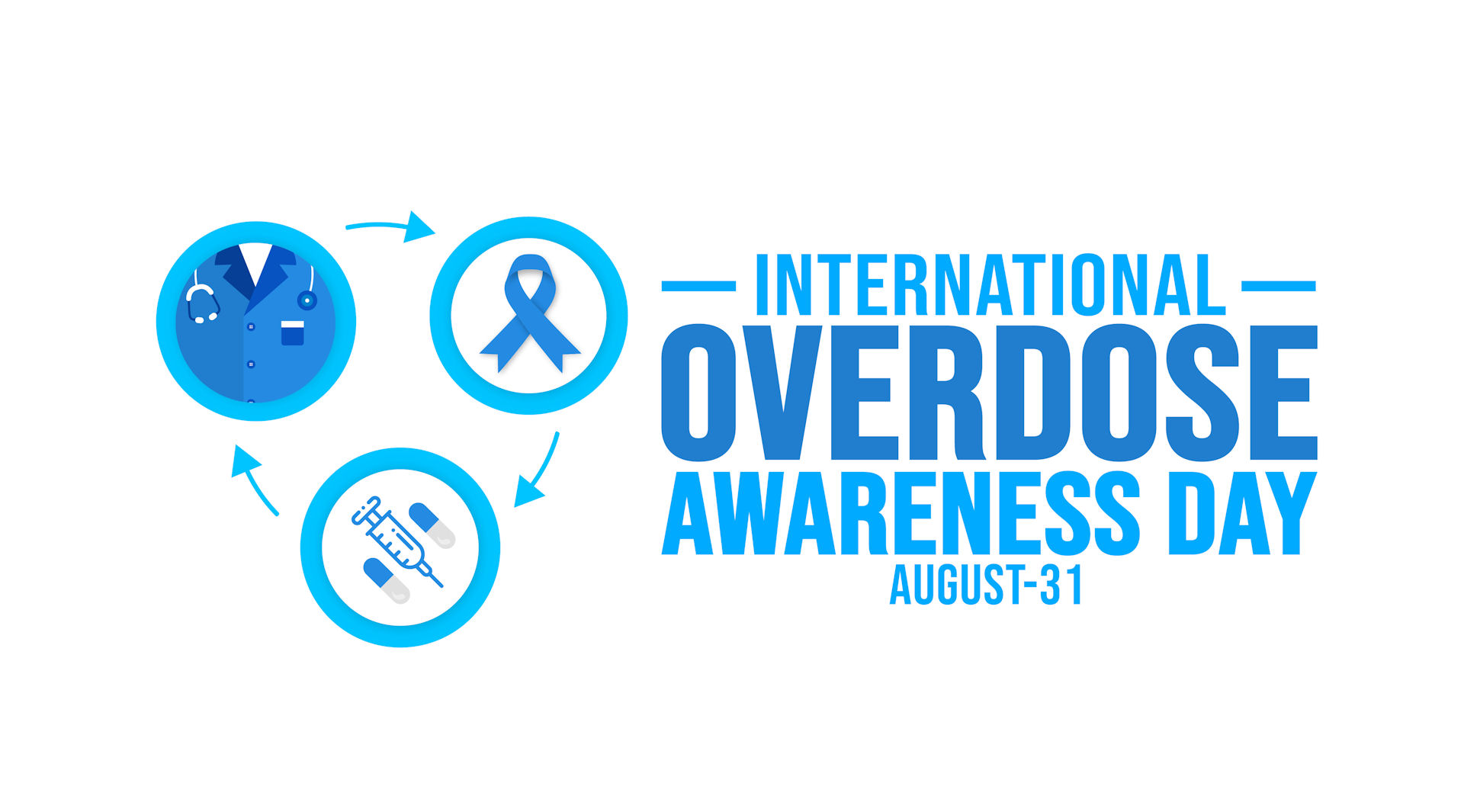
August 31, 2023, is International Overdose Awareness Day (IOAD). This is the world’s largest annual campaign to:

  • End overdose
  • Remember those who have died from overdoses
  • Acknowledging the grief of the friends and family left behind

The theme this year is “Recognizing those people who go unseen.” It’s about acknowledging (without stigmatizing) people in the communities who are affected by overdose but go unseen in the crisis. It’s obviously unfortunate that we need a day to make people aware of overdosing, but we do, and it could help save a life.

At Discovery Institute in Marlboro, New Jersey, our drug rehab facility is dedicated to saving lives through the promotion of overdose awareness.

Overdose Facts

overdose awareness dayAccording to data from the CDC and other sources:

  • Out of the nearly 110,000 drug overdose deaths reported in 2022, about 75% were associated with opioid abuse.
  • Unintentional workplace overdose deaths from nonmedical use of drugs or alcohol have increased by 536% since 2011, totaling 464 in 2021. This accounts for almost 9% of all occupational injury deaths that year.
  • Opioids, mostly synthetic opioids, are the main cause of drug overdose deaths. Nearly 88% of opioid-related overdose deaths.
  • In 2021, cocaine abuse caused almost 23% of overdose deaths.
  • Overdose deaths involving psychostimulants (such as meth, ecstasy, and prescription stimulants) are increasing with and without opioid involvement.
  • Each year from 2017 to 2020, an average of 2,467 people died nationally from alcohol poisoning.

How to Recognize an Overdose

Depending on the substance, overdoses will look different from one another. Here is a breakdown of each commonly abused substance and how overdose can occur.

Alcohol Overdose

Most people already know the symptoms of being intoxicated, such as slurred speech and loss of coordination. However, sometimes you may be seeing a serious health emergency and not even be aware of it. People who indulge in binge drinking alcohol for a short period are at a high risk of developing alcohol poisoning.

Alcohol poisoning is severe and deadly in some cases. A person with alcohol poisoning must have medical attention immediately. Here are some signs and symptoms of alcohol poisoning:

  • Reduced coordination, dizziness, slowed reflexes, and double vision
  • Cold and clammy skin on chest, back, face, hands, and arms
  • Slurred speech
  • Red eyes with a watery, glazed appearance
  • Pale skin
  • Severe confusion due to interference with short-term memory
  • Irregular heartbeat–alcohol slows the heartbeat to almost half the normal rate
  • Long pauses between breaths
  • Unable to stay awake
  • Passing out and not able to wake up or mumbling or walking while unconscious

Stimulant Overdose

Overdoses from stimulants are on the rise and frequently can become a real medical emergency. If you think someone has overdosed on stimulants, call 911 immediately. The risk of death can be reduced when medical personnel provide the appropriate assistance.

Stimulant overdoses are caused by drugs like speed, cocaine, and ecstasy that can elevate a person’s heart rate, blood pressure, and breathing. People who are overdosing may experience:

  • Nausea and vomiting
  • Signs of heart attack or cardiac arrest, including:
  • Pain, pressure, or squeezing feeling in the center of the chest
  • Neck, arms, jaw, back, or stomach discomfort
  • Shortness of breath, nausea, cold sweats, lightheadedness
  • Signs of stroke
  • Numbness in arms, legs, or face
  • Sudden severe headache
  • Blurred vision
  • Sudden loss of coordination
  • Loss of consciousness
  • Fast pulse
  • Teeth grinding
  • Foaming at the mouth
  • High body temperature
  • Heavy sweating
  • Severe paranoia
  • Experiencing a seizure for the first time ever
  • Multiple seizures
  • Seizures that last more than 5 minutes
  • Stroke

Opioid Overdose

An opioid overdose may be caused by drugs like:

  • Heroin
  • OxyContin
  • Morphine
  • Fentanyl

These are the most common and are more likely to cause death than stimulant overdoses because opioids have an effect on the person’s ability to breathe. Signs of an opioid overdose are:

  • The person is unresponsive to shouting, shaking, or pain
  • Slowed or stopped breathing
  • Fingers and lips turning blue
  • Gurgling and choking sounds
  • Slow or stopped heartbeat

What to Do When Someone Overdoses

D you know what to do when someone overdoses? Immediate action is necessary. Even if you aren’t sure, it’s important to always call 911 first. It could be the difference between life and death.

For Alcohol Poisoning:

  • Call 911 immediately
  • Don’t leave the person alone
  • Keep them awake and sitting up
  • Give them water to sip on if they’re awake
  • Cover with a warm blanket
  • If they have passed out, get them onto their side (recovery position) to keep them from choking on vomit
  • Tell emergency responders about their symptoms and how much they drank (if you know)

DO NOT:

  • Give them a cold shower
  • Give them food that can lead to choking or vomiting
  • Have them “walk it off,” which can lead to a fall
  • Try to make them throw up

For a Stimulant Overdose:

  • Call 911
  • Help them stay calm
  • Put them into the recovery position
  • Clear their airway while protecting their head

For Opioid Overdose:

  • If no medical help is available call 911 immediately
  • Shout, shake, and rub their chest with your knuckles
  • Use Narcan if you have it and know how to use it
  • Begin rescue breathing. Continue until they start breathing or emergency responders arrive

How To Use Narcan

  • Take the nasal spray out of the box
  • Peel back the tab with the circle to open the Narcan Nasal Spray (naloxone) but DON’T remove it until ready to use and do NOT test the device.
  • Hold the Narcan with your thumb on the bottom of the plunger and your first and middle fingers on either side of the nozzle.
  • Tilt the person’s head back and provide support under the neck with your hand.
  • Gently insert the tip of the nozzle into one nostril, until your fingers on either side of the nozzle are against the bottom of the person’s nose.
  • Press the plunger firmly to give the dose of naloxone. Remove the spray from the nostril after giving the dose.
  • Wait and watch the person closely.
  • If the person does not respond in 2-mins, repeat the steps and give the second dose of Narcan Nasal Spray in the box.
  • Call 911 right away, if you haven’t already.
  • Place them in the ‘recovery position.

How to Put Someone in the Recovery Position

If the person is unconscious, or breathing but non-responsive, they should be put in the recovery position. If left lying on their back, their tongue could block their airway or they could suffocate on their vomit. Using the recovery position helps keep the airways open.

To put someone in the recovery position:

  1. Kneel beside them
  2. Straighten out their arms and legs
  3. Fold the arm closest to you across their chest
  4. Put the other arm at a right angle to their body
  5. Bend the leg closest to you at the knee with the foot flat on the ground
  6. While supporting the person’s head and neck, take the bent knee (closest to you) and gently roll the person away from you onto their side
  7. Make sure the top leg and knee are bent at right angles
  8. Tilt their head back to make sure the airways are open and clear

DO NOT:

  • Leave the person alone
  • Inject them with milk, salt water, speed, etc.
  • Put them in cold or ice water
  • Do anything that lengthens the amount of time they aren’t getting oxygen. That puts them at risk of brain damage or death.

DO:

  • Rescue breathing or CPR

How To Do Rescue Breathing

  • Tilt the head back
  • Lift the chin and pinch the nose
  • Begin with 2 breaths into the mouth.
  • Continue with 1 breath every 5 seconds
  • Keep doing rescue breathing until the person breathes on their own or medical help arrives

Factors that Increase the Risk of An Overdose

  • Using multiple drugs at the same time can increase the body’s need for oxygen while simultaneously slowing the ability to get oxygen. If you must mix substances, go slowly and use opioids first.
  • Using drugs after a period of abstinence because drug tolerance decreases rapidly when usage is stopped for any reason.
  • Using drugs alone. Never use alone and don’t lock doors.
  • The potency and quality of a drug can change with a different batch or a new source.
  • An individual’s age and physical health can have an effect on tolerance. HIV and Hepatitis can increase risk. In addition, people who smoke and those with asthma and/or respiratory illness may have more problems breathing during an overdose

Tips On How to Be Involved in Overdose Awareness Day

international overdose awareness dayThis annual global event is a way to remember those people who are gone too soon, and to commit to preventing these deaths. You can help your loved ones, co-workers, and neighbors by learning what you can do to save lives. Here are some things you can do:

  • Talk to your employer about adding naloxone (Narcan) nasal spray to the first aid kits and train employees how to use it.
  • Encourage your workplace to take part in Overdose Awareness Day activities such as holding a candlelight vigil, and purchasing or making purple wristbands or other items to wear on August 31.
  • Learn to identify the signs of an overdose so you’re prepared to take action.
  • Post IOAD messages using the hashtags #OverdoseAware, #IOAD2023, or #EndOverdose on social media.

Working to Combat the Overdose Crisis at Discovery

The Discovery Institute has been in the business of combatting addiction and overdose for over 50 years. We’re working to fight this crisis by providing addiction treatment programs and therapy services for people struggling with drug or alcohol addiction. If you or someone you care about needs help, we urge you to contact us today. By starting a path to recovery, with experienced, caring, professional help, you are helping to combat this plague.

References:

https://www.overdoseday.com/#:~:text=International

Dr. Michael DeShields

Clinical Advisor

Read More

Need Professional Help With Addiction?

  • New Jersey Addiction Treatment
  • Addiction & Mental Health Programs
  • Intensive Outpatient Program (IOP) in New Jersey
  • Dual Diagnosis Treatment in New Jersey
  • Drug & Alcohol Detox Programs

Addiction Recovery & Detox

  • Depressant Drugs: Long-Term Side Effects
  • Involuntary Commitment Laws in New Jersey
  • Sleeping Pill Addiction
  • How to Find an AA Sponsor
  • 10 Common Questions About Alcohol Detox
  • Foods That Fight Depression
  • How Substance Abuse Affects Marriage

Drug & Substance Abuse FAQs

  • What Do Shrooms feel Like?
  • How Does Drinking Affect the Thyroid?
  • Can Adderall Cause a Heart Attack?
  • Can You Overdose on Cough Drops?
  • Does Alcohol Cause Mood Swings?
  • Are You Dealing With Dry Drunk Syndrome?
  • How Does Alcohol Affect Cortisol?
  • Do Illegal Drugs Cause Hair Loss?
  • What Drugs Cause Dilated Pupils?
  • Can Alcohol Abuse Cause Multiple Sclerosis?

Are You Covered For Insurance Treatment?

Insurance Logo
Insurance Logo
Insurance Logo
Insurance Logo
Insurance Logo
Insurance Logo
Learn More

Our Editorial Policy

The Discovery Institute aims to provide accurate, ethical, clinically sound information regarding addiction and mental health for individuals and their families. All content published by The Discovery Institute is reviewed for accuracy and clarity by qualified individuals and is medically reviewed. We aim to make complicated subjects easy to understand without resorting to fear-based marketing techniques or misleading assurances. Content is regularly reviewed and updated to reflect current best practices, ensuring readers receive reliable, supportive guidance.

Read More About Our Process

Copyright © 2026 Discovery Institute. All Rights Reserved.

Accessibility Toolbar

  • Powered with favoriteLove by Codenroll

GET IN TOUCH

We’re Ready When You Are.

Call 24/7 to have a discussion with one of our treatment professionals the call is completely free. Admission Line and explanation of convenient private phone and free prescreening.

Need Help? Contact Us

(732) 333-3167


Schedule Your Admission

Free assessment and 100% confidential  
  • This field is for validation purposes and should be left unchanged.
Footer Logo
  (732) 333-3167
  80 Conover Rd
Marlboro, NJ 07746
       
Joint-Commission

About Discovery

  • About
  • Meet Our Staff
  • Admissions Information
  • Contact Us
  • Get Directions
  • Review Us
  • Find Us On the Web
  • COVID-19 Protocols

Rehab & Treatment

  • Rehab Programs
  • Drug Rehab
  • Alcohol Detox
  • Drug Detox

Get Directions

Map

Addiction Resources

  • Learn About Addiction
  • Am I An Addict
  • Common Rehab Questions
  • Insurance Verification

Copyright © 2025. All Rights Reserved. Discovery Institute Recovery Center | Privacy Policy | Accessibility

Jump to Section

×
    • Table of Contents
  • Overdose Facts
  • How to Recognize an Overdose
  • What to Do When Someone Overdoses
  • Factors that Increase the Risk of An Overdose
  • Tips On How to Be Involved in Overdose Awareness Day
  • Working to Combat the Overdose Crisis at Discovery
→ Table of Contents