Verify InsuranceGet Directions
Get Help Now (732) 333-3167
Discovery Institute
  • Detox
    • Alcohol Detox
    • Amphetamine Detox
    • Benzodiazepine Detox
    • Cocaine Detox
    • Drug Detox
    • Medical Detox
    • Opiate Detox
    • Prescription Drug Detox
    • Meth Detox
    • Fentanyl Detox
    • Heroin Detox
  • Residential Treatment
    • Rehab
    • Treatment for Young Adults
    • Treatment for Adults
    • Treatment for Seniors
  • Programs
    • Intensive Outpatient Program
    • Addiction Counseling
      • Individual Therapy
      • Group Therapy
      • Cognitive Behavioral Therapy
      • Dialectical Behavior Therapy
      • Equine Therapy
      • Family Therapy
    • Dual Diagnosis
      • ADHD and Addiction
      • Anxiety and Addiction
      • Bipolar Disorder and Addiction
      • Depression and Addiction
      • Eating Disorders and Addiction
      • OCD and Addiction
      • PTSD and addiction
      • Personality Disorders and Addiction
    • Holistic Addiction Treatment
    • Relapse Prevention
    • Telehealth Treatments
    • Treatment Planning
    • Vocational Services
    • Alumni Program
  • Resources
    • Blog
    • Family Support
    • Addiction Guides
      • Am I an Addict?
      • Addiction & Health Problems
      • The Stages of Addiction
      • Guide for Parents of Addicts
      • Guide for Spouses of Addicts
      • Guide for the Children of Addicts
      • Understanding Overdose
      • Going Through Withdrawal
    • Insurance Coverage
      • Verify Your Insurance
      • Aetna Insurance
      • Blue Cross Blue Shield
      • Emblemhealth Insurance
      • Prosper
      • Tricare Insurance
      • Humana Insurance
      • Oxford Healthcare
      • United Healthcare
      • MHC for Treatment
      • 1199 Insurance
      • Princeton Health/MedPro Health Insurance
      • Horizon NJ Insurance
      • New York Hotel Trade Insurance
      • NY State Empire Plan Insurance
      • Empire Bluecross Blueshield
      • Iron Workers Local #40 Insurance
      • Qualcare
      • Beacon Health Options
      • Magnacare
      • Magellan
      • Amerihealth
      • Anthem Bluecross Blueshield
    • Interventions
    • Overdose Response Initiative
      • Naloxone Finder
      • Distribution
      • Overdose Resources
    • Sober Living
    • FAQ’s
    • Helpful Links
  • About
    • Our Purpose
    • Our Team
    • Our Facility
    • Our Technology
    • Our Research
    • Our Editorial Policy
  • Contact
    • Admissions
    • Directions
    • Referral
    • Careers
Treatment
Home / Blog / Mobile Medication Services: Expanding Access to Treatment

Mobile Medication Services: Expanding Access to Treatment

Written by

Dr. Michael DeShields

Posted On: February 11, 2025
Mobile Medication Services: Expanding Access to Treatment

Jump to Section

Toggle
    • Table of Contents
  • Understanding the Issue: Expanding Access to Opioid Use Disorder Treatment
  • Human Services Committee Bill
  • Mobile Medication Units and Health Clinics: Expanding Access to Care
  • Addressing Concerns and Misconceptions About Mobile and Telehealth Treatment
  • Funding for Telehealth Opioid Treatment in New Jersey
  • Receive Drug Addiction Treatment at Discovery Institute

Table of Contents

  • Understanding the Issue: Expanding Access to Opioid Use Disorder Treatment
  • Human Services Committee Bill
  • Mobile Medication Units and Health Clinics: Expanding Access to Care
  • Addressing Concerns and Misconceptions About Mobile and Telehealth Treatment
  • Funding for Telehealth Opioid Treatment in New Jersey
  • Receive Drug Addiction Treatment at Discovery Institute

Expanding access to treatment for opioid use disorder is critical in combating the opioid crisis. Medications for opioid use disorder (MOUD) have been proven to reduce overdose deaths, support long-term recovery, and improve overall well-being. However, access to these life-saving treatments remains limited due to logistical, financial, and social barriers. Mobile medication services help bridge this gap by delivering care directly to those who need it most.

Treatment goes beyond just medication. A person’s journey to recovery requires counseling, peer support, and access to social services. Without these essential components, the risk of relapse increases. Mobile services provide a holistic approach, ensuring individuals receive comprehensive care tailored to their unique needs.

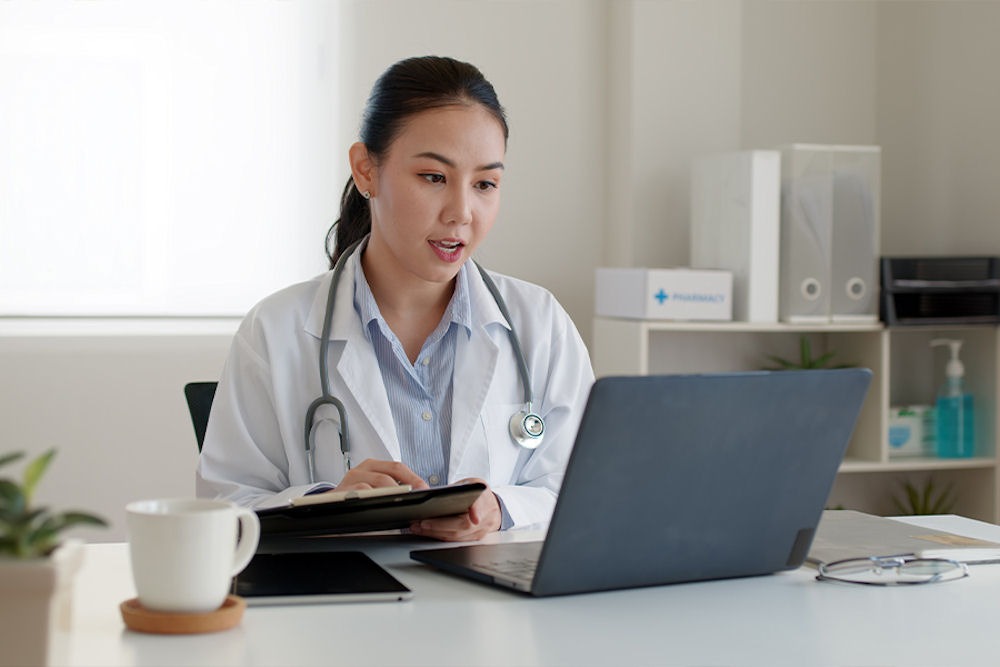
Telehealth opioid treatment is another crucial tool in making treatment more accessible. Virtual appointments allow patients to connect with healthcare providers without the challenges of transportation or stigma associated with in-person visits. Discovery Institute in Marlboro, New Jersey provides both mobile medication services and telehealth opioid treatment, ensuring that more individuals have access to compassionate, evidence-based care that supports their recovery journey.

Understanding the Issue: Expanding Access to Opioid Use Disorder Treatment

New Jersey, like much of the United States, is facing a devastating opioid crisis. Overdose rates continue to rise, and many individuals struggling with opioid use disorder (OUD) lack access to treatment. Traditional healthcare settings often fail to reach those who need help the most. Mobile medication services offer a practical, effective solution by bringing treatment directly to communities affected by opioid use disorder.

Hard-to-reach populations—such as individuals experiencing homelessness, those with mental health conditions, or people without reliable transportation—are less likely to seek traditional healthcare services. Many also face stigma and distrust in medical institutions, further discouraging them from getting help. Mobile units break down these barriers by meeting individuals where they are and offering treatment in a safe, non-judgmental environment.

Mobile medication vans do more than provide medication—they act as a gateway to recovery. Delivering essential healthcare, social services, and harm reduction resources, these services help individuals take the first step toward long-term stability. With expanded mobile services in New Jersey, more people can access the treatment they need, when and where they need it most.
Human Services Committee Bill

The Human Services Committee Bill is designed to improve access to opioid use disorder (OUD) treatment, including telehealth opioid treatment. This legislation aims to break down barriers by increasing funding, expanding mobile treatment programs, and making telehealth services more accessible. These efforts are crucial, as millions of Americans struggle with opioid misuse. In 2021, approximately 9.2 million people aged 12 and older used opioids without a prescription, and 5.6 million were diagnosed with OUD.

Those affected face a significantly higher risk of early death due to overdose, accidents, suicide, or infections. Many also have encounters with the criminal justice system. By addressing these challenges, the bill ensures that more people can receive life-saving care without unnecessary obstacles.

telehealth opioid treatment in NJ

Mobile Medication Units and Health Clinics: Expanding Access to Care

Mobile medication units (MMUs) and mobile health clinics are crucial in reaching individuals who might not otherwise access traditional treatment options. These vehicles provide medical care, counseling, and addiction treatment directly to communities in need, serving as a lifeline for many.

What Are Mobile Medication Units?

In New Jersey, mobile medication units are specially designed vehicles that function as fully equipped treatment centers on wheels. These large, custom-built RVs have separate sections for dispensing medication and providing medical and counseling services. Each unit includes restrooms, exam areas, and secure storage for medication to comply with DEA regulations.

Staffing on these units typically includes a physician and a nurse, ensuring patients receive proper medical care. Substance use disorder (SUD) counselors are available on-site, remotely, or through arranged transportation when needed. These mobile units operate as extensions of their affiliated Opioid Treatment Programs (OTPs), maintaining DEA approval, SAMHSA certification, and state licensure.

To receive treatment through New Jersey’s mobile units, patients must meet specific eligibility criteria, such as residency in the state, a history of injection drug use, a positive opioid test, or a year-long history of opioid use disorder, and not currently being enrolled in another MOUD program.

Understanding Mobile Health Clinics for People with Opioid Use Disorder

Mobile health clinics go beyond medication-assisted treatment (MAT) by offering comprehensive medical services to individuals struggling with opioid use. These clinics provide primary healthcare, wound care, infectious disease screenings, and vaccinations. Many also offer mental health counseling and connections to housing and social services, ensuring a holistic approach to recovery.

By removing transportation barriers and bringing care directly to patients, mobile health clinics make it easier for individuals to engage with healthcare professionals and receive ongoing support.

Is Opioid Treatment Provided Online or by Phone?

Opioid treatment can be accessed online or by phone through telehealth opioid treatment. Virtual care allows individuals to consult with healthcare providers, receive prescriptions, and access counseling services without needing to visit a clinic in person. This approach is particularly beneficial for those who face transportation challenges, live in remote areas, or experience stigma when seeking in-person treatment.

Telehealth opioid treatment provides flexibility while maintaining the quality of care, ensuring that patients receive the necessary medical and psychological support for their recovery journey.

Addressing Concerns and Misconceptions About Mobile and Telehealth Treatment

Some people have concerns about mobile and telehealth opioid treatment, questioning whether these options are as effective as traditional in-person care. However, research and established guidelines show that these services provide safe, effective, and convenient access to life-saving treatment. Below, we address some common misconceptions.

Is Telehealth Treatment as Effective as In-Person Visits?

Yes, telehealth treatment is just as effective as in-person care for opioid use disorder. Studies show that people receiving medication-assisted treatment (MAT) through telehealth stay in treatment just as long—if not longer—than those attending in-person visits. Virtual care allows patients to connect with doctors and counselors from home, making it easier to stick with treatment while balancing work, childcare, or transportation challenges. Telehealth also increases access for people in rural or underserved areas who might otherwise struggle to get the care they need.

How Do Mobile Units Ensure Privacy and Confidentiality for Patients?

Mobile treatment units protect patient information by following strict privacy laws, including HIPAA. These units are designed with private consultation areas where patients can speak with medical professionals without being overheard. All medical records are securely stored, and only authorized staff have access. The goal is to provide care in a safe, nonjudgmental environment where people feel comfortable seeking help.

What Measures Are in Place to Prevent Misuse or Diversion of Medications?

Strict safeguards are in place to prevent medication misuse. Mobile units follow federal and state regulations to ensure that medications like methadone and buprenorphine are given safely and only to those who need them. Patients are monitored closely, undergo regular check-ins, and may be required to take supervised doses. Prescription tracking systems help prevent abuse, and patients receive counseling to support their recovery and ensure proper medication use.

telehealth opioid treatment

Funding for Telehealth Opioid Treatment in New Jersey

New Jersey’s taxpayers are not directly funding the expansion of opioid treatment programs. Instead, these efforts are being supported by settlement payments from opioid manufacturers, distributors, and retailers. In 2022, New Jersey began receiving funds from a nationwide litigation settlement aimed at holding these companies accountable for their role in the opioid epidemic. The state is set to receive over $1 billion over 14 years, with funds allocated to expanding addiction treatment and prevention programs.

A strategic plan is being developed to ensure these funds are used effectively. The initial funding includes over $95 million dedicated to expanding harm reduction services, peer recovery centers, mobile medication units, rapid referral platforms for treatment, and housing support for individuals in recovery. By investing in comprehensive treatment solutions rather than punitive measures, these funds are helping to save lives and improve community health.

New Jersey is expected to expand mobile and telehealth treatment funding, helping more people access care in their communities. Future advancements may include AI-driven patient monitoring, expanded telehealth services, and new policies aimed at making treatment even more accessible and effective.

Receive Drug Addiction Treatment at Discovery Institute

If you or a loved one is struggling with opioid addiction, Discovery Institute offers compassionate, evidence-based care through our telehealth treatment programs. Our telehealth opioid treatment services provide safe, convenient access to medical support, counseling, and medication-assisted treatment from the comfort of your home. We understand that barriers like transportation, work schedules, and stigma can make it difficult to seek help, which is why we make treatment more accessible through secure virtual appointments.

You can overcome this, and you don’t have to do it alone. Contact Discovery Institute today to learn how our telehealth services can support your journey to lasting wellness.

References

https://whyy.org/articles/new-jersey-opioid-settlement-recovery/

https://www.njspotlightnews.org/2024/12/will-nj-lawmakers-ok-telehealth-treatment-phone-or-online-for-opioid-addiction/

Find out how we can help

Our compassionate counselors are standing by to answer any questions you may have. After helping thousands of people over the last 50 years, we have the resources to help you and your family and all your individual needs.

Contact Us

Dr. Michael DeShields

Clinical Advisor

Read More

Need Professional Help With Addiction?

  • New Jersey Addiction Treatment
  • Addiction & Mental Health Programs
  • Intensive Outpatient Program (IOP) in New Jersey
  • Dual Diagnosis Treatment in New Jersey
  • Drug & Alcohol Detox Programs

Addiction Recovery & Detox

  • Depressant Drugs: Long-Term Side Effects
  • Involuntary Commitment Laws in New Jersey
  • Sleeping Pill Addiction
  • How to Find an AA Sponsor
  • 10 Common Questions About Alcohol Detox
  • Foods That Fight Depression
  • How Substance Abuse Affects Marriage

Drug & Substance Abuse FAQs

  • What Do Shrooms feel Like?
  • How Does Drinking Affect the Thyroid?
  • Can Adderall Cause a Heart Attack?
  • Can You Overdose on Cough Drops?
  • Does Alcohol Cause Mood Swings?
  • Are You Dealing With Dry Drunk Syndrome?
  • How Does Alcohol Affect Cortisol?
  • Do Illegal Drugs Cause Hair Loss?
  • What Drugs Cause Dilated Pupils?
  • Can Alcohol Abuse Cause Multiple Sclerosis?

Are You Covered For Insurance Treatment?

Insurance Logo
Insurance Logo
Insurance Logo
Insurance Logo
Insurance Logo
Insurance Logo
Learn More

Our Editorial Policy

The Discovery Institute aims to provide accurate, ethical, clinically sound information regarding addiction and mental health for individuals and their families. All content published by The Discovery Institute is reviewed for accuracy and clarity by qualified individuals and is medically reviewed. We aim to make complicated subjects easy to understand without resorting to fear-based marketing techniques or misleading assurances. Content is regularly reviewed and updated to reflect current best practices, ensuring readers receive reliable, supportive guidance.

Read More About Our Process

Copyright © 2026 Discovery Institute. All Rights Reserved.

Accessibility Toolbar

  • Powered with favoriteLove by Codenroll

GET IN TOUCH

We’re Ready When You Are.

Call 24/7 to have a discussion with one of our treatment professionals the call is completely free. Admission Line and explanation of convenient private phone and free prescreening.

Need Help? Contact Us

(732) 333-3167


Schedule Your Admission

Free assessment and 100% confidential  
  • This field is for validation purposes and should be left unchanged.
Footer Logo
  (732) 333-3167
  80 Conover Rd
Marlboro, NJ 07746
       
Joint-Commission

About Discovery

  • About
  • Meet Our Staff
  • Admissions Information
  • Contact Us
  • Get Directions
  • Review Us
  • Find Us On the Web
  • COVID-19 Protocols

Rehab & Treatment

  • Rehab Programs
  • Drug Rehab
  • Alcohol Detox
  • Drug Detox

Get Directions

Map

Addiction Resources

  • Learn About Addiction
  • Am I An Addict
  • Common Rehab Questions
  • Insurance Verification

Copyright © 2025. All Rights Reserved. Discovery Institute Recovery Center | Privacy Policy | Accessibility

Jump to Section

×
    • Table of Contents
  • Understanding the Issue: Expanding Access to Opioid Use Disorder Treatment
  • Human Services Committee Bill
  • Mobile Medication Units and Health Clinics: Expanding Access to Care
  • Addressing Concerns and Misconceptions About Mobile and Telehealth Treatment
  • Funding for Telehealth Opioid Treatment in New Jersey
  • Receive Drug Addiction Treatment at Discovery Institute
→ Table of Contents