Key Points
- Lisdexamfetamine converts to dextroamphetamine, which has a half-life of approximately 12 hours and takes about 2 to 3 days for most elimination from the body.
- Urine tests typically detect lisdexamfetamine as amphetamine for 1 to 3 days after last use, though detection windows vary based on test sensitivity and individual factors.
- Factors affecting elimination include dosage, frequency of use, metabolism, age, body composition, kidney function, and urine pH.
- The duration of therapeutic effects (how long it controls symptoms) is much shorter than how long the drug remains detectable.
- Understanding detection times is important for medication monitoring, drug testing scenarios, and recognizing when stimulant use may be becoming problematic.
Quick Answer:
The active form of the prescription drug lisdexamfetamine (Lisdex) is dextroamphetamine and is called a prodrug because the drug lisdexamfetamine is turned into an active substance in the body. Generally, most people will clear lisdexamfetamine and its metabolites from their system in about 2–3 days, although individual factors can alter this timeframe. Urine drug tests can generally detect the presence of amphetamines for a period of 1–3 days after the last time the drugs were taken [1]. Important: How long you feel the effects of Vyvanse is not the same as how long it remains detectable in your system.
What Is Lisdexamfetamine (Vyvanse) and Why Does Detection Differ from Other Stimulants?
Lisdexamfetamine is the generic name for Vyvanse, a prescription ADHD stimulant used to treat attention-deficit/hyperactivity disorder and binge eating disorder. Understanding how this medication works in your body helps explain why detection times vary.

Prodrug Conversion
Lisdexamfetamine functions as a prodrug, which means that it remains inactive when initially consumed. Once you ingest this medication, your body transforms lisdexamfetamine into dextroamphetamine, the active stimulant that provides therapeutic benefits. While lisdexamfetamine is eliminated from the body relatively quickly, the effects of dextroamphetamine last significantly longer. Therefore, when we consider “how long lisdexamfetamine stays in your system,” we’re actually referring to the duration for which dextroamphetamine and its breakdown products can be detected [1].
“In Your System” Can Mean Three Different Things
When people ask how long lisdexamfetamine stays in their system, they might actually be asking three different questions:
Clinical effects: How long does the medication control your ADHD symptoms? This is typically 10 to 12 hours for most people.
Pharmacokinetics: How long do the drug and its metabolites remain in your body at a chemical level? This is typically 2 to 3 days for most elimination.
Drug test detection: How long can various tests detect that you’ve taken the medication? This varies by test type, with urine detection typically lasting 1 to 3 days.
The Discovery Institute appreciates that there are many various reasons why a person would inquire into the time frame of detecting the drug in their system. The inquiry may stem from a current use of lisdexamfetamine (as prescribed), where knowledge of the detection timeframe for drug testing would be helpful, a person who has completed a substance abuse treatment program and whose blood level is still being monitored, or a person who is concerned about his/her use of the medication. Whatever your reason may be for asking this question, we want to provide you with accurate, compassionate information.
How Long Does Lisdexamfetamine Stay in Your System?
Half-Life and Typical Elimination Timeline
A drug’s half-life is defined as the amount of time required for 50% of the drug to be removed from your body. After conversion of the pro-drug lisdexamfetamine into the active substance dextroamphetamine, dextroamphetamine is cleared from most adults ‘ bodies in approximately 10-12 hour increments (half-lives) [2].
In pharmacology, the majority of a drug’s total clearance from your system is typically achieved after approximately five half-lives of the drug. With dextroamphetamine having a half-life of 12 hours, after 60 hours (2.5 days), there remains only about 3% of dextroamphetamine in your body. Therefore, due to this extended time frame, many sources estimate that you have eliminated, or mostly eliminated, lisdexamfetamine from your body in approximately 2-3 days (48-72 hours) for the majority of individuals [3].
While the term “mostly eliminated” refers to the vast majority of dextroamphetamine being eliminated, sensitive drug testing may show residual amounts beyond what was previously stated above. This time period of 2-3 days is an average of a larger population of people,e and individual variations can mean that one’s actual elimination time could be shorter or longer than this average.
Effects Duration vs Elimination
Many people feel the therapeutic benefits of lisdexamfetamine for 10 to 14 hours after taking it, which is why it’s prescribed once daily. However, just because you no longer feel the medication working doesn’t mean it has left your system. Detectability extends well beyond when you notice symptom control, which is why drug tests can identify lisdexamfetamine use days after the last dose [4].
How Long Does Lisdexamfetamine Stay in Your Urine?
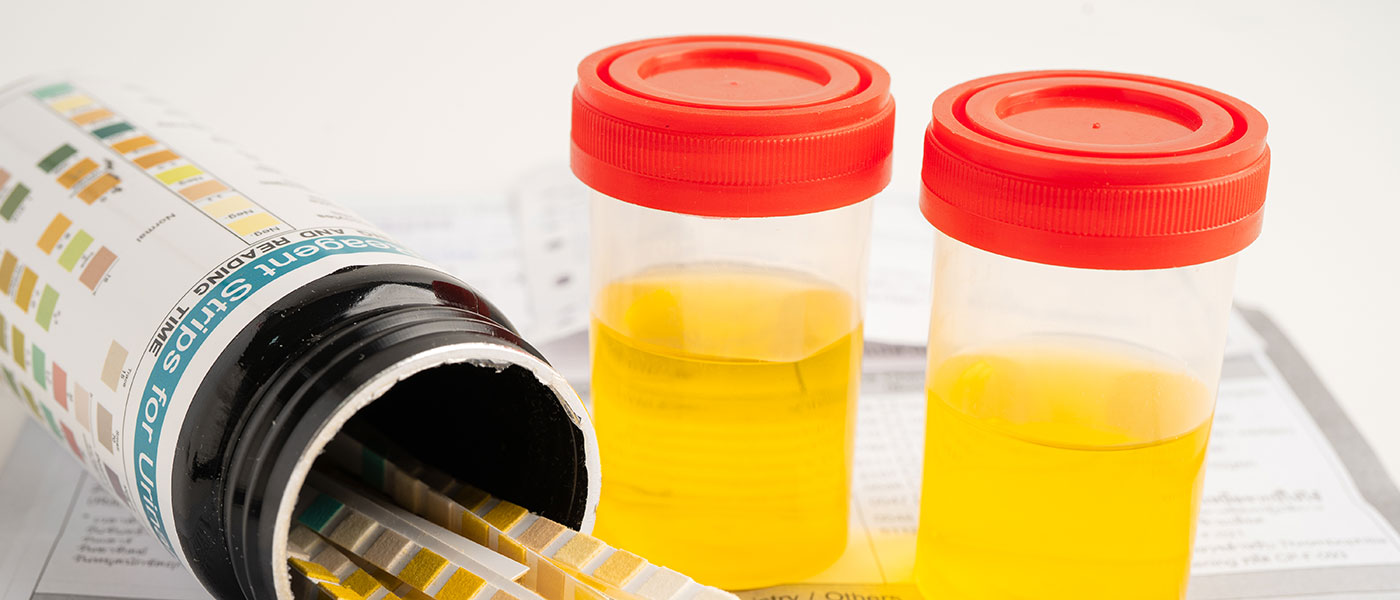
Urine testing is the most common method for drug screening in employment, treatment, and legal contexts.
What a Urine Test Is Looking For
Standard urine drug tests use immunoassay screening that looks for amphetamine-class compounds. When Lisdexamfetamine converts into dextroamphetamine, urine tests will show the substance as amphetamine. Screening urine tests that show positive results will be subject to additional confirmatory testing via methodology with greater specificity, such as GC/MS (Gas Chromatography-Mass Spectrometry) or LC/MS (Liquid Chromatography-Mass Spectrometry), which will allow for distinguishing between the various forms of amphetamine that exist [5].
Typical Urine Detection Window
For most people taking therapeutic doses of lisdexamfetamine, urine tests can detect amphetamine metabolites for approximately 1 to 3 days after the last dose. This is a general range, and your personal detection window may fall anywhere within it or occasionally outside it.
Several factors influence where you fall in this range, including the sensitivity of the specific test being used, your hydration status at the time of testing, how your kidneys function, your body composition, and whether you’ve taken a single dose or use the medication regularly.
Why Two People Can Have Different Results
Two people who take the same dose can have different urine detection windows. Urine Concentration is very much impacted by hydration, and the pH (Acidity or Alkalinity) of the urine is also relevant, as more acidic urine slightly increases the rate at which Amphetamines are eliminated from the body. Additionally, the rate of drug excretion depends on how well the kidneys function, which varies from person to person, and the speed at which drugs are metabolised and eliminated depends upon the individual’s body size, body composition, and how often drugs are used [6].
If you’re in treatment or monitoring, you should check with the laboratory, clinic, or probation officer what kind of drug panel and cutoff levels they are utilizing. Urine detection windows are not a single number that applies universally; each test scenario can have different detection thresholds.
What Factors Affect How Long Lisdexamfetamine Stays in Your Body?
Multiple individual factors influence how quickly your body processes and eliminates lisdexamfetamine:
Dose: Higher-dose drugs require a longer time to be processed and eliminated from your body than lower-dose drugs. Taking higher doses of drugs on a daily basis will result in the drug being present in your body longer than if you took the drug only once.
Genetics and Metabolism: All individuals metabolize drugs at different rates due to differences in the liver enzymes that metabolize the drugs. Generally speaking, some individuals are “fast” metabolizers and process drugs very rapidly, whereas some individuals are “slow” metabolizers.
Age and Body Composition: Age affects the rate at which an individual metabolizes drugs and how his or her kidneys function, with older adults typically metabolizing drugs at a slower rate. Body composition also impacts how drugs are dispersed in the body, as they have different appearances in the body based on body mass and fat-to-water ratios.
Urinary Excretion: Since amphetamines are eliminated from the body primarily via urination, it is to be expected that a person’s kidney function has a direct impact on how long lisdexamfetamine will remain in their system. Individuals with impaired kidney function eliminate lisdexamfetamine at a slower rate than those who do not have impaired kidney function.
Hydration and Urine Acidity: The degree of acidity or alkalinity of an individual’s urine plays a role in how quickly amphetamines can be eliminated through the urinary tract. Generally, more acidic urine will expedite the elimination of amphetamines from the body, whereas more alkaline urine can slow down the elimination of amphetamines from the body. Hydration has an impact on how concentrated the urine is, but hydration will not alter the total amount of the drug that is eliminated [2].
Other medications and substances: Some medications can interact with lisdexamfetamine or affect how your body processes it. Always tell your healthcare provider about all medications, supplements, and substances you’re using. Never combine lisdexamfetamine with other stimulants without medical supervision.
Detection by Test Type
Different drug testing methods have different detection windows for lisdexamfetamine.
| Test Type | Typical Detection Range | Notes |
| Urine | 1 to 3 days | Most common method; detection depends on test sensitivity, hydration, and individual factors |
| Blood | 12 to 24 hours | Shorter window; used in medical settings or accident investigations |
| Saliva/Oral Fluid | 1 to 2 days | Similar to urine, easier to collect and harder to adulterate |
| Hair | Up to 90 days | Detects historical use; not useful for recent use within the past week |
Urine testing is by far the most common method for workplace screening, treatment monitoring, and probation. Blood testing has a much shorter detection window and is typically used in medical emergencies or driving under the influence investigations. Salvia or oral fluid testing is becoming more popular because it’s easy to observe collections. Hair testing can detect drug use over a much longer historical period, but cannot detect very recent use.
These are general ranges. Actual detection depends on many factors, and no test can provide absolute guarantees about detection at any specific time point.
Lisdexamfetamine Misuse, Dependence, and Safety
Why “Staying in Your System” Matters for Safety
Knowing the duration of Lisdexamfetamine’s effect on your body is critical to ensure proper medical care, not just to pass a drug test. If lisdexamfetamine and/or other medications are taken before the previous dosage has been flushed out of the system, the risk of potential side effects such as elevated heart rates, high blood pressure, increased anxiety, insomnia, and even cardiovascular complications increases due to the accumulation of the drug in the system [4].
Mixing Lisdexamfetamine with other stimulants (including large amounts of caffeine, other stimulant medications for ADHD, or even illicit stimulants) further increases the potential risk of serious health risks associated with these drugs ,i.e., increased heart risk, seizures, and dangerous mental health symptoms.
When to Consider Professional Help
If you notice any of the following patterns, it may be time to reach out for professional support:
- Taking more than the prescribed amount of Lisdexamfetamine or taking it more frequently than directed
- Finishing your prescription before it’s due and then requesting early refills
- Taking Lisdexamfetamine for reasons other than what’s been approved, such as to avoid sleep so that you can work or study harder, to lose weight, and/or to obtain a drug high
- Developing withdrawal effects, such as lethargy/depression,/intense longing for the drug, whenever you go a long time without using the medication
- Using alcohol, sedatives, or other drugs to help alleviate the “up” phase of the stimulant effects
- Using Lisdexamfetamine even when it causes you more harm than good
- Believing that you cannot function normally (in life) without using the medication above the prescribed dose
These signs may indicate developing dependence or a problematic relationship with stimulant medication. Recognizing these patterns early and seeking help is a sign of strength.
What Treatment Support Can Look Like
At the Discovery Institute in Marlboro, NJ, we offer compassionate and comprehensive services to those who have an issue with stimulant drug use or addiction. We view the ADHD drug lisdexamfetamine, along with many others, as keystones in many therapeutic processes for individuals who would benefit from that medication. We recognize that while these drugs have an important role in the treatment of ADHD, they can also be abused and create an addiction in some cases.
The drug treatment services offered at Discovery Institute provide safe, medically supervised withdrawal, residential treatment that provides support on an intensive level; outpatient programs that allow people to work or go to school while receiving treatment, comprehensive dual diagnosis programs that treat both substance abuse and/or co-occurring mental health disorders, relapse prevention programs, extensive family support, and personalized therapy designed for each individual’s unique needs.
Reaching out for help is the first step towards a positive new life, whether you are worried that you are using too much of your medication or you have a family member who is abusing their prescription medication.
Frequently Asked Questions
Lisdexamfetamine is converted in the body into dextroamphetamine, which is responsible for most of its effects. Although the medication’s therapeutic benefits can last roughly 10 to 14 hours for many people, that is not the same as how long it remains detectable in the body. After the last dose, most people will eliminate dextroamphetamine within about 2 to 3 days (48 to 72 hours), though there can be meaningful person-to-person variation based on factors like metabolism, kidney function, and age. In urine testing specifically, amphetamines are often detectable for about 1 to 3 days after the last dose, but detection time can shift depending on things like urine pH, hydration, kidney health, and how frequently someone takes the medication.
Indeed, standard drug screenings do check for compounds in the amphetamine class, and lisdexamfetamine can be detected as amphetamine. If you hold a legitimate prescription, it’s important to notify the testing center in advance. Follow-up testing can differentiate between legal prescriptions and illegal use of amphetamines [5].
Vyvanse and Lisdexamfetamine refer to the same medication; the former is the trade name (or brand name) and the latter is the generic form of the product when it became available to the public after its patent protection expired. With an affordable price point, a generic version of Vyvanse (Lisdexamfetamine) became an option after the expiration of its brand-patent.
Drinking enough water will help to keep your kidneys working properly to remove drugs through the urine. While drinking more than the normal amount of water does not affect how fast drugs are processed or removed, it could dilute your urine and cause drug tests to be inconclusive and require confirmation testing [6].
The length of time most people can expect urine tests to detect lisdexamfetamine is 1 to 3 days after the last dose. However, individual factors create variability, so there’s no guaranteed timeline. If you have a legitimate prescription, inform the testing facility rather than trying to time your last dose.
If you suddenly stop using lisdexamfetamine after being on it regularly, you may experience withdrawal symptoms such as severe tiredness, depression, increased hunger, problems sleeping, and inability to focus. Speak with your physician regarding how to taper your dosage in a safe manner as opposed to halting it altogether.
Find out how we can help
Our compassionate counselors are standing by to answer any questions you may have. After helping thousands of people over the last 50 years, we have the resources to help you and your family and all your individual needs.
[1] U.S. National Library of Medicine. (n.d.). VYVANSE (lisdexamfetamine dimesylate) capsule; tablet, chewable—Prescribing information (DailyMed).
https://fda.report/DailyMed/704e4378-ca83-445c-8b45-3cfa51c1ecad
[2] Beckett, A. H., & Rowland, M. (1979). Kinetics, salivary excretion of amphetamine isomers, and effect of urinary pH. Journal of Pharmacy and Pharmacology, 31(2), 92–97.
https://pubmed.ncbi.nlm.nih.gov/25157/
[3] Mayo Clinic Laboratories. (n.d.). Amphetamine-type stimulants. https://www.mayocliniclabs.com/test-catalog/drug-book/specific-drug-groups/amphetamine-type-stimulants
[4] U.S. Food and Drug Administration. (2025). VYVANSE (lisdexamfetamine dimesylate) labeling. https://www.accessdata.fda.gov/drugsatfda_docs/nda/2025/219847Orig1s000Lbl.pdf
[5] Substance Abuse and Mental Health Services Administration. (2024). Medical Review Officer (MRO) guidance manual.
https://www.samhsa.gov/sites/default/files/mro-guidance-manual-2024.pdf
[6] Li, M., Zhao, P., Pan, Y., & Wagner, C. (2020). Mechanistic PBPK modeling of urine pH effect on renal and systemic disposition of methamphetamine and amphetamine. Clinical Pharmacokinetics, 59(7), 873–885. https://pubmed.ncbi.nlm.nih.gov/32198137/