Verify InsuranceGet Directions
Get Help Now (732) 333-3167
Discovery Institute
  • Detox
    • Alcohol Detox
    • Amphetamine Detox
    • Benzodiazepine Detox
    • Cocaine Detox
    • Drug Detox
    • Medical Detox
    • Opiate Detox
    • Prescription Drug Detox
    • Meth Detox
    • Fentanyl Detox
    • Heroin Detox
  • Residential Treatment
    • Rehab
    • Treatment for Young Adults
    • Treatment for Adults
    • Treatment for Seniors
  • Programs
    • Intensive Outpatient Program
    • Addiction Counseling
      • Individual Therapy
      • Group Therapy
      • Cognitive Behavioral Therapy
      • Dialectical Behavior Therapy
      • Equine Therapy
      • Family Therapy
    • Dual Diagnosis
      • ADHD and Addiction
      • Anxiety and Addiction
      • Bipolar Disorder and Addiction
      • Depression and Addiction
      • Eating Disorders and Addiction
      • OCD and Addiction
      • PTSD and addiction
      • Personality Disorders and Addiction
    • Holistic Addiction Treatment
    • Relapse Prevention
    • Telehealth Treatments
    • Treatment Planning
    • Vocational Services
    • Alumni Program
  • Resources
    • Blog
    • Family Support
    • Addiction Guides
      • Am I an Addict?
      • Addiction & Health Problems
      • The Stages of Addiction
      • Guide for Parents of Addicts
      • Guide for Spouses of Addicts
      • Guide for the Children of Addicts
      • Understanding Overdose
      • Going Through Withdrawal
    • Insurance Coverage
      • Verify Your Insurance
      • Aetna Insurance
      • Blue Cross Blue Shield
      • Emblemhealth Insurance
      • Prosper
      • Tricare Insurance
      • Humana Insurance
      • Oxford Healthcare
      • United Healthcare
      • MHC for Treatment
      • 1199 Insurance
      • Princeton Health/MedPro Health Insurance
      • Horizon NJ Insurance
      • New York Hotel Trade Insurance
      • NY State Empire Plan Insurance
      • Empire Bluecross Blueshield
      • Iron Workers Local #40 Insurance
      • Qualcare
      • Beacon Health Options
      • Magnacare
      • Magellan
      • Amerihealth
      • Anthem Bluecross Blueshield
    • Interventions
    • Overdose Response Initiative
      • Naloxone Finder
      • Distribution
      • Overdose Resources
    • Sober Living
    • FAQ’s
    • Helpful Links
  • About
    • Our Purpose
    • Our Team
    • Our Facility
    • Our Technology
    • Our Research
    • Our Editorial Policy
  • Contact
    • Admissions
    • Directions
    • Referral
    • Careers
Addiction
Home / Blog / Social Media and Drugs: Does it Have a Negative Influence?

Social Media and Drugs: Does it Have a Negative Influence?

Written by

Dr. Michael DeShields

Posted On: February 1, 2023
Social Media and Drugs: Does it Have a Negative Influence?

Jump to Section

Toggle
    • Table of Contents
  • How Does Media Influence Drug Use?
  • Is Social Media Also Affecting the Mental Health of People?
  • How are the Dangers of Social Media Handled During Rehabilitation?
  • Let the Discovery Institute Show You a Better Life that is Free of Dependency

Table of Contents

  • How Does Media Influence Drug Use?
  • Is Social Media Also Affecting the Mental Health of People?
  • How are the Dangers of Social Media Handled During Rehabilitation?
  • Let the Discovery Institute Show You a Better Life that is Free of Dependency

The early 2000s saw the onset and rapid proliferation of the phenomenon known as social media. Social media is notable for seeing a meteoric rise from the days that people first got into it into the massive communication juggernaut that it is now. Sadly, it has also led to some of the negative aspects associated with such an open form of communication. One example is the perceived connection between drugs and social media.

At Discovery Institute in Marlboro, New Jersey, we studied the connection between social media and drugs and how they can have damaging side effects. The results have enabled us to help people with various addictions recover successfully.

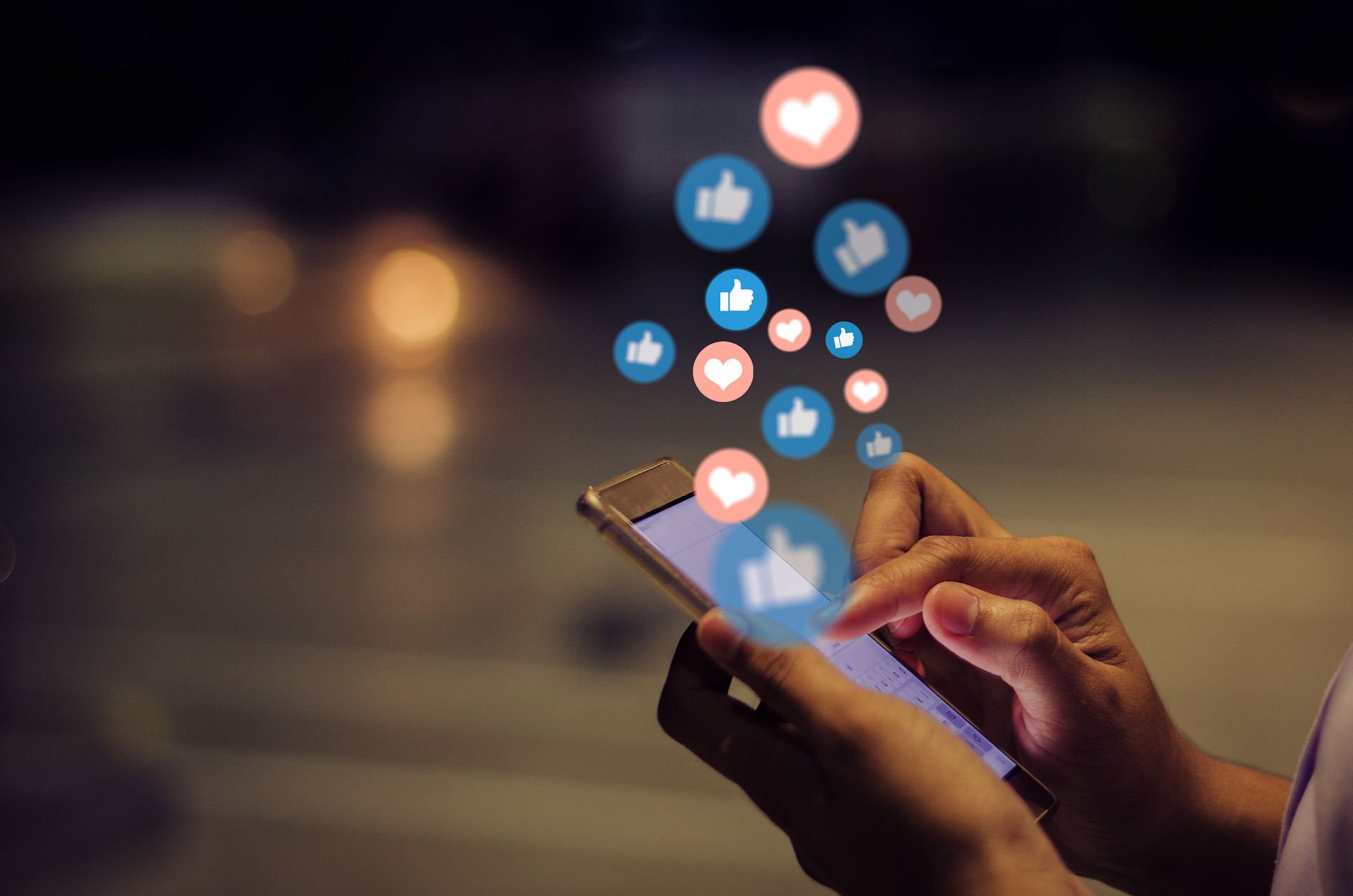
social media and drugs

How Does Media Influence Drug Use?

Even before the advent of social media, there has always been a contention that modern media forms have always included direct or indirect mentions of alcohol and drug use. Many have even pointed out that many of these modern media forms blatantly portray and even glorify the use and enjoyment of substances as part of celebrations and social events.

Mentions in Contemporary Music

Alcohol and drugs have largely figured in contemporary music, in both the lyrics of songs and in the music videos that accompany the music. This, in itself, delivers a powerful subliminal message to many, particularly those susceptible to such, that the use of alcohol and drugs is not just acceptable, but it is also quite fashionable and is often the rite of passage to the “in” crowd.

Celebrities Known to Promote Alcohol and Drug Use

Many people identify with celebrities, hungrily following stories of their lifestyles, opinions, political stance, and even preferred vices. As the use of marijuana has largely been legalized in at least 21 states in the United States in 2022.

Celebrities could be seen in their shared videos on social media and video-sharing sites using either alcohol or marijuana, or both. Those who are immensely drawn to the celebrities they follow would almost certainly try to emulate the lifestyle of their idols, particularly with what the celebrities consider as their “recreational activities,” which typically include alcohol and perhaps even marijuana.

Alcohol Promoted as a Social Norm in Advertising and Marketing

The world of advertising is one of the most creative areas in modern media, where the biggest brands and the most expensive products vie for consumer attention with immensely imaginative ideas. This necessarily includes products like alcohol, which is a major driver of advertising campaigns all over the world. The sad part about this is that because all the advertising agencies running alcohol campaigns are trying to outdo each other, the advertisements they come out with all contain powerful subliminal messages coaxing consumers to buy and consume more alcohol.

Fanned Flames of Curiosity Over Social Media

A huge chunk of the social media crowd is made up of younger people who use it as a primary form of communication. This is mostly where they exchange ideas and keep in touch with each other now. As social media allows them to be in touch practically every single moment they are awake, they are also able to freely talk about things they are curious about.

Statistics on drug use and alcohol show that a large percentage of young people who have tried it did so out of curiosity, and with the massive reach of social media, this curiosity could certainly get around much faster and easier.

Is Social Media Also Affecting the Mental Health of People?

The nature of social media is such that any ideas shared over it could spread much easier. This includes photographs, videos, and stories of people’s daily lives. While many could see this as a good thing, some might not benefit from it, particularly those who might have mental health issues.

Social Media as a Source of Depression

People typically use social media to feature most of their happy moments, posting photos or videos of the best occasions they’ve been on, which could certainly be less than pleasant for others. This is particularly true for those who would want to have such happy moments in their lives. It could be photos or videos of a partner, a new promotion, a new family member, or even just a new pet, and it could be enough to push someone into depression as they realize they don’t have those things. This is why many people believe that social media is perhaps the greatest depression trigger of the digital age.

Social Media as a Source of Anxiety

Apart from happy moments, social media also happens to be where adrenaline junkies also post their latest daring stunts. Video-sharing sites are full of short clips or even documentary-style videos of people who start with a “don’t try this at home” disclaimer at the beginning of their post, which almost always guarantees that everything else that follows would be difficult for the faint of heart to see. This provides a definite source of anxiety for many, which is also an ironic testament to the peculiarity of humans where they could not look away from possible scenes of injury or worse.

Social Media as a Source of Paranoia

One of the worst things that people post on their personal social media pages is “documentation” and supposed proof of conspiracies and other accounts of things that could easily drive people to live in fear of clandestine events that could affect them in one way or another. Much like the attraction that people have for dangerous events, many are strangely drawn to conspiracy theories posted online, which in turn feeds their paranoia of everything around them.

Social Media as a Source of False or Wrong Information

With the proliferation of video and photo editing tools, it is now immensely easy to create seemingly authentic bits of media that many are so willing to believe as true. This is a real danger to many as it could be highly damaging to people who might just be victims of a smear campaign, or when the information could result in someone getting hurt. Some appear to draw pleasure from creating such falsehoods and derive even greater pleasure when they know that some believe the things they post.

How are the Dangers of Social Media Handled During Rehabilitation?

A person who is in addiction treatment is in a particularly vulnerable state, as their mind and body adjust from being drug or alcohol-addled to being free of their dependencies. This is why therapists and clinical personnel who attend to people in rehab do their best to ensure that the patients are cared for and protected from any further stress, such as the kind one might find on social media.

Medical Detox

Medical detox is a part of rehabilitation where the patient could go through all the stress they could endure. Being prevented from taking any more of the substance that the patient was addicted to is already an agonizing experience, which could be made much worse when the withdrawal symptoms begin. In many cases, patients could require medical attention to help deal with what they are going through. This leaves them in a state where they are not able to do much of anything, including spending time on social media.

Rehabilitation

Depending on what particular rehabilitation program a patient is in, there could be little to no exposure at all to social media, as the patient is intentionally made to partake in activities that are designed to help them get their minds off using substances once more. Most of the time, patients are involved in activities that fuel their creativity, encourage them to open up about their troubles, and prepare them to re-integrate into the world outside of the rehabilitation facility. Social media would simply be a distraction during rehab and could interfere with their recovery.

Therapy

For those who are having difficulty adjusting to a life without substances, the therapy sessions could prove to be a little more intense than usual, as this phase of the treatment is where the patient is supposed to develop the skills and mindset that will help them stave off recurring cravings to take substances again.

Many who fall into a relapse are those who did not quite resonate with their therapy, which is why a therapist always spends a good amount of time trying to understand the patient, to make an assessment that leads to the most suited form of therapy.

Support Groups

The most powerful tool used by support groups to help someone in rehabilitation is connection. Members of a support group are encouraged to build a rapport with each other so that they are better able to participate in the talk therapy sessions, and also help each member of the group as well.

While support group sessions might not be as strict as the therapy done within the confines of a rehab facility and members could be allowed to have mobile devices with them, it would simply be rude to engage in any other activity while the group is in session, which is why social media does not have a place in group therapy as well, apart from the fact that certain group therapy programs ensure privacy as well.

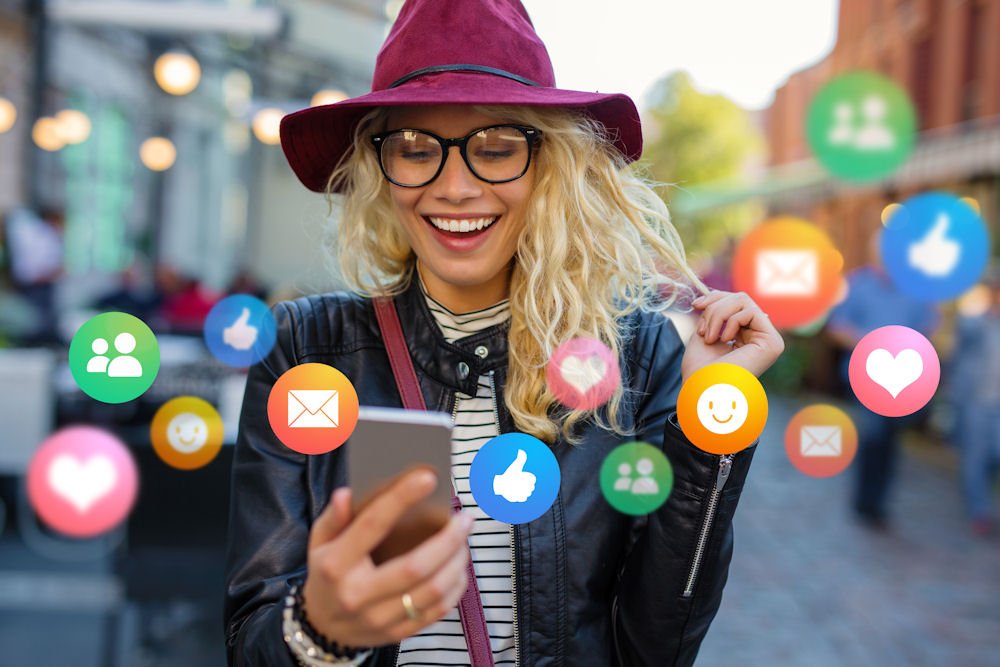
drugs and social media

Let the Discovery Institute Show You a Better Life that is Free of Dependency

Dependency is very similar to a prison, as it limits the quality of life and freedom of the person who has it. The difference is that the person with the dependence issue is the one who built this prison. This is why we here at the Discovery Institute make a point to help people understand that there is a way out of dependency, and the first step to freedom is the willingness to seek it. We can help you find that freedom, contact us today.

Dr. Michael DeShields

Clinical Advisor

Read More

Need Professional Help With Addiction?

  • New Jersey Addiction Treatment
  • Addiction & Mental Health Programs
  • Intensive Outpatient Program (IOP) in New Jersey
  • Dual Diagnosis Treatment in New Jersey
  • Drug & Alcohol Detox Programs

Addiction Recovery & Detox

  • Depressant Drugs: Long-Term Side Effects
  • Involuntary Commitment Laws in New Jersey
  • Sleeping Pill Addiction
  • How to Find an AA Sponsor
  • 10 Common Questions About Alcohol Detox
  • Foods That Fight Depression
  • How Substance Abuse Affects Marriage

Drug & Substance Abuse FAQs

  • What Do Shrooms feel Like?
  • How Does Drinking Affect the Thyroid?
  • Can Adderall Cause a Heart Attack?
  • Can You Overdose on Cough Drops?
  • Does Alcohol Cause Mood Swings?
  • Are You Dealing With Dry Drunk Syndrome?
  • How Does Alcohol Affect Cortisol?
  • Do Illegal Drugs Cause Hair Loss?
  • What Drugs Cause Dilated Pupils?
  • Can Alcohol Abuse Cause Multiple Sclerosis?

Are You Covered For Insurance Treatment?

Insurance Logo
Insurance Logo
Insurance Logo
Insurance Logo
Insurance Logo
Insurance Logo
Learn More

Our Editorial Policy

The Discovery Institute aims to provide accurate, ethical, clinically sound information regarding addiction and mental health for individuals and their families. All content published by The Discovery Institute is reviewed for accuracy and clarity by qualified individuals and is medically reviewed. We aim to make complicated subjects easy to understand without resorting to fear-based marketing techniques or misleading assurances. Content is regularly reviewed and updated to reflect current best practices, ensuring readers receive reliable, supportive guidance.

Read More About Our Process

Copyright © 2026 Discovery Institute. All Rights Reserved.

Accessibility Toolbar

  • Powered with favoriteLove by Codenroll

GET IN TOUCH

We’re Ready When You Are.

Call 24/7 to have a discussion with one of our treatment professionals the call is completely free. Admission Line and explanation of convenient private phone and free prescreening.

Need Help? Contact Us

(732) 333-3167


Schedule Your Admission

Free assessment and 100% confidential  
  • This field is for validation purposes and should be left unchanged.
Footer Logo
  (732) 333-3167
  80 Conover Rd
Marlboro, NJ 07746
       
Joint-Commission

About Discovery

  • About
  • Meet Our Staff
  • Admissions Information
  • Contact Us
  • Get Directions
  • Review Us
  • Find Us On the Web
  • COVID-19 Protocols

Rehab & Treatment

  • Rehab Programs
  • Drug Rehab
  • Alcohol Detox
  • Drug Detox

Get Directions

Map

Addiction Resources

  • Learn About Addiction
  • Am I An Addict
  • Common Rehab Questions
  • Insurance Verification

Copyright © 2025. All Rights Reserved. Discovery Institute Recovery Center | Privacy Policy | Accessibility

Jump to Section

×
    • Table of Contents
  • How Does Media Influence Drug Use?
  • Is Social Media Also Affecting the Mental Health of People?
  • How are the Dangers of Social Media Handled During Rehabilitation?
  • Let the Discovery Institute Show You a Better Life that is Free of Dependency
→ Table of Contents