Alcohol Withdrawal Dreams

People who have an alcoholic drink late at night might find that they’re able to fall asleep easier. The nightcap is a concept for a reason. As said before, alcohol works as a CNS depressant, so sleep is much easier to achieve–initially. As a psychoactive drug, alcohol causes our bodies to put in more effort to maintain its regular functionality. However, this may be unnoticeable until those with an alcohol use disorder try to cut down or quit.
Everyone’s body maintains a regular state, which alcohol can disrupt. This is especially true for individuals suffering from an alcohol use disorder. After a time, the body and brain get used to the way alcohol affects them both. So, when individuals cut down or completely abstain from drinking after long periods of regular drinking, it can affect the sleep cycle.
The Sleep Cycle and Alcohol Withdrawal Dreams
According to the Sleep Foundation, there are four stages of sleep. Each cycle lasts different lengths of time and serves a different purpose. There are two types of sleep stages: non-rapid eye movement (NREM) and rapid eye movement (REM). They are as follows:
- 1st Stage – The first stage of the sleep cycle, or N1 (NREM type sleep), lasts only one to five minutes. This time may vary depending on the individual.
- 2nd Stage – N2 (NREM type sleep) is one of the longest sleep cycles. It can last anywhere from 10 to 60 minutes, depending upon the person.
- 3rd Stage – The third stage of sleep is a slow-wave sleep cycle. Delta wave sleep or deep sleep makes up this cycle. This important stage of sleep is NREM type sleep and is known as N3. It lasts about 20 to 40 minutes.
- 4th Stage – The fourth stage of sleep is REM sleep. It lasts approximately 10 minutes to one hour. REM sleep is crucial for brain function and makes up about 25% of the sleep cycle. Dreams commonly occur in REM, rather than most of the other stages.
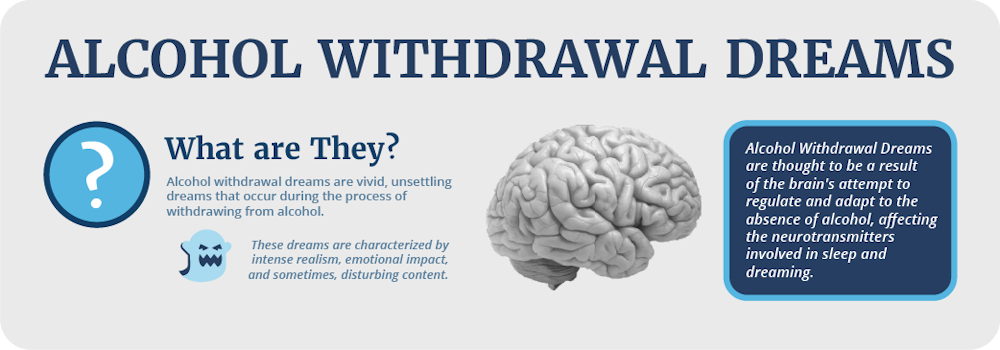
Alcohol can cause an irregular REM cycle, called REM rebound. This applies to those who drink regularly and to those who don’t. That said, it more deeply affects those who have an alcohol use disorder. Alcohol withdrawal dreams are one symptom of the body and brain reacting to the lack of alcohol. Those with an alcohol use disorder experiencing REM rebound will have vivid nightmares that are hard to separate from real life.
How Long Do Vivid Dreams Last After Quitting Alcohol?

Alcohol and alcohol cessation can make the brain go haywire. But luckily, this is only temporary. Typically sleep cycle imbalance will be resolved after 1-2 weeks of not drinking any more alcoholic beverages. However, those with an alcohol use disorder may experience up to 2-3 weeks of REM rebound before their sleep cycle gets back on track.
Most people occasionally have dreams that leave them feeling uneasy and stressed. Yet, when these nightmares are triggered by alcohol withdrawal symptoms, they can be very difficult to get through. It’s important not to give in and drink again because like the discomfort of a headache or anxiety from insomnia, this experience will soon pass with the right help.
What Other Symptoms Accompany Alcohol Withdrawal Dreams?
Alcohol use disorder can cause a complicated series of alcohol withdrawal symptoms. Alcohol withdrawal dreams being one of them. Along with alcohol withdrawal nightmares, individuals may experience other alcohol withdrawal symptoms that can affect sleep. For example, these can include sleep disruption, insomnia, and hyposomnia.
Other alcohol withdrawal symptoms can include:
Depression Anxiety Issues with concentration Fatigue Jumpiness Mood swings Increased irritability Bodily aches and pains Vomiting and nausea Irregular heartbeat Excessive sweating Tremors Change in eating habits
Unlike other drugs, alcohol can cause both physical and psychological dependence. People struggling with an alcohol use disorder may experience some or all of these symptoms as their body acclimates to the lack of alcohol in their system. Thus this makes it even more difficult to stop drinking and easier to relapse after stopping.
Delirium Tremens
One of the reasons why alcohol detox is crucial is because sometimes individuals with an alcohol use disorder may experience extreme alcohol withdrawal symptoms. These extreme alcohol withdrawal symptoms are delirium tremens (DTs). A reputable alcohol detox and treatment center can help members overcome the worst of symptoms in a safe environment.
Without medical supervision, those suffering from DTs may experience:
- Seizures
- Extremely vivid nightmares
- Hallucinations
- Light sensitivity
As DTs are dangerous, these symptoms could lead to an emergency room visit. Fortunately, facilities such as Discovery can help members avoid a trip to the ER room. Of course, individuals may still experience DTs during medical detox, but medical supervisors can make sure withdrawal is free of danger.
Detox for Alcohol Withdrawal Dreams
Detox is a vital process before individuals can enter alcohol addiction treatment. The medical staff at detox and rehab centers for alcohol use disorder will help clients get rid of any substances left in their system. This helps members avoid withdrawal symptoms, manage health issues arising from substance abuse, and monitor health status as they detox. Withdrawal symptoms are not something anyone should experience unnecessarily due to the life-threatening nature that some people might face without medical supervision.
Medical staff at an addiction treatment facility can help clients avoid withdrawal symptoms through medicine. During alcohol withdrawal, benzodiazepines may be prescribed to alleviate insomnia and anxiety while a member’s body adjusts from drinking heavily for weeks or months on end. This is often more effective than using over-the-counter sleep aids that aren’t designed specifically for the effects of alcohol withdrawal symptoms in mind; however, it should be noted that benzo use comes with its own associated risks like dependency so medical professionals will usually recommend avoiding them if possible.
Treatment for Alcohol Withdrawal Dreams
Inpatient Care for Alcohol Use Disorder
Inpatient treatment allows members to live at an addiction treatment facility as they overcome their addiction. This is beneficial, especially for those who don’t live in an environment that allows them to heal properly. There are two types of inpatient treatment: residential and standard inpatient. Standard inpatient care is almost like staying at a hospital, making it best for those with a severe alcohol use disorder. On the other hand, residential inpatient care still has members stay at the facility but allows for more holistic activities. Also, members of this kind of program will have more leisure time.
Outpatient Care for Alcohol Use Disorder
While inpatient forms of care arguably can offer the surest route to sobriety, that isn’t always an option for everyone. Hence, outpatient care might be the best option to overcome an alcohol use disorder. Outpatient programs allow individuals to receive treatment without the requirement of living at an addiction treatment facility for the duration of the program. There are several outpatient programs that may serve one individual more than another (partial hospitalization programs, intensive outpatient programs, and general outpatient programs).
Let Discovery Institute Help You Overcome Addiction Today
Alcohol withdrawal dreams can be a nightmare to overcome. Yet, the right facility can help you overcome symptoms such as these and addiction overall. Call Discovery Institute for more information on the safest way to detox and overcome alcohol withdrawal safely.