The Relationship Between Alcohol And Fitness
Alcohol and fitness generally have a conflicting relationship. While moderate amounts of alcohol can be part of a healthy lifestyle, overconsumption of alcohol has been linked to numerous negative health outcomes — including weight gain and an increased risk for other chronic illnesses.
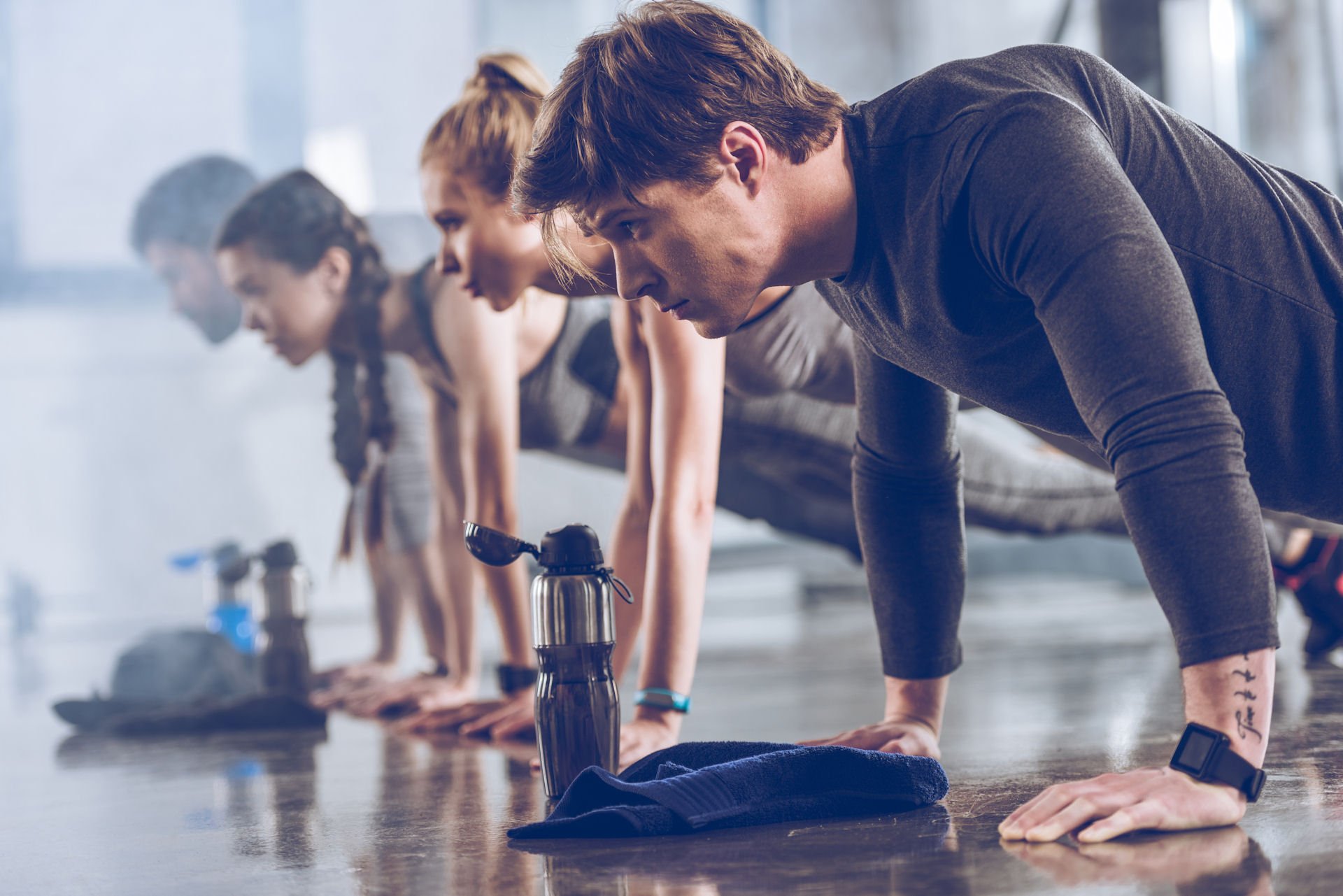
Regular physical activity is essential for maintaining good health and reducing the risk of disease. Unfortunately, excessive alcohol consumption can interfere with physical performance. Alcohol impairs coordination and balance and decreases reaction time, which can put drinkers at higher risk for injury when engaging in physical activities.
Heavy drinking also increases the chance of dehydration due to its diuretic effect. Dehydration can lead to exhaustion and decreased power output during exercise or physical activity. Long-term alcohol abuse also has detrimental effects on muscle and bone strength. Alcohol impairs the ability of muscles to repair themselves post-exercise, leading to poor performance during athletic activities and a weakened immune system.
The Effect of Alcohol on Your Muscles
 Alcohol has a direct effect on the muscles in the body. When consumed, alcohol interferes with neurotransmission and affects muscle coordination. This impairment of motor skills can lead to poor balance, slurred speech, and an increased risk of falls or other injuries. Alcohol also impairs blood circulation, which further affects muscle function since oxygen-rich blood is essential for muscle growth and repair.
Long-term alcohol abuse can lead to muscle weakness, decreased flexibility, and poor coordination. It also increases the risk of developing chronic pain conditions such as fibromyalgia or sciatica. Moreover, drinking alcohol may reduce testosterone levels in men, which can negatively affect muscle strength.
In addition to all of this, people who drink alcohol are more likely to become dehydrated, which can lead to further muscle weakness and fatigue. Finally, excessive drinking can disrupt sleep patterns and cause a lack of restorative rest. All of these factors can contribute to poor overall health and weaken muscles over time.
The Relationship Between Alcohol and Your Health
Alcohol has both positive and negative effects on health. In moderation, consumption of alcohol can have beneficial effects on overall heart health, such as reducing the risk of developing certain types of coronary heart disease. However, drinking too much alcohol is associated with a host of serious health problems including the following:
In addition, alcohol can increase the risk of developing several chronic diseases like type 2 diabetes, high blood pressure, and stroke. As such, it is important to understand how much alcohol consumption is considered moderate and how to reduce the overall health risks associated with drinking. Unfortunately, alcohol will continue to be abused despite the damage it causes to the health of individuals and society in general.
The Centers for Disease Control and Prevention (CDC) defines moderate drinking as up to one drink per day for women, and up to two drinks per day for men. This means that an individual should not consume more than two alcoholic beverages in a single day or no more than 14 drinks per week. It is also important to note that this definition of moderate drinking does not apply to all individuals. For example, those who are under the age of 21 or pregnant women may need to abstain from drinking altogether.
How Drinking Affects Your Body: Why It Matters When It Comes to Exercise
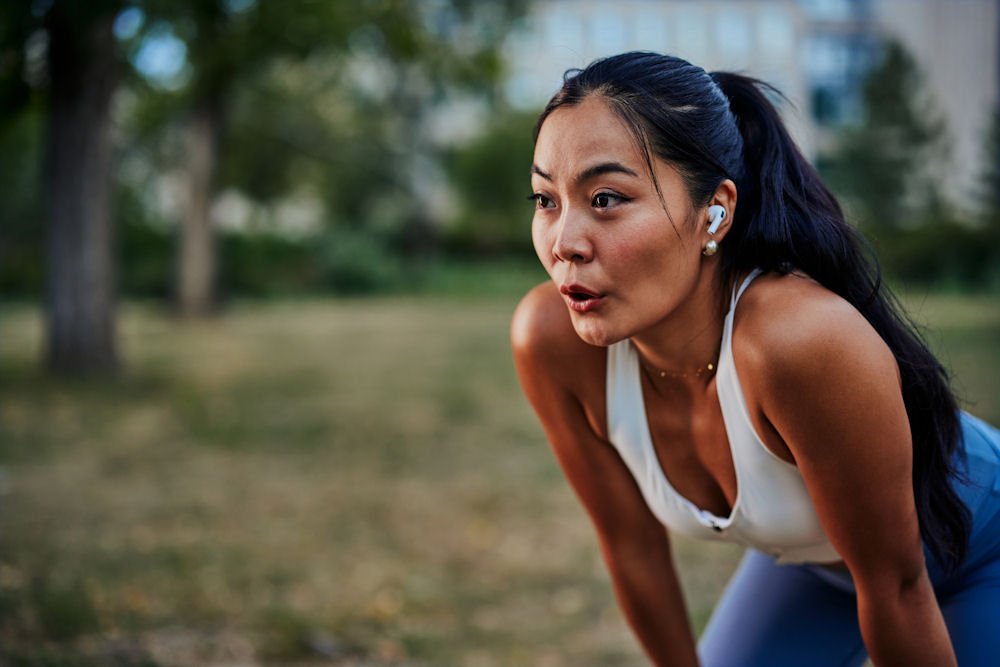
It is important to consider the amount of alcohol you consume when you are exercising, as it can have a significant effect on your performance. Drinking too much alcohol before or during exercise can lead to dehydration and impair your motor coordination and judgment, making it difficult to perform at your best. Additionally, drinking alcohol can interfere with your body’s ability to use energy from carbohydrates, making it harder to sustain the energy needed for physical activity.
Alcohol can also negatively affect your body’s ability to regulate its temperature, leading to an increased risk of heat exhaustion or hypothermia (dangerously low body temperatures). This is especially true if you are exercising in hot climates and not consuming enough water. Finally, drinking alcohol after exercise can delay your body’s recovery time, making it more difficult to reach and maintain peak physical performance levels.
What Happens If You Drink Before Working Out?
Drinking before working out can harm your performance. It can impair your coordination, reduce reaction time, and impair judgment which can result in an increased risk of injury. Alcohol also suppresses the body’s ability to produce energy, making it harder to maintain intensity during physical activity. Furthermore, drinking alcohol can lead to dehydration as it is a diuretic, which means that your body will lose water more quickly than usual, leading to fatigue and cramping.
In the long run, consuming alcohol before exercising can lead to reduced muscle growth because it reduces protein synthesis processes. It may also lead to an increased risk of developing certain health conditions like obesity and high blood pressure. Ultimately, it is important to be aware of the potential negative impacts that drinking alcohol can have on physical performance and overall health. By making smart decisions when it comes to alcohol consumption, you can ensure that your body stays healthy and performs at its best.
What About Pre-Workout and Alcohol?
Mixing pre-workout and alcohol can be a dangerous combination that could lead to serious health consequences. Pre-workout supplements are often loaded with stimulants, such as caffeine and other stimulant compounds, which can cause an increase in heart rate and blood pressure when combined with alcohol. The combination of these two substances could put unnecessary strain on the cardiovascular system, leading to an increased risk of stroke or heart attack.
Additionally, pre-workout supplements can also increase dehydration levels due to their diuretic effects, which can make alcohol intoxication more severe. Pre-workout and alcohol should never be mixed to avoid these potential risks. It is important to note that not all pre-workout supplements are created equal. Some products may contain ingredients that could interact with alcohol, such as niacin, while others may lack key nutrients that can help reduce the effects of alcohol on the body. It is essential to read labels carefully and check for any potential interactions with alcohol before consuming any supplement or alcoholic beverage.
What is Pre-Workout?
On the other hand, pre-workout supplements are designed to help improve athletic performance and provide much-needed energy for workouts. These products typically contain natural ingredients such as caffeine, amino acids, and B vitamins that give you a boost in energy while promoting muscular strength and endurance. Pre-workout supplements can also help to improve mental alertness, focus, and concentration during workouts.
What About Having a Drink After You Exercise?
It is generally not recommended to drink alcohol immediately after exercise. Alcohol may interfere with the body’s ability to recover properly, as it can reduce the rate at which muscles rebuild and repair themselves. Additionally, drinking alcohol soon after exercise can lead to dehydration due to its diuretic effects. Drinking too much alcohol can also increase the risk of heat exhaustion or heat stroke.
It is important to rehydrate with water after exercise instead of drinking alcohol. It is also recommended to wait at least two hours after exercising before drinking anything besides water. This time allows the body to restore its electrolyte balance and gives the heart rate a chance to return to its normal resting state.
How an Alcohol-Heavy Lifestyle Affects Overall Fitness
Alcohol consumption can have a major impact on physical fitness. Alcohol is known to be high in calories and is often associated with an unhealthy lifestyle which can lead to weight gain. When people consume alcohol, their bodies are less able to utilize the nutrients from food properly, leading to poorer nutrition and overall health.
Additionally, drinking alcohol reduces the body’s ability to build muscle and can lead to loss of lean body mass. Furthermore, alcohol affects sleep quality, which can lead to fatigue and poor performance when exercising. Finally, alcohol causes dehydration, leading to decreased energy levels and reduced stamina during exercise.
Recover From Alcohol Addiction at Discovery Institute
At Discovery Institute in New Jersey, we want those who struggle with alcoholism to move toward sobriety and stability. We do this by offering comprehensive treatment for substance use disorder tailor-fit to an individual’s needs. Individualized care is crucial for recovery success. If you or a loved one would like to find out more, you can contact us here.

 Alcohol has a direct effect on the muscles in the body. When consumed, alcohol interferes with neurotransmission and affects muscle coordination. This impairment of motor skills can lead to poor balance, slurred speech, and an increased risk of falls or other injuries. Alcohol also impairs blood circulation, which further affects muscle function since oxygen-rich blood is essential for muscle growth and repair.