April marks Multiple Sclerosis (MS) Awareness Week—a time to shine a light on the often misunderstood condition of MS and to spread awareness about factors that may influence its development and progression. One of the growing concerns in public health is the role of substance abuse, especially alcohol and illicit drugs, and its potential connection to neurological diseases such as multiple sclerosis.
While there is no confirmed, direct cause-and-effect relationship between drug abuse and the onset of MS, emerging research and clinical experiences suggest that substance abuse can influence the course of the disease, exacerbate symptoms, and complicate management. This article explores how alcohol and MS interact, including the role of drug abuse, the associated risks, and what individuals living with MS need to know to protect their health.
What is Multiple Sclerosis (MS)?
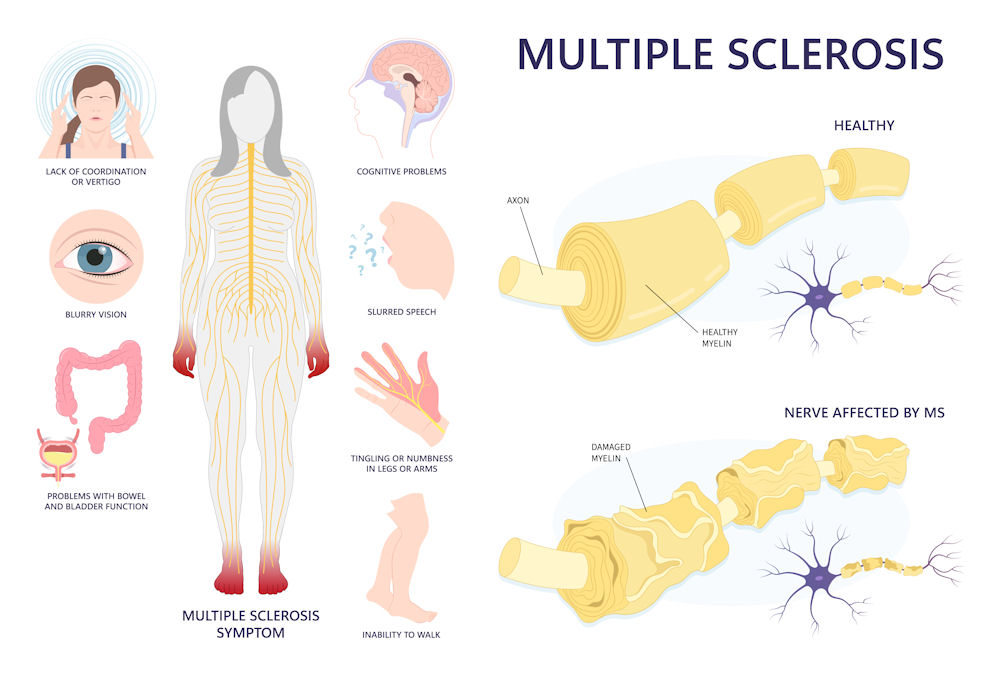
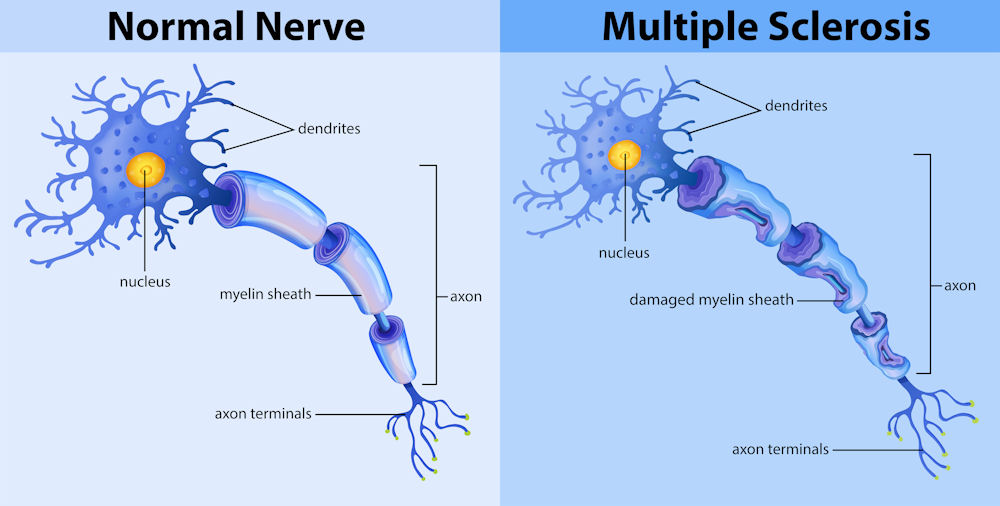
Multiple sclerosis is a chronic autoimmune disorder that affects the central nervous system (CNS)—the brain and spinal cord. In people with MS, the immune system mistakenly attacks the protective covering of nerve fibers, known as myelin, causing communication problems between the brain and the rest of the body. Over time, this can result in permanent nerve damage and deterioration of bodily functions.
MS can manifest in a variety of symptoms, including:
- Fatigue
- Vision problems
- Muscle weakness
- Coordination and balance issues
- Numbness or tingling
- Memory and cognitive difficulties
MS is unpredictable. It can progress differently for every person, making management and treatment highly individualized. Most experts agree that a combination of genetic predisposition and environmental factors (such as infections, smoking, and low vitamin D levels) triggers MS. Substances like alcohol and drugs are still being studied but are increasingly relevant, especially as these substances affect immune function and the nervous system.
The Connection Between Alcohol and MS
Alcohol is a known central nervous system depressant that alters the way your brain communicates with the rest of your body. Because MS is a disease that disrupts these same communication pathways, it’s important to understand how alcohol might impact someone with MS, or possibly even influence the risk of developing the disease in the first place.
Interaction Between Alcohol and Multiple Sclerosis (MS)
One of the most pressing questions is whether alcohol can directly cause MS. So far, research does not support the idea that drinking alcohol causes MS. However, studies suggest that alcohol can influence how the disease behaves once it has developed. MS affects the immune system, and alcohol is known to suppress immune function. While this might sound helpful, MS is an autoimmune condition that can worsen symptoms or increase the risk of infections and other complications.
Moreover, alcohol damages organs like the liver, which is essential for metabolizing medications. MS patients often rely on long-term pharmacological treatments, so a compromised liver can interfere with drug metabolism and efficacy.
Alcohol can also increase the risk of other diseases, such as heart disease, cancer, and diabetes, all of which complicate MS management. In addition, excessive alcohol use can affect mental health, potentially worsening depression and anxiety, common comorbid conditions for people with MS.
Does Drinking Alcohol Make MS Worse?
For some, alcohol may appear to reduce stress or dull discomfort, but these short-term effects can be misleading. Alcohol can increase fatigue, worsen coordination, and impair judgment—symptoms that are already present in many people with MS. This means even small amounts of alcohol might amplify existing MS symptoms.
Furthermore, alcohol is a diuretic, which increases the need to urinate. Since bladder dysfunction is already a common MS symptom, drinking can add unnecessary discomfort and inconvenience.
How Much Is Safe to Drink With MS?
There’s no universal answer. While moderate alcohol use (e.g., one drink per day for women and two for men) may be safe for some people with MS, it’s best to consult a healthcare provider. The key factors include:
- The individual’s MS subtype and progression
- The medications being taken
- Any existing comorbid conditions
- The person’s tolerance and past alcohol use history
Erring on the side of caution is advised. For those with progressive forms of MS or those on medications that interact with alcohol, abstaining may be the safest choice.