The Link Between Alcohol and Cortisol
The relationship between alcohol and cortisol is very complex, and there’s no one-size-fits-all answer. Cortisol levels can be affected by alcohol consumption in both the short and long terms.
In the short-term, alcohol can cause a decrease in cortisol levels. This is because drinking alcohol may have calming effects on the body. It lessens the body’s response to stress by reducing the release of cortisol. This may contribute to the pleasure and feelings of relaxation that some drinkers experience.
However, in the long term, heavy alcohol consumption can cause cortisol levels to increase. It can interfere with the body’s ability to regulate cortisol levels, which results in elevated levels of cortisol over time. Prolonged alcohol use can also damage the liver and other organs.
Long-term alcohol consumption may also affect the body’s capacity to react to stress. It can increase the stress response and raise cortisol levels. As a result, there may be a higher risk of experiencing stress-related health issues like anxiety, depression, and sleep disturbances.
If you’re trying to manage your stress levels, it’s important to be aware of the role alcohol can play.
Stress and Alcohol Use Disorder
 Stress can contribute to the development of alcohol use disorder (AUD). Many people turn to alcohol to cope with stress or difficult emotions, which can lead to an unhealthy dependence on alcohol over time.
Chronic stress can also lead to changes in the brain that make it more difficult to control alcohol use. Stress can increase the release of cortisol, which can interfere with the brain’s reward system and make alcohol use more rewarding. This can create a cycle of dependence on alcohol as a way to cope with stress.
In addition, people with AUD often experience high levels of stress and anxiety, which can make it difficult to quit drinking or stay sober. This can create a vicious cycle in which alcohol use contributes to stress and anxiety, and stress and anxiety contribute to alcohol use.
It’s important to find healthy ways to manage stress, such as exercise, mindfulness, or seeking professional help, rather than relying on alcohol as a coping mechanism. If you are battling with AUD and stress, a treatment program may be what you need.
Managing Stress and Cortisol Spikes
Alcohol is a stress reliever, but it can also increase cortisol levels. For some of us, consuming alcohol in moderation can be a healthy way to relieve stress. But for others, alcohol can lead to cortisol spikes, which can have negative effects on our health. Undoubtedly, it can be difficult to break the habit of drinking to cope with stress, but not if you know how to stop doing it! Here are some useful suggestions for managing stress and cortisol spikes.
7 Healthy Stress Management Techniques
Although stress is a natural part of life, it can occasionally be too much to handle. There are, however, a variety of ways to enhance your overall stress management and lessen the bad consequences of it, including stress drinking. Below are some of them:
- Identify your stressors. Take some time to identify the things that trigger your stress. Once you know your stressors, you can work on finding ways to manage them.
- Exercise regularly. Exercise is a great way to reduce stress, lower cortisol levels, and improve your overall health. Find an exercise routine that works for you, such as walking, yoga, or weight lifting, and stick with it.
- Practice relaxation techniques. Relaxation techniques such as deep breathing, meditation, and progressive muscle relaxation can help reduce stress, lower cortisol levels and promote relaxation. Mindfulness techniques such as yoga, meditation, or deep breathing can also help stay focused on the present moment and reduced anxiety.
- Get enough sleep. Lack of sleep can increase cortisol levels and make it more difficult to manage stress. Aim for 7-8 hours of sleep each night.
- Eat a healthy diet. Eating a balanced diet can help reduce stress and prevent cortisol spikes. Focus on whole foods such as fruits, vegetables, whole grains, and lean proteins.
- Seek support. Join a support group, talk to a therapist, or confide in a trusted friend or family member. Having a support system can help you manage stress and stay motivated to avoid alcohol.
- Discover healthy ways to deal with stress. Try journaling, listening to music, taking a relaxing bath, or doing other stress-relieving activities rather than drinking alcohol.
4 Effective Cortisol Management Techniques
 If you’re like most people, I’m sure you know the connection between alcohol and cortisol. Alcohol can increase cortisol levels, and when it does, it makes us feel sleepy, relaxed, short, and sedated. Cortisol can be managed better in several ways, some of which are included below:
- Drink in moderation. If you’re trying to decrease or avoid cortisol levels, don’t overdo it. Drinking in moderation can help you feel more in control and avoid any negative consequences.
- Avoid drinking on an empty stomach. Drinking on an empty stomach can increase cortisol levels as it increases the stress hormones that are released. If you’re trying to work out the next day, drinking on an empty stomach can also decrease your performance, as it leads to a decrease in energy and stamina.
- Avoid drinking before bed. Drinking alcohol before bed can disrupt your sleep and lead to further cortisol problems in the morning.
- Drink plenty of water. Not only will drinking plenty of water help you avoid dehydration, but it will also help you manage your stress levels and cortisol levels.
Keep in mind that managing stress or breaking a habit, like drinking alcohol, is a continuous effort. It may take time to find what works best for you. Be patient and kind to yourself as you work on improving your stress management skills. Seek help from your family and loved ones, or better yet, seek professional help if you are struggling. The key is to set realistic goals! It can help you feel more in control of your life and reduce stress when you have doable goals.
Recover From Alcohol Addiction at Discovery Institute
Remember that breaking any habit takes time and effort, and making mistakes along the way is okay. Discovery Institute offers comprehensive detox and the substance abuse treatment program you or a loved one will need. Contact us today and learn how to stop stress drinking and healthily manage stress.


 Stress can contribute to the development of alcohol use disorder (AUD). Many people turn to alcohol to cope with stress or difficult emotions, which can lead to an unhealthy dependence on alcohol over time.
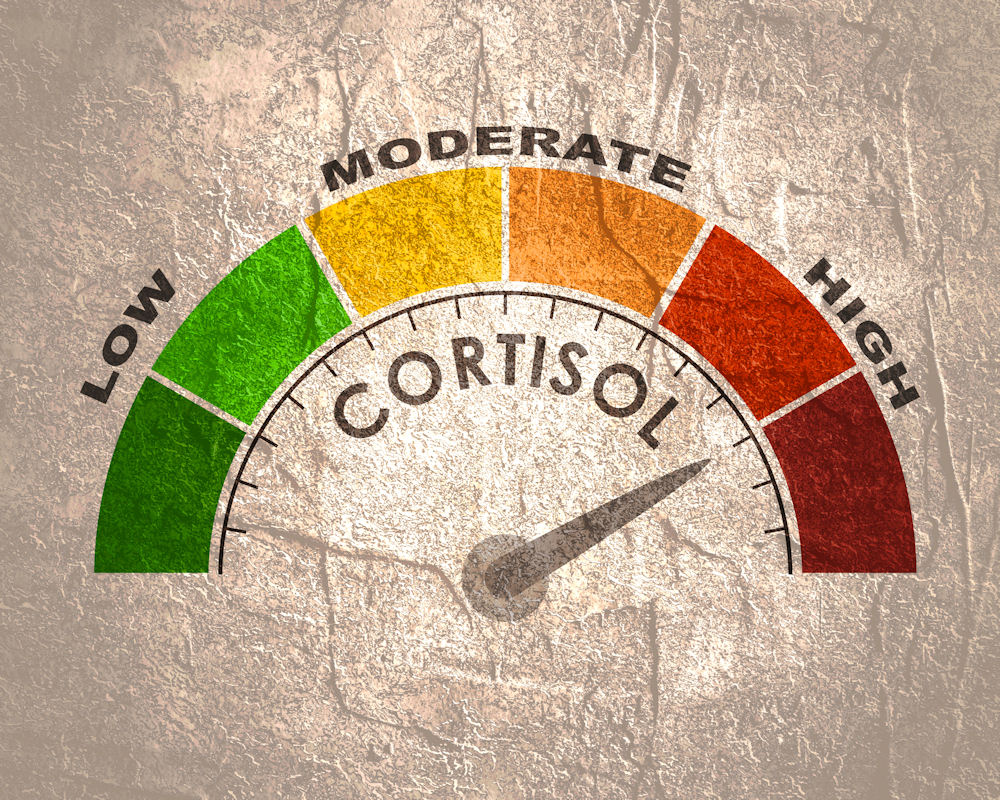 If you’re like most people, I’m sure you know the connection between alcohol and cortisol. Alcohol can increase cortisol levels, and when it does, it makes us feel sleepy, relaxed, short, and sedated. Cortisol can be managed better in several ways, some of which are included below: