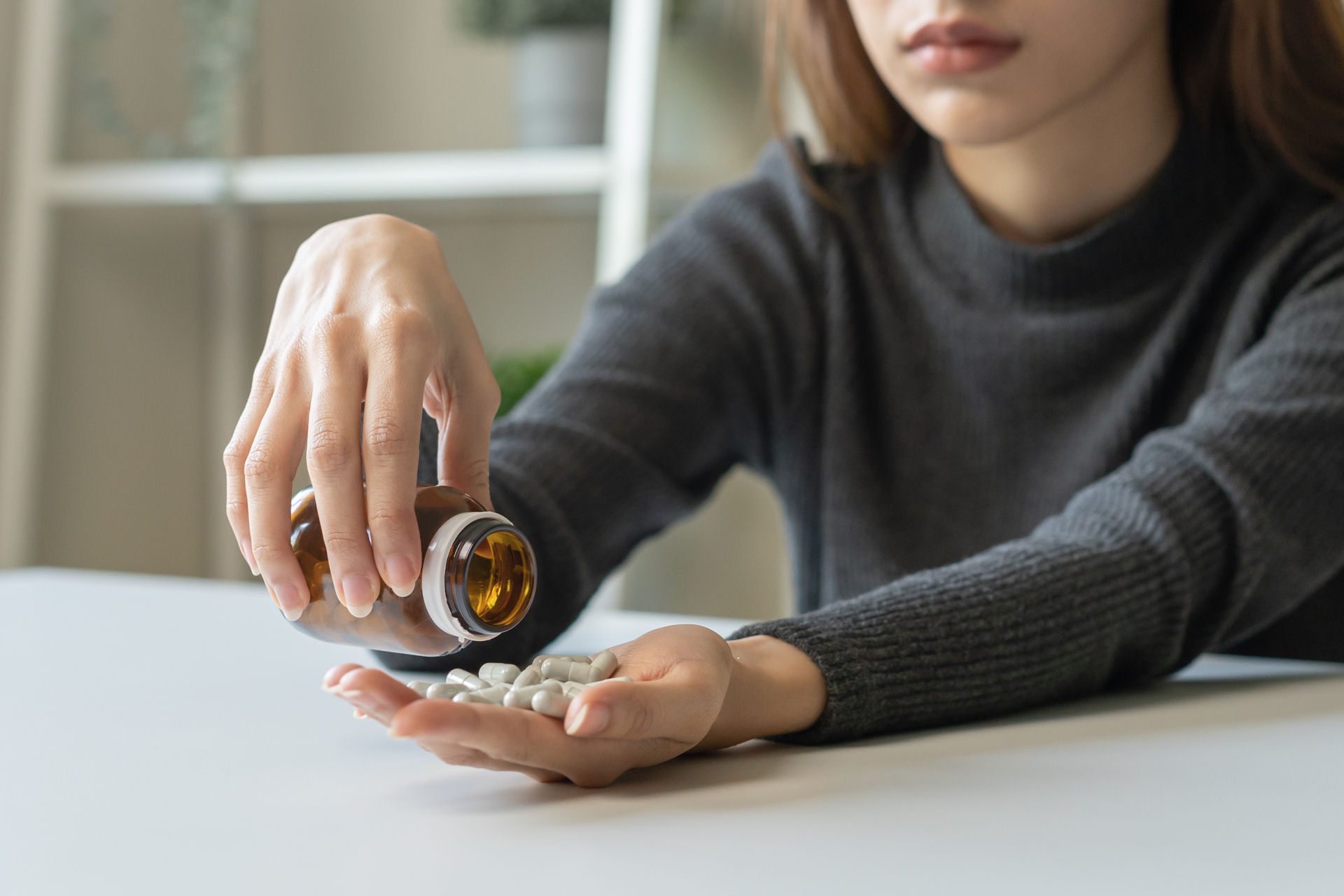
 Trying to medicate for a mental health issue can cause many problems besides the potential for addiction. It doesn’t matter what substance you turn to, self-medication can lead to:
- Dependency, addiction, or both
- Making the symptoms of the mood disorders worse, or creating new ones
- Negative interaction with any prescription medications you may be taking
- Increased problems with your health
- Damaged relationships
- Problems at work or school
- Prevent or delay you from getting help
Although self-medicating can offer some relief in the short term, it only makes problems worse in the long run.
What is Self-Medication?
In times of stress and anxiety, many people turn to substances to try to change the way they feel. They may use food, smoke a joint, or have a drink or two to settle their nerves. Some will turn to Xanax or Valium to help them sleep. And some will use ADHD medications to help keep them focused during the day. Still, others will use prescription painkillers to numb grief or stress.
When a person uses drugs or drinks alcohol to manage symptoms of a mental health issue, it’s called “self-medicating.” They may know that they have a mental health issue but don’t know any better ways to cope with it. Many times, their condition is undiagnosed and the drugs or alcohol is used to deal with a specific symptom or situation.
What is Medication Misuse?
There are more than 4 billion prescriptions written in the U.S. each year. It’s easy to understand that some of these medications wind up being misused or in the wrong hands. When medication isn’t used as prescribed or “saved for an emergency,” it creates opportunities for misuse.
Misuse of both over-the-counter and prescription medicine happens when:
- It’s used in ways that weren’t prescribed or directed.
- You use a prescription that isn’t yours.
- It was used only to get high.
- You take an incorrect dose.
- You skip a dose.
- You take the drug at the wrong time.
- You stop taking the drug too soon.
What are the Causes of Medication Misuse?
People abuse medications for many reasons such as:
- To get high or just feel good
- To relieve tension and relax
- To relieve pain
- To reduce appetite
- To improve academic or athletic performance
- To explore the mental effects
- To prevent withdrawal and maintain addiction
- To be social or accepted by peers.
Recognizing Substance Abuse
It’s easy to go from self-medicating a mental health or emotional issue to abusing alcohol or drugs. A substance abuse problem isn’t defined by what you drink or which drug you use. Likewise, it’s not defined by when you use it or how much you use it. The effects of use are what define the problem. If your self-medicating is causing problems in your life or relationships, you have a problem with substance abuse.
What is Drug Abuse?
Drug abuse happens when any drugs, including alcohol, illegal drugs, or any psychoactive substances are misused to inflict self-harm or just to get high. This is also called substance use disorder (SUD) because people who abuse drugs have significantly changed their behavior, thinking, and body functions.
What is Drug Addiction?
Drug addiction is also called severe SUD and is a brain disorder that appears as the uncontrollable use of a substance even though it is causing harm to the person’s life. People suffering from addiction have a physical and psychological need to use the substance. If they don’t use it, they experience intense withdrawal symptoms.
Common Substances Used for Self-Medication
Continued use of these drugs can lead to abuse and drug addiction.
 Helping someone who’s self-medicating can be a struggle. You need to: