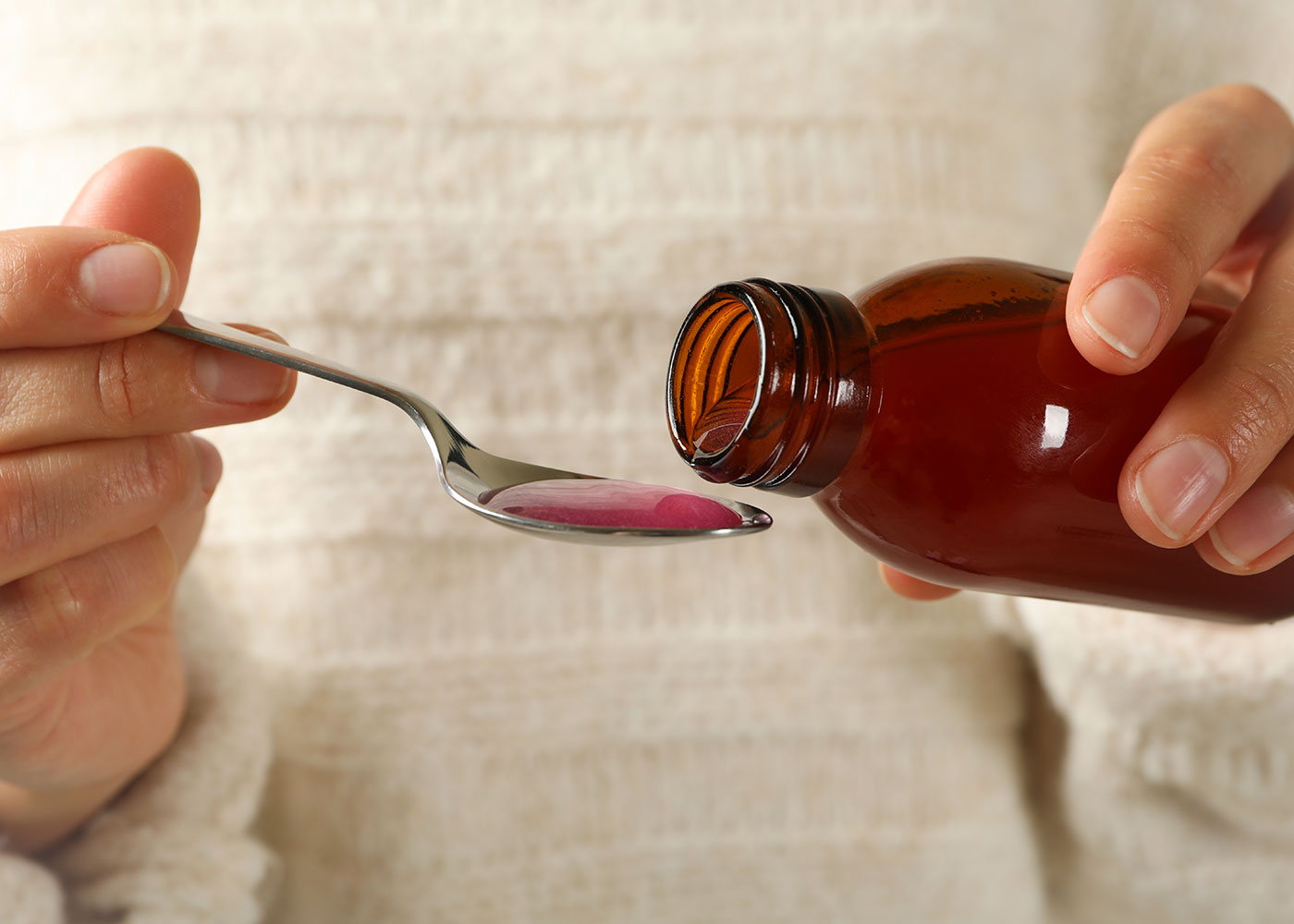
Lean drink is a drug mixture, not a harmless beverage, and carries serious health risks.
Codeine cough syrup is the primary ingredient that makes lean addictive and dangerous.
Mixing lean with soda, candy, or alcohol increases overdose and respiratory risks.
Long-term misuse can affect physical health, mental health, and daily functioning.
Professional treatment and family support can help people recover safely and sustainably.
Lean drink or purple drank has been misconceived as a “trendy” or “recreational” drink. In fact, it is a drug combination that can have serious, sometimes fatal, effects on the body. Many do not understand that the main ingredient in lean is an opioid drug that is not intended for long-term use other than under the close supervision of a physician. It is imperative for anyone considering using lean, as well as for the family of someone considering using it, to realize that using it even occasionally is not safe. Lean can lead to physical dependence and withdrawal symptoms [1] as well as overdose. At Discovery Institute, located in Marlboro, New Jersey, we work with individuals and families who are suffering from prescription drug misuse and addiction to other drugs. With compassion and evidence-based treatment, recovery from addiction to lean drink is possible.
What Is Lean Drink?
Lean, known on the street by names like lean purple drank, sizzurp, or dirty Sprite, is made by mixing prescription cough syrup with other ingredients. The term “what is lean drink?” is probably best explained by answering the question of what controlled substances are in it. Codeine [2] (included in some cough syrups) is a controlled substance that affects the brain and body. Therefore, it is considered a drug. Lean drink is not a drink; it is a harmful drug.
Origins and Street Names
Lean originated in the Southern USA, particularly in Houston, Texas, and became more widely known through popular music. Over time, many street names for lean have emerged, including lean, purple drank, sizzurp, barre, and dirty Sprite. The effect of opioids [3] in lean drinks is to make a person’s body feel good or high, but in reality, the medical risks associated with this drug are well-documented.
What Ingredients Does Lean Drink Contain?
Knowing the common ingredients found in lean will further help explain its potential danger.
Core Components
The primary ingredient in lean drink is prescription cough syrup that contains codeine and promethazine. Codeine is an opioid that slows activity throughout the central nervous system (the brain and spinal cord) [4]. Promethazine is an antihistamine that also has a sedating effect. Together, these two drugs will greatly depress a person’s ability to breathe [5] and remain alert.
Additives
In addition to the prescription cough syrup that is the main ingredient in lean drink, many individuals also mix their lean drink with soda (usually Sprite) and/or hard candy (such as Jolly Ranchers) to add flavor and sweetness. In some cases, they may also mix it with alcohol, which could add substantially to the person’s risk of suffering from respiratory depression [3] (slow or shallow breathing).
How It Is Typically Prepared
There are no standard methods or dosages for mixing lean drink. Often, people will mix their own lean drink using varying degrees of ingredients, leading to widely different levels of strength in each mixing. This makes it virtually impossible to predict the strength of any given person’s lean drink, which greatly increases [1] that person’s risk of overdose when they don’t know or have any idea of their tolerance to it.
The following describes some of the immediate effects of lean on the body and brain: Sedation [2], relaxation, euphoria, decreased motor coordination, reduced reaction time, a sense of detachment from reality, and an increased risk of accidents or injury.
Short-Term Physical Effects
The following lists some of the common short-term physical effects of lean: Drowsiness [5], dizziness, nausea, malaise (a vague feeling of discomfort often accompanied by fatigue or body aches), and decreased respiratory function caused by consuming large quantities of codeine.
Neurological and Psychological Effects
Neurologically and psychologically, lean affects cognitive function [4]. Users may experience confusion, blackouts (memory gaps), and difficulty concentrating. With continued use, cognitive impairment [3] and mood disturbances will intensify.
Risks of Mixing With Other Substances
Lean drink alone can be potentially dangerous. However, using other depressant drugs [2] (like alcohol or benzodiazepines) will put even more strain on the user’s body and significantly increase the risk of respiratory depression and overdose.
How Addictive Is Lean and What Are the Risks of Misuse?
Addiction Potential
Codeine is an opioid which has a high abuse [5] and addiction potential. The length of time that a person continues to use lean as part of their routine can lead to the development of a physical dependency on the drug. The body has become dependent on the drug to function properly. Promethazine enhances the effects of lean by increasing sedation [4] and, therefore, the potential for addiction and overdose.
Withdrawal and Dependence
When a person who has developed dependency on lean discontinues usage, they may experience withdrawal symptoms [1] that can include anxiety, muscle pain, nausea, sweating, and intense cravings. Medical detoxification, which is when healthcare professionals help patients manage withdrawal symptoms safely using medication and other interventions, is often recommended.
Long-Term Health Risks
Long-term misuse of lean can lead to serious health complications such as respiratory depression [5], which could result in death, as well as damage to the liver and kidneys. Long-term use of lean has also been shown to increase the incidence of depression, anxiety, and other mental health issues. Furthermore, continuing to use lean increases the likelihood of overdose [3] as a result of increasing the amount consumed as tolerance builds up.
Recognizing Signs of Lean Use
Behavioral and Physical Indicators
There are numerous ways to recognize abuse of lean through the type of conduct and physical signs. Some indications may be extreme drowsiness, slurred speech [2], poor coordination, and social withdrawal (becoming reclusive). Some individuals report heart palpitations, defined as an irregular heartbeat.
Impact on Daily Life
Over time, lean misuse affects various areas such as school, job, and relationships, as well as a financial burden for the continued acquisition of prescription cough syrup. Friends, family, and supporters may recognise changes [1] in motivation, mood, and reliability.
How Can Someone Get Help for Lean Use or Addiction?
Immediate Steps
The best and first course of action for anyone who is mistreating lean or any form of opioid drug is to reach out to a healthcare professional trained in substance misuse [3]. Early intervention reduces the risk of further complications.
Treatment Options
Medical detoxification method allows for supervised assistance in managing withdrawal. Treatment options also include therapy and support groups. Therapy is a vital aspect of long-term recovery [4]. Cognitive behavioral therapy (CBT) focuses on developing and changing unhealthy thought patterns and behaviors. Dialectical behavior therapy (DBT) focuses on learning how to control intense emotions and behaviors. Support from peers and family is an important part of the recovery process.
How Discovery Institute Can Help
Discovery Institute provides medically supervised detoxification and support for individuals misusing prescribed drugs (including those related to opioid addiction), along with many other service programs, including residential treatment, intensive outpatient programme, relapse prevention, family support services, and others that aid in recovery. Involving friends or family in the recovery process has been shown to positively impact [1] a person’s ability to achieve sustained recovery success. The evaluations performed by our compassionate team will determine the level of service required.
Conclusion
Lean drink is an unsafe substance. However, becoming familiar with what lean drug usage is, what is contained within lean, and its effects on the body, will assist families or individuals in making informed decisions. When either a family member, friend, or loved one is in the midst of an addiction to lean or is becoming involved in it, there is hope through compassionate and professional assistance from the Discovery Institute for all involved through every step of the recovery process.
Frequently Asked Questions About Lean Drink
Is lean drink a drug or just a beverage?
Lean is both. It is a mix of a beverage and codeine cough syrup (a controlled opioid medication), and is classified as a drug [2]. Even when mixed with soda and sweets, its effect on the brain and body is the same as that of an opioid substance, and thus can be harmful to health.
Is lean drink legal to use recreationally?
There is no legal basis to use lean as a recreational drug due to the manner in which prescription medications are used. Possessing or distributing codeine cough syrup [5] without a prescription can lead to legal consequences in addition to health risks.
What is the difference between lean and relaxation drinks sold in stores?
Commercial relaxation drinks do not contain any controlled substances. Lean contains codeine cough syrup that is capable of creating a dependent [3] user and has the potential for causing respiratory depression and overdose; therefore, it poses a much greater threat to an individual than commercial relaxation drinks.
Can you overdose on purple drank or dirty Sprite?
Yes, the potential for overdose is a significant concern. Large quantities of codeine or mixing lean with alcohol and/or other depressants can suppress breathing [2] to dangerous levels and may result in unconsciousness or death.
What are the signs that someone may be addicted to lean?
The symptoms of someone addicted to lean include an overwhelming desire to use, increased tolerance [4] to the drug, withdrawal symptoms when not consuming lean regularly, a decrease in performance at work or school, and continuing to use lean despite recognizing harmful and negative consequences on their well-being and relationships.
How long does codeine stay in the body after using lean?
The half-life [5] of codeine (the length of time for half of the substance to leave the body) is several hours. However, due to the possibility of repeated use, the effects and metabolites produced may remain longer in the case of continuous use.
Can treatment help someone stop using lean safely?
Yes, treatment can assist lean users in finding safe ways to stop using the drug through medical detox [1] services, as well as receive therapy through recovery programs and support services to enhance and promote long-term sobriety through evidence-based care.
Find out how we can help
Our compassionate counselors are standing by to answer any questions you may have. After helping thousands of people over the last 50 years, we have the resources to help you and your family and all your individual needs.
Amanda Stevens is a highly respected figure in the field of medical content writing, with a specific focus on eating disorders and addiction treatment. Amanda earned a Bachelor of Science degree in Social Work from Purdue University, graduating Magna Cum Laude, which serves as a strong educational foundation for her contributions.