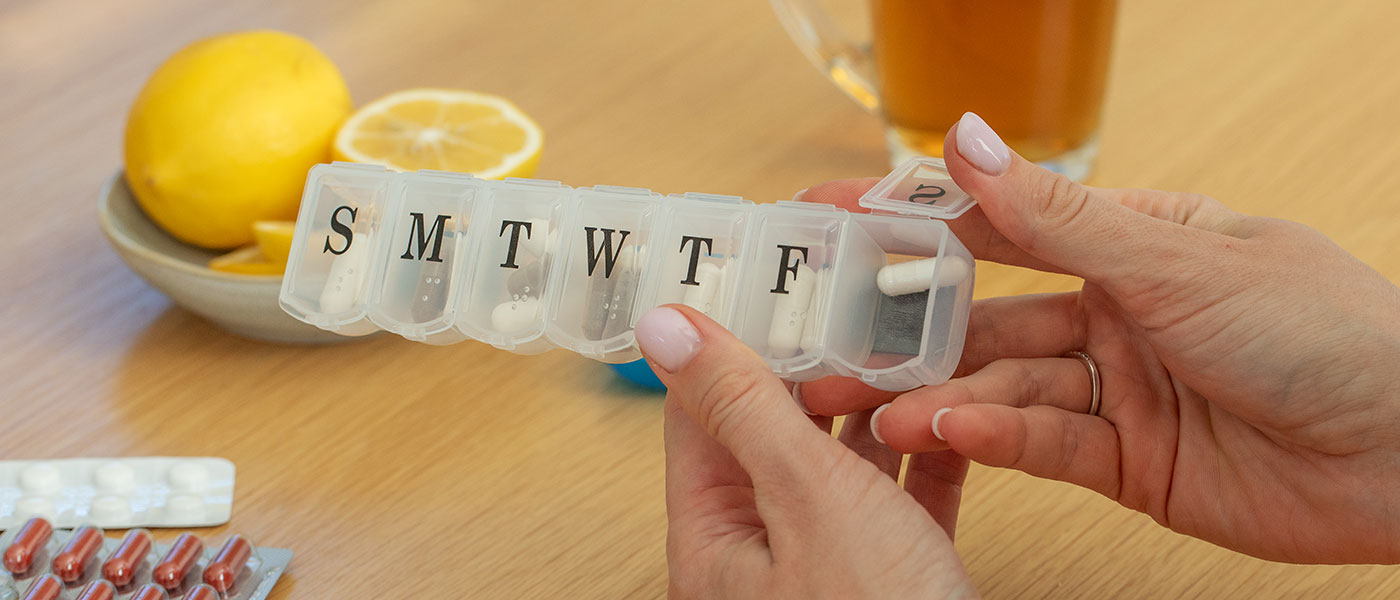
Drug tapering is a gradual reduction of a drug’s dose to minimize withdrawal symptoms and possible complications.
Taper schedules vary by drug class, with specific recommendations for each drug and its metabolism.
Drug tapers are individualized and should only be done under the supervision of a doctor.
Medical detox may be necessary for high-risk drug discontinuation and addiction.
Drug tapering is an important process to discontinue a prescription medication or drug detox from certain substances. The taper allows the body to wean off the drug and adapt gradually, reducing the severity of withdrawal symptoms and possible complications.
Find out what drug tapering means, how to taper off drugs safely, always under the supervision of a healthcare provider, and some guidelines that physicians may use for tapering some drugs.
What Is a Drug Taper?
A drug taper is a gradual reduction of a drug’s dosage over time.[1] This is always done under the guidance of a doctor. Instead of stopping a drug “cold turkey,” tapering helps the body and brain readjust to functioning without the drug.
The goal of a taper is to prevent withdrawal symptoms or reduce their severity. Tapering can also avoid rebound effects, which are symptoms of the condition being treated returning, often worse than they were before drug treatment. Some drugs have intense withdrawal syndromes that can cause complications like seizures or blood pressure spikes, but a drug taper can reduce the likelihood of these health risks.
In drug detox, tapering should be used in combination with medical monitoring and medications to help with withdrawal symptoms.
Why Is Drug Tapering Important?
Stopping certain drugs abruptly can cause serious, possibly life-threatening reactions. Many drugs alter brain chemistry by changing how neurotransmitters and receptors function.[2] Over time, the body becomes physically dependent on the drug to function, leading to withdrawal symptoms if it’s stopped suddenly. Symptoms vary based on the drug involved, but can include seizures or psychosis. A safe taper allows the brain and body to adjust and “reset” gradually, reducing these risks.
Types of Tapering
There are several types of drug tapers, but they’re not all appropriate for every situation.
Direct tapering: This is the most common and straightforward taper method that involves gradually reducing the drug dosage over days to months.
Substitution tapering: In cases of dependence on illicit, short-acting, or low-dose substances, substitution tapering may be used. This replaces the drug with a similar substance, such as substituting a long-acting opioid like methadone for a short-acting opioid like oxycodone.
Titration tapering: Titration tapering involves dissolving a small amount of a low-dose drug in water for incremental tapering. This is rarely used because of the dosage risks involved and should only be done under the supervision and guidance of a medical professional.
How to Taper Off Drugs Safely
Tapering is not a one-size-fits-all process. A safe and effective taper plan depends on the drug being discontinued, the dosage and duration of use, your health history and current condition, and your history of withdrawal reactions.
Always consult a doctor or medical professional. You shouldn’t try to taper your dose on your own. A doctor can design a taper schedule based on the drug type and your individual health.
Many drug taper schedules reduce the dose every 1 to 4 weeks, but the schedule may be adjusted based on your response and the withdrawal symptoms you experience. In some cases, the taper may need to be slowed or paused if the symptoms become severe.
Drug taper schedules are often used to wean psychiatric medications, but they’re also used for drug detox and addiction treatment. A taper may be used alongside counseling and therapy, possibly with medications to relieve some withdrawal symptoms.
Possible Tapering Schedules by Drug Class | Examples Only
Some drug classes have recommended taper schedules for medical professionals. These are general guidelines based on responsible research and previous evidence of drug withdrawal in many patients.. None of this should be taken as a substitute for medical advice. Always follow your doctor’s recommendations for drug tapering.
Benzodiazepines
Benzodiazepines like lorazepam, alprazolam, and diazepam are known for causing withdrawal symptoms if they’re discontinued abruptly. Some of the withdrawal symptoms can be severe, such as panic attacks, seizures, and hallucinations.
According to the American Society of Addiction Medicine and several other medical associations, physicians may prescribe benzodiazepine dosage reduction over 2 to 4 weeks, but never more than 25% of the previous dose.[3] Another possible prescription is the Ashton Method, which promotes gradual reduction in small increments over a long period.[4] In some cases, short-acting benzodiazepines may be switched to a long-acting benzodiazepine like diazepam, then tapered over several months.
Opioids
Opioids like morphine, oxycodone, hydrocodone, and fentanyl are used both medically and illicitly. Though withdrawal can be intense, it’s not usually life-threatening. However, severe flu-like symptoms can cause complications, and distressing psychological symptoms like anxiety and insomnia can increase the risk of relapse.
Generally, opioid doses are reduced gradually, over 1 to 3 weeks, adjusting the taper pace to the severity of symptoms.[5] With short-acting opioids, withdrawal begins in 6 to 12 hours and lasts several days to a week or longer.[6] With extended-release opioids, withdrawal starts about 24 to 48 hours after the last dose and can last 10 to 20 days.[7]
A drug taper can help with opioid withdrawal, but medications like methadone, buprenorphine, and clonidine may also be used to ease withdrawal symptoms during tapering.
Antidepressants
Antidepressants such as selective serotonin reuptake inhibitors (SSRIs) like fluoxetine, serotonin norepinephrine reuptake inhibitors (SNRIs) like venlafaxine, and tricyclic antidepressants (TCAs) like amitriptyline are not viewed as addictive drugs, but they can cause physical dependence and distressing withdrawal symptoms. Withdrawal usually begins within 3 days of stopping the drug and can last from weeks to months, often with flu-like symptoms, dizziness, mood swings, and “brain zaps,” or electric shock-like sensations.
Generally, antidepressant dosage is gradually reduced over weeks or months, depending on the specific drug and dose, and adjusted as needed to relieve withdrawal symptoms.[8] .
Antipsychotics
Antipsychotic drugs like haloperidol, risperidone, and quetiapine are not viewed as addictive, but dependence can occur. Suddenly stopping antipsychotic use can cause withdrawal dyskinesia (involuntary or jerky movements), rebound psychosis, insomnia, and anxiety.
Generally, antipsychotics are tapered with a dose reduction over the course of a month or more.[9] After long-term use, extremely slow tapers that last several months may be used to avoid serious psychiatric symptoms.
Muscle Relaxants
Muscle relaxants like cyclobenzaprine, carisoprodol, and baclofen can cause dependence with long-term use. Abruptly stopping these drugs can cause severe withdrawal symptoms like anxiety, tremors, hallucinations, or severe rebound spasticity and seizures.
Generally, muscle relaxants should be gradually reduced over 1 to 2 weeks for short-term use.[10] With long-term or high dosage use, the taper may need to be done more slowly and adjusted regularly to reduce withdrawal symptoms.
Corticosteroids
Corticosteroids like prednisone, dexamethasone, and hydrocortisone are not drugs of abuse, but regular use suppresses the hypothalamic-pituitary-adrenal (HPA) axis. Stopping suddenly can trigger adrenal insufficiency, which can be life-threatening.
Generally, corticosteroids should be reduced by a nominal amount every 1 to 2 weeks.[11] For long-term or high-dose use, the taper can last months. Sometimes doses are held for a period of time to allow adrenal function to recover.
Tapering should only be attempted under the guidance of a physician as they prescribe. These examples give you an idea of what to expect when working with a physician, not what to do. This is not a substitute for medical advice.
Medical Detox for Drug Withdrawal
Drug tapering with some drugs may be appropriate with only a doctor’s guidance, but others may require inpatient medical detox, a structured, supervised program that provides a medical team to manage symptoms and prevent complications. While this may include a taper schedule, medical detox offers comprehensive support and care for severe or dangerous withdrawal syndromes.
Medical detox may be recommended if the drug has a high risk of serious withdrawal symptoms and complications, such as benzodiazepines and alcohol, which can cause life-threatening seizures. If you’ve had tapers fail in the past or experienced severe withdrawal, use multiple substances, or have a co-occurring disorder, the supervision and medical monitoring of detox can provide a safer and more comfortable detox experience.
Keep in mind that medical detox is not a replacement for long-term treatment in the case of drug addiction, however. It’s helpful for withdrawal and builds a strong foundation for drug addiction treatment with a combination of therapies, counseling, peer support, and long-term relapse prevention skill building.
Be Safe When Discontinuing Drugs
Tapering off any drug, especially drugs that cause dependence or intense withdrawal, should be gradual and monitored by a doctor. If you want to stop taking a drug, talk to your doctor about a taper schedule, and if necessary, medical detox and drug rehab.
Frequently Asked Questions About Drug Tapering
Can I Taper Off a Drug on My Own?
Choosing your own taper schedule is not recommended. Stopping a drug too quickly or reducing the dose abruptly can cause serious withdrawal symptoms. Always talk to your doctor about how to stop taking a drug safely.
How Long Does a Drug Taper Take?
Drug taper schedules vary. Some tapers can be completed in just a few weeks, while others, especially for long-term drug use, can take months to complete. The pace depends on the drug, dosage, duration of use, and your response to withdrawal.
What Happens If I Taper Too Fast?
Depending on the drug, you may experience intense withdrawal symptoms like insomnia, nausea, anxiety, or possibly seizures and hallucinations. Fast tapers may also increase the risk of relapse.
Do Withdrawal Symptoms Always Occur?
Not always. A slow taper can reduce symptoms, but some people are more sensitive to drug dosage changes and may still experience mild symptoms.
Find out how we can help
Our compassionate counselors are standing by to answer any questions you may have. After helping thousands of people over the last 50 years, we have the resources to help you and your family and all your individual needs.
[1] Davies, J., Horowitz, M. A., Read, J., Reidenberg, M. M., Schultz, S. K., Servonnet, A., Tarsy, D., Walter, H. J., Ashton, H., Baldessarini, R. J., Bauer, M., … Hosenbocus, S. (2023, October 8). Current strategies for tapering psychiatric drugs: Differing recommendations, impractical doses, and other barriers. Psychiatry Research. https://www.sciencedirect.com/science/article/abs/pii/S0165178123004870
[6,7,8] Bangert, M. K., & Aisenberg, G. M. (2019, December 20). Drug deprescription-withdrawal risk, prevention, and treatment. Proceedings (Baylor University. Medical Center). https://pmc.ncbi.nlm.nih.gov/articles/PMC7155970/
[10] Bangert, M. K., & Aisenberg, G. M. (2019, December 20). Drug deprescription-withdrawal risk, prevention, and treatment. Proceedings (Baylor University. Medical Center). https://pmc.ncbi.nlm.nih.gov/articles/PMC7155970/
Amanda Stevens is a highly respected figure in the field of medical content writing, with a specific focus on eating disorders and addiction treatment. Amanda earned a Bachelor of Science degree in Social Work from Purdue University, graduating Magna Cum Laude, which serves as a strong educational foundation for her contributions.