Many people want to know: Is kratom an opioid or a safe alternative to opioids? This is an important question, especially for those exploring options for pain relief or seeking ways to manage opioid dependence. For over 50 years, the Discovery Institute in Marlboro, New Jersey, has provided evidence-based addiction treatment and clear information to help people and families make informed choices about recovery.
This article explains what kratom is, how it compares to opioids, and what current science says about its use. The goal is to offer straightforward facts about kratom, its relationship to opioids, and what treatments are available at our kratom rehab center.
What is Kratom and How Does it Compare to Opioids?
Kratom is a drug derived from the leaves of the tropical evergreen tree known as the Mitragyna speciosa, which grows naturally in Southeast Asia. For hundreds of years, people in countries like Thailand and Malaysia have used kratom in traditional medicine. They often brew it as tea or chew the leaves for energy and relief from discomfort.
In recent years, kratom has become popular in the United States. You can find it sold in various forms:
Powders: Ground kratom leaves mixed into drinks or food
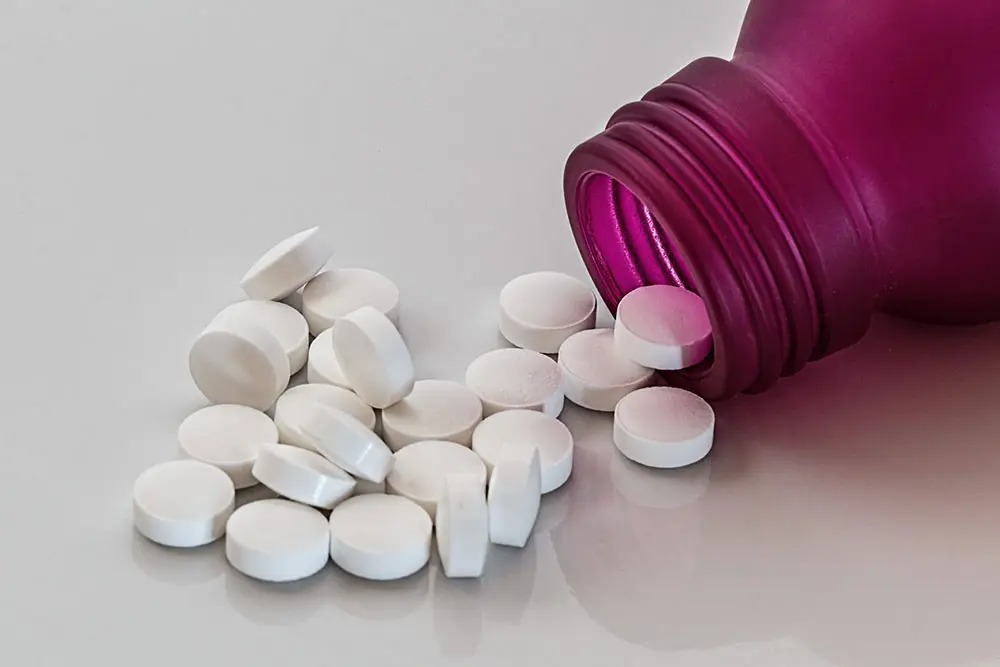
Capsules: Pre-measured doses in easy-to-swallow pills
Teas: Traditional brewing method using kratom leaves or powder
Liquid extracts: Concentrated liquid forms with higher potency
Kratom contains two main active compounds: mitragynine and 7-hydroxymitragynine. These alkaloids interact with opioid receptors in the brain—the same receptors affected by prescription opioids and drugs like morphine. The way kratom acts on these receptors can produce effects that are similar to opioids, especially at higher doses.
At low doses, users report increased energy and alertness. At higher doses, kratom is more likely to cause pain relief and sedation, much like traditional opioids. According to the National Institute on Drug Abuse (NIDA), kratom’s effects depend on the dose and the specific compounds present in the product.
Does Science Consider Kratom an Opioid or Something Else?
While kratom acts on opioid receptors in the brain, scientists classify it differently from traditional opioids. The main compounds in kratom—mitragynine and 7-hydroxymitragynine—are partial agonists rather than full agonists. This means kratom interacts with the same brain sites as opioids, but it doesn’t activate them as strongly or in the same way as drugs like morphine or oxycodone.
A full opioid agonist, such as morphine or heroin, turns on the opioid receptor completely. This can lead to strong effects, including pain relief and a high risk of respiratory depression (slowed or stopped breathing). A partial agonist, like those found in kratom, turns the receptor on only partway. This results in milder effects and generally a lower risk of severe side effects, though the risk isn’t zero.
Feature
Traditional Opioids
Kratom
Receptor activity
Full mu-opioid agonist
Partial mu-opioid agonist
Risk of respiratory depression
High
Lower but not zero
FDA approval status
Many are approved medications
Not FDA-approved
Regulation
Controlled substances
Varies by state/location
Kratom doesn’t show as an opioid on standard drug tests. Most routine drug screenings don’t detect kratom or its specific alkaloids unless the test is designed to look for them. Specialized tests can identify kratom use if specifically ordered, but kratom won’t cause a positive result for traditional opioids on general panels.
Potential Risks and Side Effects of Using Kratom
Kratom has documented risks and side effects that are important to understand. Scientific studies and reports from agencies such as the NIDA and the Food and Drug Administration (FDA) have identified several concerns related to its use.
The most commonly reported side effects include nausea and dizziness. These effects can occur soon after taking kratom, especially with higher doses or in people who have never used it before. The likelihood and severity of these side effects can increase with the amount taken and with individual sensitivity to the plant’s active compounds.
Regular use of kratom can lead to dependence and withdrawal symptoms. People who use kratom over time may experience cravings, irritability, muscle aches, or trouble sleeping if they stop. When considering how strong kratom is compared to morphine, kratom’s potency is generally lower, but its potential for dependence is still present. Recent surveys suggest that a minority of users—about 2% to 7%—may develop a substance use disorder related to kratom use.
Kratom products can be contaminated or adulterated, and the strength of different products can vary widely. The FDA has raised concerns about some kratom products being contaminated with harmful bacteria, heavy metals, or other drugs. Serious adverse events have included liver injury, seizures, and, in rare cases, death—often when kratom is combined with other substances.
Warning signs that require medical attention include:
Yellowing of the skin or eyes (possible liver problems)
Severe confusion, seizures, or fainting
Chest pain or trouble breathing
Rapid or irregular heartbeat
How People Use Kratom for Pain and Opioid Withdrawal
People use kratom for many reasons, but pain relief and managing symptoms of opioid withdrawal are two of the most common. According to surveys and research, individuals who have experienced opioid dependence sometimes report turning to kratom for opioid withdrawal or as a way to reduce opioid use.
Capsules and tablets are a popular way to take kratom. The powdered leaf is packed into small, easy-to-swallow capsules or pressed into tablets. Dosages vary, but many users report taking between 1 and 3 grams per serving, sometimes repeating this dose up to three times per day. The primary advantage of capsules or tablets is convenience, as they mask the taste and allow for more precise dosing.
Kratom has been traditionally consumed as a tea in Southeast Asia. The leaves or powder are steeped in hot water, then strained and drunk. Most people report the taste as very bitter and earthy, which some find unpleasant. When used as a tea or mixed powder, the onset of effects is usually faster than with capsules—often within 15 to 30 minutes.
Tinctures and extracts are concentrated liquid forms of kratom. These are made by dissolving kratom powder or leaves in alcohol or another solvent, resulting in a much stronger product than raw powder or tea. Because of their high potency, tinctures and extracts may produce effects more quickly and intensely, but they also carry an increased risk for accidental overdose or stronger side effects.
What the FDA and Other Agencies Say About Kratom
Kratom is not currently classified as a controlled substance at the federal level in the United States. Its legal status varies by state and locality; some states have banned kratom, while others allow it to be sold as an herbal supplement. Kratom is not approved by the Food and Drug Administration (FDA) for any medical use, including as a kratom alternative to prescription opioids.
The FDA has issued multiple public health warnings about kratom. According to the agency, “data continues to provide strong evidence that kratom compounds are opioids with potential for addiction and abuse.” The FDA has objected to marketing claims that promote kratom as a safe alternative to prescription opioids or as a treatment for opioid addiction, stating that such claims are unproven and may mislead consumers.
The Drug Enforcement Administration (DEA) lists kratom as a “drug of concern.” In 2016, the DEA considered classifying kratom’s main active compounds as Schedule I controlled substances, which would have placed them in the same category as heroin and LSD. After receiving public comments and reviewing available evidence, the DEA withdrew this proposal and continues to monitor kratom’s use and safety profile.
Key agency positions include:
FDA position: Kratom is not approved for any medical use and is not considered a safe alternative to prescription opioids
DEA considerations: Kratom is labeled a “drug of concern” but not currently scheduled as a controlled substance
NIDA research: Kratom’s effects and safety are still under investigation with ongoing research
Safer Alternatives for Addiction Recovery
Evidence-based approaches to addiction treatment have been studied and validated by medical and scientific communities. These methods are used by licensed treatment centers and are supported by research for their safety and effectiveness.
Medication-assisted treatment (MAT) uses FDA-approved medications such as methadone, buprenorphine, and naltrexone to help people with opioid use disorder. Methadone and buprenorphine work by attaching to the same brain receptors as opioids, which reduces cravings and withdrawal symptoms without causing a “high” when used as prescribed. Naltrexone blocks the effects of opioids in the brain and helps prevent relapse. These medications have been shown in clinical studies to lower the risk of overdose and support long-term recovery when combined with counseling.
Behavioral therapies are structured treatments that focus on changing patterns of thinking and behavior related to substance use. Examples include cognitive-behavioral therapy (CBT), which helps individuals identify and avoid triggers for substance use, and contingency management, which uses a system of rewards for healthy behaviors. These therapies address the psychological and emotional aspects of addiction.
Support groups and counseling provide opportunities for individuals to share experiences and gain encouragement from others facing similar challenges:
Narcotics Anonymous (NA): Peer support through group meetings and sponsorship
SMART Recovery: Skills-based approach focusing on motivation and behavior change
Professional counseling: Individual or family sessions addressing underlying issues
Moving Forward with Recovery Support
Kratom is a plant-based substance sometimes used by people seeking relief from pain or opioid withdrawal. Research shows that kratom acts on opioid receptors but is not classified as a traditional opioid. Some individuals report reduced opioid use when using kratom, but medical organizations such as the FDA and NIDA note that kratom is not approved for treating addiction or pain, and concerns remain about its safety, regulation, and variable potency.
Safer alternatives for addiction recovery have been studied in controlled settings. These include medication-assisted treatment, behavioral therapies, and support systems. Such approaches are supported by scientific evidence and are available through licensed programs.
Discovery Institute offers a continuum of care for people with substance use disorders. Services address every stage of recovery, from medical detoxification and inpatient treatment to outpatient programs, relapse prevention, and aftercare. Programs also include family support and therapy to address the broader impact of addiction. Recovery is possible, and professional programs are designed to support individuals and families through each step of the process.
Contact the Discovery Institute to Learn More
Discovery Institute recognizes that people face many questions when exploring options for addiction treatment or alternatives to opioids. Those with concerns about opioid dependence or who are thinking about substances like kratom can reach certified addiction counselors at the Discovery Institute for information and support. Free evaluations are available, and counselors guide individuals through evidence-based treatment options that have been used in professional settings for many years. For more information or to connect with a counselor, contact us today.
Find out how we can help
Our compassionate counselors are standing by to answer any questions you may have. After helping thousands of people over the last 50 years, we have the resources to help you and your family and all your individual needs.
Dr. Michael DeShields serves as the esteemed Medical Director, bringing nearly four decades of dedicated experience in the field of addiction medicine. A recognized leader in his field, Dr. DeShields has been at the forefront of addiction treatment for 39 years, combining clinical expertise with compassionate care.