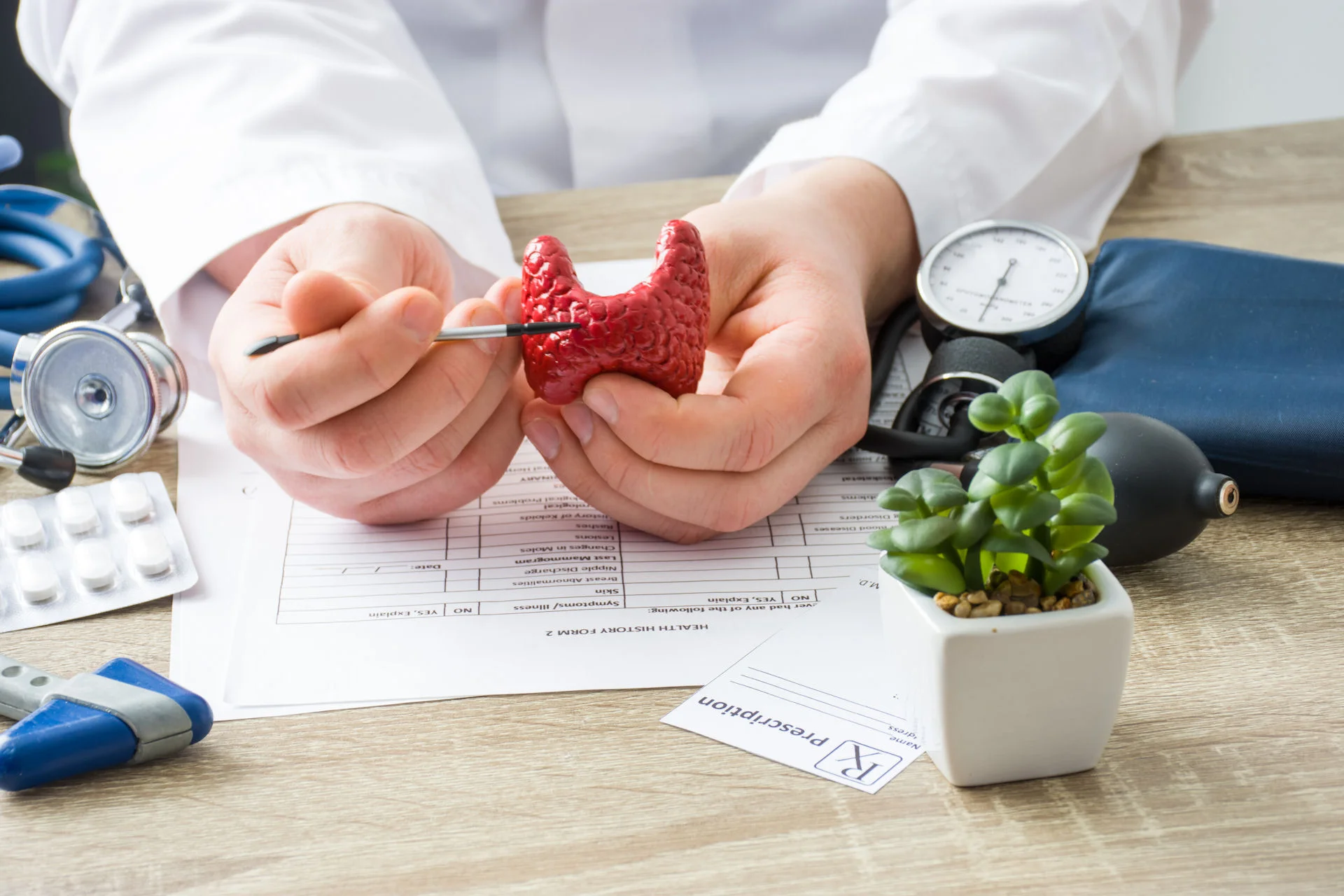

Did you know that excessive drinking can harm your thyroid? Alcohol use affects many areas of the body, from the gut to the mind. However, there are other areas of the body most people wouldn’t think about alcohol affecting. Drinking excessively can have a detrimental impact on a person’s thyroid.
Alcohol abuse is strongly linked to hypothyroidism. This condition also is called underactive thyroid. If you drink alcohol and have symptoms of hypothyroidism such as fatigue, depression, weight gain, and memory problems, consult your doctor about having your thyroid function tested for thyroid disease, and evaluated for addiction and other contributing conditions such as mental illness.
At Discovery Institute in Marlboro, New Jersey, our medical professionals, and addiction specialists are highly trained in helping people suffering from alcohol addiction and hypothyroidism receive the treatment they need to manage their conditions and achieve a healthier lifestyle.
Impact of Alcohol on the Immune System
Alcohol has been shown to impact the functioning of the thyroid gland. Additionally, it can compromise the immune system, lead to chronic inflammation, and harm the liver, which plays a vital role in the conversion of thyroid hormones.
The liver’s primary function includes filtering all substances that enter the body, such as food, beverages, and medications. Once the intestines break down ingested items into their constituent parts, the liver is tasked with distinguishing beneficial substances from harmful ones. Beneficial components are then released into the bloodstream for the body’s utilization, while harmful substances are eliminated. A liver that is not functioning optimally can hinder the conversion of the inactive thyroid hormone T4 into the active hormone T3, making it essential to maintain liver health.
Moreover, alcohol can disrupt the body’s ability to metabolize estrogen. When the liver is unable to process estrogen effectively, it may accumulate in the tissues, leading to a condition known as estrogen dominance. This imbalance can trigger the body’s stress response, thereby perpetuating a cycle of stress, hormonal disruption, and symptoms associated with hypothyroidism.
Furthermore, alcohol consumption is linked to an increase in intestinal permeability, commonly referred to as leaky gut. This condition occurs when bacteria and toxins can pass through the junctions that hold the cells lining the gut together, compromising the integrity of the intestinal wall. Alcohol effectively creates small openings between these cells, allowing toxins to enter the bloodstream and resulting in inflammation.
 Alcohol is the most commonly used drug in the United States, with over 70% of people ages 18 and older consuming it at some point during their lifetime. Drug and alcohol abuse can have a significant negative impact on thyroid health.