Verify InsuranceGet Directions
Get Help Now (732) 333-3167
Discovery Institute
  • Detox
    • Alcohol Detox
    • Amphetamine Detox
    • Benzodiazepine Detox
    • Cocaine Detox
    • Drug Detox
    • Medical Detox
    • Opiate Detox
    • Prescription Drug Detox
    • Meth Detox
    • Fentanyl Detox
    • Heroin Detox
  • Residential Treatment
    • Rehab
    • Treatment for Young Adults
    • Treatment for Adults
    • Treatment for Seniors
  • Programs
    • Intensive Outpatient Program
    • Addiction Counseling
      • Individual Therapy
      • Group Therapy
      • Cognitive Behavioral Therapy
      • Dialectical Behavior Therapy
      • Equine Therapy
      • Family Therapy
    • Dual Diagnosis
      • ADHD and Addiction
      • Anxiety and Addiction
      • Bipolar Disorder and Addiction
      • Depression and Addiction
      • Eating Disorders and Addiction
      • OCD and Addiction
      • PTSD and addiction
      • Personality Disorders and Addiction
    • Holistic Addiction Treatment
    • Relapse Prevention
    • Telehealth Treatments
    • Treatment Planning
    • Vocational Services
    • Alumni Program
  • Resources
    • Blog
    • Family Support
    • Addiction Guides
      • Am I an Addict?
      • Addiction & Health Problems
      • The Stages of Addiction
      • Guide for Parents of Addicts
      • Guide for Spouses of Addicts
      • Guide for the Children of Addicts
      • Understanding Overdose
      • Going Through Withdrawal
    • Insurance Coverage
      • Verify Your Insurance
      • Aetna Insurance
      • Blue Cross Blue Shield
      • Emblemhealth Insurance
      • Prosper
      • Tricare Insurance
      • Humana Insurance
      • Oxford Healthcare
      • United Healthcare
      • MHC for Treatment
      • 1199 Insurance
      • Princeton Health/MedPro Health Insurance
      • Horizon NJ Insurance
      • New York Hotel Trade Insurance
      • NY State Empire Plan Insurance
      • Empire Bluecross Blueshield
      • Iron Workers Local #40 Insurance
      • Qualcare
      • Beacon Health Options
      • Magnacare
      • Magellan
      • Amerihealth
      • Anthem Bluecross Blueshield
    • Interventions
    • Overdose Response Initiative
      • Naloxone Finder
      • Distribution
      • Overdose Resources
    • Sober Living
    • FAQ’s
    • Helpful Links
  • About
    • Our Purpose
    • Our Team
    • Our Facility
    • Our Technology
    • Our Research
    • Our Editorial Policy
  • Contact
    • Admissions
    • Directions
    • Referral
    • Careers
Mental Health
Home / Blog / How Long Can a Manic Episode Last?

How Long Can a Manic Episode Last?

Written by

Dr. Michael DeShields

Posted On: October 30, 2024
How Long Can a Manic Episode Last?

Jump to Section

Toggle
    • Table of Contents
  • Understanding Mania
  • What are the Types of Mania?
  • Mania Signs and Symptoms
  • What are the Causes of Mania?
  • What Are Bipolar Cycles?
  • Treating Bipolar Cycles
  • How to Support a Loved One With Bipolar Cycles
  • Find Help for Bipolar Disorder and Addiction at Discovery Institute

Table of Contents

  • Understanding Mania
  • What are the Types of Mania?
  • Mania Signs and Symptoms
  • What are the Causes of Mania?
  • What Are Bipolar Cycles?
  • Treating Bipolar Cycles
  • How to Support a Loved One With Bipolar Cycles
  • Find Help for Bipolar Disorder and Addiction at Discovery Institute

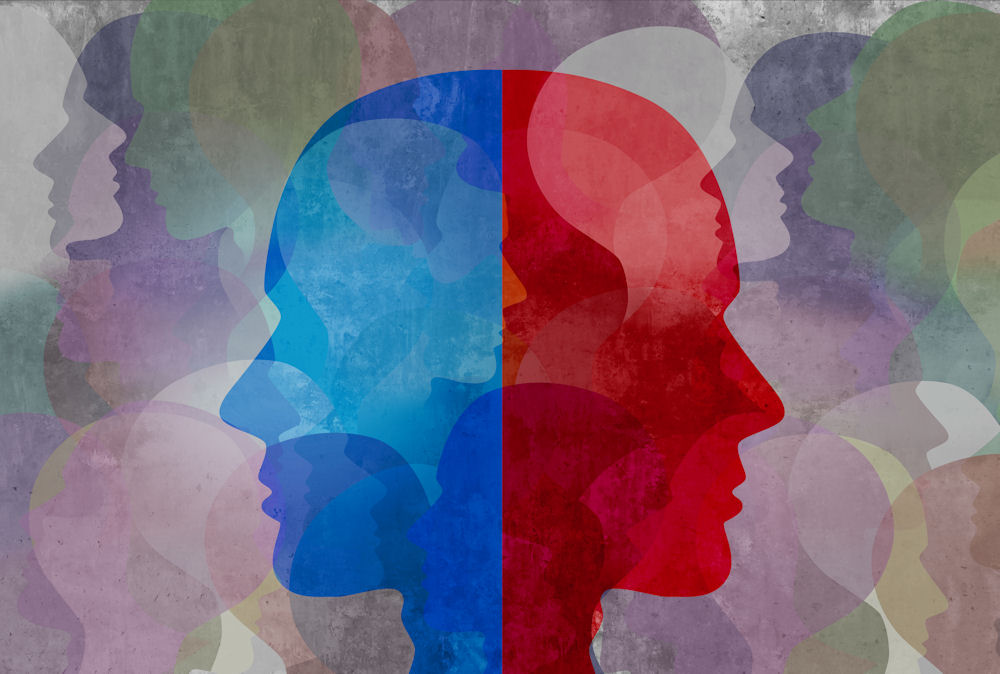
Manic episodes can feel like a whirlwind for those experiencing them and their loved ones—characterized by high energy, intense emotions, and sometimes risky behaviors. These episodes are a major symptom of bipolar disorder, and understanding their length, types, and triggers is crucial for finding balance and effective support.

While there’s no exact time frame, manic episodes can last anywhere from days to months. In this blog, we will delve into the different types of mania, the dynamics of bipolar cycles, and how to recognize and respond to the signs. Whether you’re here for yourself or to support a loved one, we’ll explore practical insights and treatment resources to help navigate bipolar disorder together.

Understanding Mania

Mania is a hallmark symptom of bipolar disorder, marked by an elevated mood, increased energy, and unusual behaviors ranging from being overly talkative and hyperactive to aggressive and impulsive. Although mania might seem positive due to its “highs,” these episodes can be dangerous, often leading to reckless actions and a disconnect from reality. Recognizing the nuances of mania is essential to understanding bipolar disorder.

dual-diagnosis

What are the Types of Mania?

Mania manifests differently across individuals, often depending on the specific type of bipolar disorder. Here are the main types:

Classic Mania

Common in individuals with bipolar I disorder, classic mania features intense symptoms such as euphoria, high energy, impulsivity, and racing thoughts. These episodes last at least a week and often require medical intervention or hospitalization due to their severity and impact on daily life.

Hypomania

Seen in bipolar II disorder, hypomania is a milder version of mania. These episodes last a minimum of four days and may include symptoms like increased energy and elevated mood, but they typically do not impair daily functioning to the same extent as classic mania.

Mixed Mania

This type includes symptoms of both mania and depression simultaneously, creating a distressing experience. Individuals may feel euphoric and agitated while also experiencing sadness and hopelessness, increasing the risk of impulsive or harmful behaviors.

Each type presents its challenges and risks, affecting the duration and severity of episodes.

Mania Signs and Symptoms

Manic episodes can vary in intensity and duration, presenting symptoms such as:

  • Increased energy and heightened activity levels
  • Euphoria or intense happiness
  • Decreased need for sleep without feeling tired
  • Impulsive and risky behaviors like excessive spending or substance use
  • Rapid speech and racing thoughts
  • Irritability or aggression, especially in mixed episodes

These symptoms can impair judgment and complicate personal and professional relationships. As the episode wanes, signs that mania is ending may include a noticeable decrease in energy, an increased need for rest, and a return to awareness of the consequences of recent actions. Recognizing these signals can help prepare for the next phase and support effective management of mood cycles.

What are the Causes of Mania?

Manic episodes in bipolar disorder can be triggered by a combination of genetic, biological, and environmental factors:

  • Genetic Factors: A family history of bipolar disorder often increases the risk of experiencing mania, suggesting a strong genetic link.
  • Chemical Imbalances: The mood changes associated with mania are linked to imbalances in neurotransmitters like serotonin, dopamine, and norepinephrine.
  • Environmental Stressors: Life events, chronic stress, or trauma can act as triggers for mania, especially in those predisposed to bipolar disorder.
  • Substance Use: Drugs and alcohol can intensify and prolong manic episodes, particularly when used to cope with symptoms. Drug rehab can offer specialized support in these cases, helping individuals manage both bipolar disorder and substance use.

What Are Bipolar Cycles?

A bipolar cycle refers to the pattern of mood changes experienced by individuals with bipolar disorder, typically shifting from manic (or hypomanic) phases to depressive phases. In these cycles, periods of high energy and excitement during mania or hypomania are often followed by depressive phases characterized by low mood, fatigue, and a loss of interest in activities. The intensity and duration of these shifts can vary, and individuals may experience longer or shorter periods of stability between episodes.

So, how long can a manic episode last based on the type of bipolar disorder? The duration of manic episodes can differ based on individual characteristics and whether the person is receiving treatment. For those with Bipolar I disorder, manic episodes can last a week or more, often intensifying to the point where hospitalization may be necessary.

In contrast, individuals with Bipolar II disorder experience hypomania, a less intense form of mania that typically lasts at least four days and allows them to function relatively normally. Without treatment, both manic and depressive episodes can persist longer, highlighting the importance of consistent treatment in managing the length and intensity of bipolar cycles effectively.

Treating Bipolar Cycles

Effective treatment of bipolar cycles typically requires a comprehensive approach that integrates medication, therapy, and lifestyle management. Medications play a critical role in stabilizing mood and managing symptoms. Commonly prescribed medications include mood stabilizers, such as lithium and valproate, antipsychotics, and antidepressants, tailored to the individual’s specific needs.

Psychotherapy, in addition to medication, is essential for holistic treatment. Cognitive-behavioral therapy (CBT) is particularly beneficial as it empowers individuals to identify and manage their triggers, develop coping strategies, and challenge negative thought patterns. Therapy provides a safe space to explore feelings, improve interpersonal relationships, and build resilience against potential relapses.

For those facing co-occurring substance abuse issues alongside bipolar disorder, dual diagnosis treatment is crucial. This integrated approach ensures that both mental health and addiction are addressed simultaneously, preventing one condition from exacerbating the other. Treatment often involves a multidisciplinary team of healthcare providers who collaborate to create an individualized plan promoting recovery and enhancing overall well-being. Through this comprehensive framework, individuals can better understand their condition and learn effective strategies to manage their bipolar cycles, leading to improved quality of life.

How to Support a Loved One With Bipolar Cycles

Supporting someone with bipolar disorder requires empathy, patience, and an understanding of the unique challenges they face. Here are several ways to offer meaningful support:


Educate Yourself

Learning about bipolar disorder, its symptoms, and its cycles can provide valuable insight. By understanding the highs of mania and the lows of depression, you can approach each cycle with greater compassion and perspective, fostering a supportive environment.

Encourage and Support Treatment

Staying engaged with treatment, whether through therapy, medication, or support groups, is essential for managing bipolar disorder. Encourage your loved one to attend appointments and adhere to treatment plans. Offering assistance with scheduling or transportation to sessions or attending family therapy together can demonstrate your active interest in their treatment journey.

Be Patient and Non-Judgmental

Bipolar disorder can be unpredictable, and cycles may sometimes be beyond anyone’s control. During manic or depressive episodes, strive to remain patient and avoid judgment or criticism. Instead, listen with empathy and validate their feelings, reminding them they are not alone. Creating a judgment-free space can help them feel safe, valued, and understood.

Establish Stability with Routine and Structure

A stable environment with consistent routines can help mitigate the intensity of mood swings. Encourage healthy habits, like regular sleep, balanced meals, and gentle exercise, to provide grounding during difficult times.

Watch for Warning Signs and Know When to Seek Help

Staying alert to warning signs of severe symptoms is crucial. Be prepared to recognize shifts in behavior, speech, or sleep patterns that may signal a worsening condition. If symptoms become life-threatening, such as thoughts of self-harm, reach out to mental health professionals immediately or take them to the nearest hospital if needed.

Offer Emotional and Practical Support

Beyond understanding and routine, simple gestures of compassion can make a significant difference. Cooking a meal, going for a walk, or simply sitting quietly together can convey your presence and support during both good and challenging times.

signs mania is ending

Find Help for Bipolar Disorder and Addiction at Discovery Institute

bipolar disorder treatmentManaging bipolar disorder and its cycles is a lifelong journey that can feel overwhelming, particularly when combined with substance use challenges. At Discovery Institute, we provide specialized treatment programs tailored for individuals facing both bipolar disorder and addiction. Through dual diagnosis treatment and a comprehensive support system, we aim to help individuals achieve stability, manage symptoms effectively, and lead fulfilling lives.

If you or someone you care about is struggling with bipolar disorder, remember that help is within reach. Managing bipolar cycles is possible with the right support and resources—reach out to us today!

Dr. Michael DeShields

Clinical Advisor

Read More

Need Professional Help With Addiction?

  • New Jersey Addiction Treatment
  • Addiction & Mental Health Programs
  • Intensive Outpatient Program (IOP) in New Jersey
  • Dual Diagnosis Treatment in New Jersey
  • Drug & Alcohol Detox Programs

Addiction Recovery & Detox

  • Depressant Drugs: Long-Term Side Effects
  • Involuntary Commitment Laws in New Jersey
  • Sleeping Pill Addiction
  • How to Find an AA Sponsor
  • 10 Common Questions About Alcohol Detox
  • Foods That Fight Depression
  • How Substance Abuse Affects Marriage

Drug & Substance Abuse FAQs

  • What Do Shrooms feel Like?
  • How Does Drinking Affect the Thyroid?
  • Can Adderall Cause a Heart Attack?
  • Can You Overdose on Cough Drops?
  • Does Alcohol Cause Mood Swings?
  • Are You Dealing With Dry Drunk Syndrome?
  • How Does Alcohol Affect Cortisol?
  • Do Illegal Drugs Cause Hair Loss?
  • What Drugs Cause Dilated Pupils?
  • Can Alcohol Abuse Cause Multiple Sclerosis?

Are You Covered For Insurance Treatment?

Insurance Logo
Insurance Logo
Insurance Logo
Insurance Logo
Insurance Logo
Insurance Logo
Learn More

Our Editorial Policy

The Discovery Institute aims to provide accurate, ethical, clinically sound information regarding addiction and mental health for individuals and their families. All content published by The Discovery Institute is reviewed for accuracy and clarity by qualified individuals and is medically reviewed. We aim to make complicated subjects easy to understand without resorting to fear-based marketing techniques or misleading assurances. Content is regularly reviewed and updated to reflect current best practices, ensuring readers receive reliable, supportive guidance.

Read More About Our Process

Copyright © 2026 Discovery Institute. All Rights Reserved.

Accessibility Toolbar

  • Powered with favoriteLove by Codenroll

GET IN TOUCH

We’re Ready When You Are.

Call 24/7 to have a discussion with one of our treatment professionals the call is completely free. Admission Line and explanation of convenient private phone and free prescreening.

Need Help? Contact Us

(732) 333-3167


Schedule Your Admission

Free assessment and 100% confidential  
  • This field is for validation purposes and should be left unchanged.
Footer Logo
  (732) 333-3167
  80 Conover Rd
Marlboro, NJ 07746
       
Joint-Commission

About Discovery

  • About
  • Meet Our Staff
  • Admissions Information
  • Contact Us
  • Get Directions
  • Review Us
  • Find Us On the Web
  • COVID-19 Protocols

Rehab & Treatment

  • Rehab Programs
  • Drug Rehab
  • Alcohol Detox
  • Drug Detox

Get Directions

Map

Addiction Resources

  • Learn About Addiction
  • Am I An Addict
  • Common Rehab Questions
  • Insurance Verification

Copyright © 2025. All Rights Reserved. Discovery Institute Recovery Center | Privacy Policy | Accessibility

Jump to Section

×
    • Table of Contents
  • Understanding Mania
  • What are the Types of Mania?
  • Mania Signs and Symptoms
  • What are the Causes of Mania?
  • What Are Bipolar Cycles?
  • Treating Bipolar Cycles
  • How to Support a Loved One With Bipolar Cycles
  • Find Help for Bipolar Disorder and Addiction at Discovery Institute
→ Table of Contents