
You know how you’re always told to look on the bright side and see the glass as half full? Well, what if that sunny, optimistic perspective doesn’t come naturally to you? There’s nothing wrong with leaning toward the pessimistic side of the spectrum. It’s a completely valid mindset, and you shouldn’t feel pressured to change it if it works for you. But if your pessimism is weighing you down and negatively impacting your mental health, there are ways to cultivate a healthier, more realistic outlook without abandoning your tendency to prepare for the worst.
This month, as we honor Mental Health Awareness, let’s dive into the world of pessimism vs optimism and how it affects us, along with some tips for striking a balance between these perspectives that leave us feeling mentally stronger. The aim isn’t to suddenly become a perpetually sunny optimist; rather, it’s about finding a perspective that helps us cope with life’s challenges while still recognizing the good around us.
And let’s not forget the importance of self-care on this journey. Self-care means different things to different people, but it’s all about taking time for ourselves to recharge and nurture our mental well-being. Whether it’s practicing mindfulness, indulging in hobbies we love, setting healthy boundaries, or simply reaching out for support when we need it, self-care plays a crucial role in helping us maintain balance and resilience in our lives. So let’s make self-care a priority and give ourselves the care and attention we deserve.
Pessimism vs Optimism and Realism
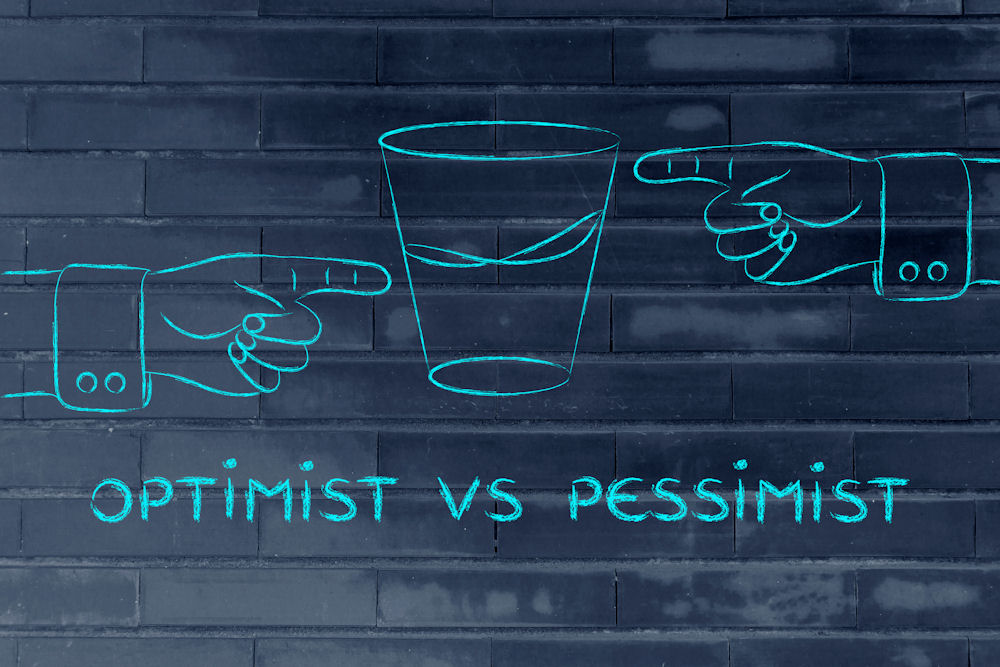 Optimism, pessimism, and realism each offer unique perspectives on life and its challenges. Optimism is like a beacon of hope, guiding individuals through difficult times with a positive outlook. It can provide a sense of resilience, helping people bounce back from setbacks and navigate through adversity with greater ease. Optimists often maintain a sense of agency and control over their lives, believing in their ability to overcome obstacles.
Pessimism, on the other hand, tends to paint a darker picture, emphasizing potential pitfalls and negative outcomes. While a certain degree of caution can be beneficial, excessive pessimism can lead to feelings of hopelessness and defeat. Pessimists may struggle with anxiety disorders and other co-occurring disorders such as substance abuse and depression as they constantly anticipate the worst-case scenarios.
Realism, positioned between optimism and pessimism, encourages individuals to see situations as they truly are, without undue optimism or pessimism clouding their judgment. Realists assess circumstances objectively, weighing both the positive and negative aspects to make informed decisions. They acknowledge the challenges ahead while also recognizing their capabilities to address them effectively.
Finding the right balance between optimism, pessimism, and realism is key to maintaining mental well-being. While optimism can provide motivation and resilience, realism ensures a grounded understanding of reality. Pessimism, when tempered, can serve as a cautionary voice, prompting individuals to consider potential risks and prepare for them appropriately. Ultimately, a blend of optimism, realism, and a touch of pessimism can help individuals navigate life’s ups and downs with grace and resilience.
Can Pessimism Be Good?
Some degree of pessimism can be helpful at times. Pessimism may make you more risk-averse and help avoid dangers or poor decision-making. However, a predominantly pessimistic vs optimistic outlook often does more harm than good to well-being and mental health. The key is cultivating an optimistic mindset most of the time, while also practicing realism.
A Note on Changing Your Mindset: Tips
If you tend towards pessimism, making a conscious effort to shift your mindset can have significant benefits. Some tips for developing an optimistic outlook:
 When it comes to anxiety, the pessimism bias tends to magnify our worries. Imagine you have a job interview coming up. Instead of focusing on the potential positives, like your qualifications or the chance to showcase your skills, your mind fixates on all the things that could go wrong. You might imagine stumbling over your words, forgetting important information, or even getting rejected. This pessimistic outlook feeds into your anxiety, making you feel increasingly tense and apprehensive as the interview approaches.