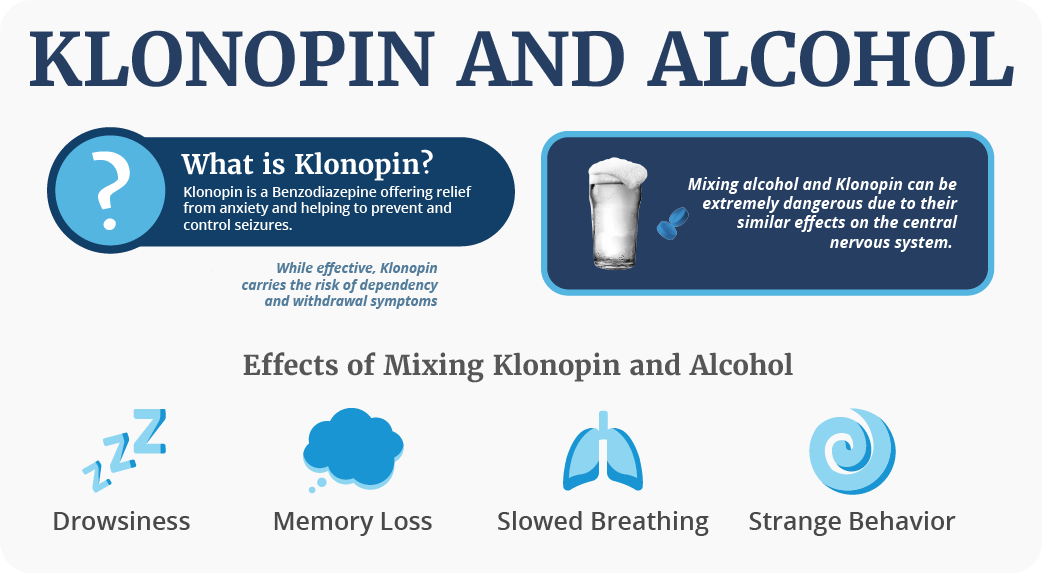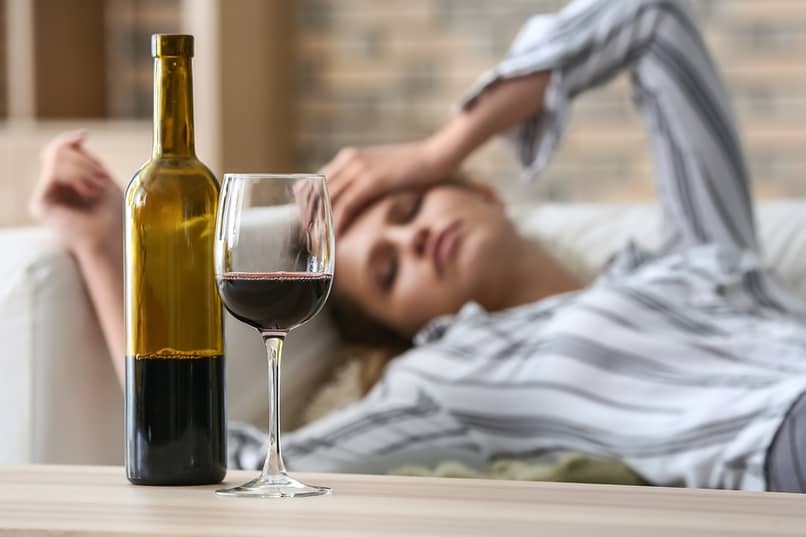

Alcohol abuse is dangerous. Klonopin abuse is also dangerous. Abusing alcohol and benzos on their own is detrimental to the health of the human body; when these two substances are abused in conjunction, the danger (or even the potential danger) is nearly incomprehensible. This potentially life-threatening combination amplifies each substance’s effects; it leads to heightened risks and extreme physical and psychological complications.
It is imperative to gather a sense of awareness and prevention in safeguarding one’s health. Without an accurate understanding of the dangers of mixing these two substances, individuals may unknowingly put themselves at significant risk.
At Discovery Institute in Marlboro, New Jersey, we offer a variety of substance abuse treatment programs and other resources to help people break the cycle of addiction.
What is Klonopin (Clonazepam)
 Klonopin, generically known as clonazepam, is a type of medication that falls under the category of benzodiazepines. It’s primarily used to treat seizure disorders or panic disorders by having a calming effect on the brain and nerves. Klonopin works by enhancing the effects of a certain natural chemical in the body (GABA). However, it’s important to note that this medication can lead to addiction; it should be used under the direct supervision of a healthcare provider.
Klonopin is often prescribed for short-term use due to its potential for addiction and dependency. It should not be taken for longer than 2-3 weeks unless otherwise directed by a doctor. Klonopin has also been found to be effective in managing symptoms of other conditions such as bipolar disorder and alcohol withdrawal.
While Klonopin can be extremely beneficial when supervised by a professional, there is, unfortunately, a potential for misuse and abuse. Some individuals may misuse klonopin for its sedative effects, taking higher doses than prescribed or using it without a prescription. This behavior can lead to dependency and serious health consequences. This goes to show the importance of using the medication responsibly, under the guidance of a medical professional.
What is Alcohol?
Alcohol, also known as ethanol, is a psychoactive substance commonly found in drinks such as beer, wine, and spirits. It is produced through the fermentation of sugars by yeast. Consumed in moderation, it can have a relaxing effect and is often part of social activities; this is why, oftentimes, people find themselves in patterns of abuse. Excessive consumption can lead to serious health issues, including liver disease, heart problems, and addiction.
In recent decades, there has been a growing concern about alcohol abuse and its harmful effects on individuals and society. This has led to an increase in education and awareness campaigns, as well as stricter regulations and policies on the sale and consumption of alcohol. Alcohol is often seen as a normal part of social gatherings, celebrations, and even daily life. This normalization has made it easier for individuals to develop problematic drinking habits without realizing the potential consequences.