Heroin Detox Center in New Jersey
If you are scared to stop using heroin because of withdrawal, you are not weak and you are not failing. Heroin withdrawal can be intensely painful, physically exhausting, and emotionally overwhelming. For many people, the biggest danger is not that withdrawal itself is usually fatal – it is that the discomfort, cravings, and loss of tolerance can drive relapse and increase overdose risk.
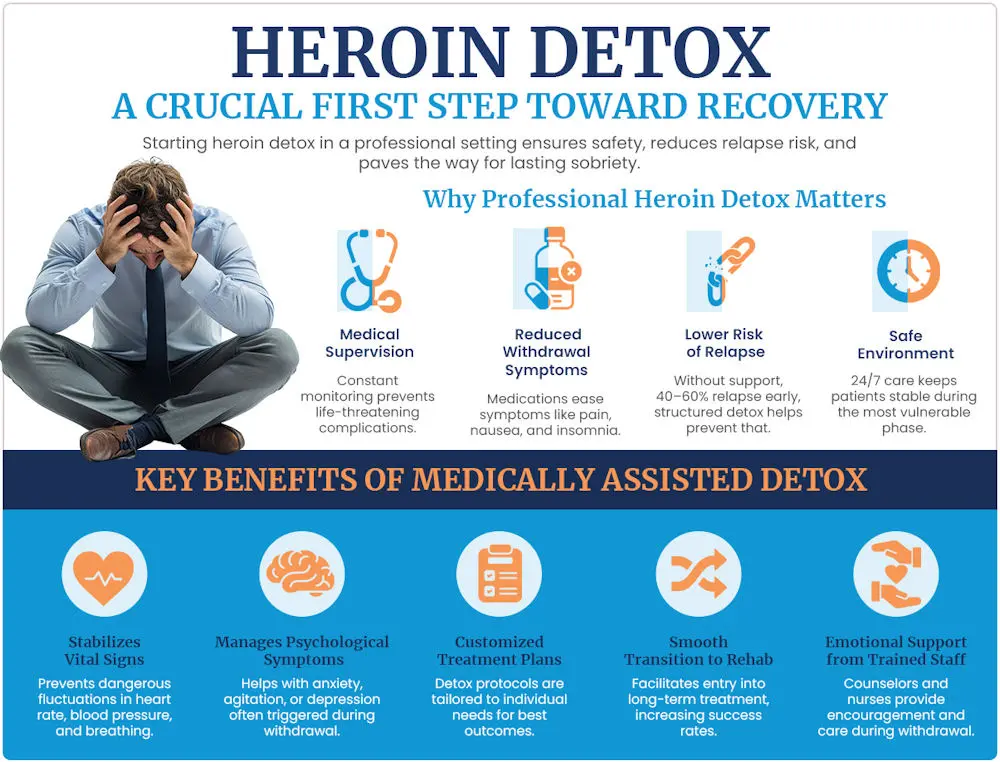
That is why medical detox matters. At Discovery Institute, our heroin detox center in New Jersey helps people withdraw from heroin in a safer, more comfortable setting with clinical support and medication-assisted treatment when appropriate. The goal is not just to get through the next few days. It is to help you stabilize, reduce relapse risk, and move into real treatment

Heroin is an opioid, and regular use changes the way the brain and body function. Over time, the body begins to rely on heroin to feel normal. When use suddenly stops, the nervous system has to adjust without the drug it has adapted to. That is what causes heroin withdrawal.
Many people describe heroin withdrawal as feeling like the worst flu of their life combined with intense anxiety, body pain, nausea, insomnia, and overpowering cravings. While heroin withdrawal is usually not fatal in the way alcohol or benzodiazepine withdrawal can be, it can still become dangerous. Dehydration, severe vomiting, relapse, and overdose are real concerns, especially when someone tries to detox alone.
This is also why a stigma-free, medically grounded approach matters. Opioid addiction is a medical condition, not a moral failure. People struggling with heroin use disorder need treatment, structure, and support – not shame.
For many people, heroin withdrawal symptoms begin within 6 to 12 hours after the last use, though timing can vary depending on the type of opioid used, how much was used, and whether other substances are involved.
Early symptoms often include:
- anxiety
- agitation
- muscle aches
- sweating
- yawning
- runny nose
- watery eyes
- restlessness
- trouble sleeping
- strong cravings
This early phase is often when people begin to panic and want immediate relief. Without support, that is one reason relapse happens so quickly.
Withdrawal symptoms usually intensify over the first one to three days. This is often the hardest stage physically and emotionally.
Peak symptoms may include:
- nausea and vomiting
- diarrhea
- abdominal cramping
- chills and goosebumps
- sweating
- elevated heart rate
- bone and muscle pain
- dilated pupils
- severe insomnia
- intense heroin cravings
- anxiety or irritability
Even though heroin withdrawal is rarely fatal on its own, this phase can be hard enough to push someone back to use. If a person relapses after even a short break, reduced tolerance can sharply increase overdose risk.
By days 4 through 7, the most severe physical symptoms often begin to ease. But that does not mean the person feels well yet.
Later-stage symptoms can include:
- fatigue
- body aches
- poor sleep
- low mood
- irritability
- lingering stomach issues
- cravings
- difficulty concentrating
This stage is where many people feel physically worn down and emotionally vulnerable. They may start thinking they should be “fine by now,” but cravings and psychological distress can still be strong. That is one reason detox should lead directly into the next phase of treatment.
Heroin Detox Timeline: Day by Day
Heroin withdrawal follows a general pattern, but each person’s experience is different. The exact timeline depends on factors like frequency of use, amount used, route of administration, co-occurring conditions, and whether fentanyl or other opioids are involved.

Day 1
Symptoms often begin within 6 to 12 hours after the last dose. Anxiety, sweating, restlessness, watery eyes, runny nose, and cravings are common. Many people already feel uncomfortable enough at this point that they want to use again.
Day 2
Withdrawal symptoms usually intensify. Nausea, vomiting, diarrhea, chills, body aches, insomnia, and agitation become more prominent. Cravings can become very strong.
Day 3
For many people, this is the peak of acute withdrawal. Pain, gastrointestinal distress, insomnia, and cravings may all be at their worst. This is one of the highest-risk windows for relapse.
Day 4
Some physical symptoms may start to ease, but many people still feel physically drained and emotionally unstable. Sleep may still be poor, and cravings can remain intense.
Days 5 to 7
Acute symptoms often continue to taper. A person may still feel weak, depressed, anxious, or unable to focus. The body is stabilizing, but the urge to use may still be present.
After the first week
Some people continue to deal with post-acute symptoms such as insomnia, low motivation, mood swings, and cravings. Detox addresses withdrawal, but it does not resolve opioid use disorder on its own. Continued treatment is what helps people build a safer recovery path.
People searching for heroin withdrawal treatment NJ often want one direct answer: how do I get through this without relapsing? The answer is usually not “just wait it out.” It is to enter a structured setting where symptoms can be treated and next steps are already in motion.
Medication-Assisted Treatment (MAT) for Heroin Detox
Medication-assisted treatment, or MAT, is one of the most effective tools available for opioid detox and early recovery. MAT helps reduce withdrawal distress, lower cravings, and improve the chances that a person stays engaged in treatment instead of returning to heroin use.
At Discovery Institute, MAT may be part of an individualized heroin detox plan depending on the person’s symptoms, history, and clinical needs.
Suboxone combines buprenorphine and naloxone. Buprenorphine is a partial opioid agonist, which means it can help ease withdrawal symptoms and cravings without producing the same high as heroin when used appropriately. Naloxone is included to reduce misuse potential.
For many people, Suboxone is one of the most important medications in heroin detox because it can:
- reduce the severity of withdrawal
- lower cravings
- make detox more tolerable
- support transition into ongoing treatment
Timing matters with Suboxone. It is usually started once withdrawal has begun, because taking it too early can trigger precipitated withdrawal. In a clinical setting, the treatment team can monitor symptoms and start medication at the right time.
Methadone is a long-acting opioid agonist used in some cases to help manage withdrawal and reduce cravings. Because it acts on the same receptors as heroin in a controlled way, it can help stabilize the person and reduce the cycle of withdrawal and compulsive use.
Methadone may be appropriate in certain clinical situations, especially for people with more severe opioid dependence or a history that suggests they may benefit from this approach. As with all MAT decisions, use should be guided by medical evaluation and supervision.
Clonidine
Clonidine is not an opioid medication, but it can help reduce some withdrawal-related symptoms such as sweating, agitation, anxiety, and elevated heart rate. It is often used as supportive medication during detox.
Naltrexone
Naltrexone is typically not used to get a person through the earliest stage of heroin withdrawal. Instead, it may be considered after detox is complete, once opioids are out of the system. It can help reduce the rewarding effects of opioids and support relapse prevention for some people.
The broader point is this: heroin detox should not be an endurance test. Medication support can make the process safer, more manageable, and more likely to lead into treatment rather than back into use.
Ready to start? Call (844) 433-1101 now.
For people comparing options, heroin detox is one part of a larger continuum that starts with medically supervised detox in New Jersey.
What Our Heroin Detox Program Includes
Heroin detox should treat more than symptoms in isolation. It should provide medical oversight, emotional support, and a clear plan for what comes next.
At Discovery Institute, detox begins with an assessment of opioid use history, withdrawal symptoms, physical health, mental health concerns, and immediate risks such as relapse, overdose history, dehydration, or polysubstance use. From there, the treatment team builds a care plan designed to help the person stabilize safely.
24/7 Medical Monitoring
Withdrawal symptoms can change quickly, especially in the first few days. Around-the-clock monitoring helps the care team track changes and respond early.
Medical monitoring during heroin detox may include attention to:
- hydration status
- vomiting and diarrhea
- sleep disruption
- vital signs
- medication response
- worsening agitation or distress
- co-occurring psychiatric symptoms
- complications related to other substances
This matters not because heroin withdrawal is typically fatal, but because severe discomfort and instability create real relapse risk. Clinical monitoring helps reduce that risk while improving safety and comfort.
If fentanyl exposure is part of the picture, that may also affect symptom severity and detox planning. In those cases, related care like fentanyl detox may also be relevant.
Emotional and Peer Support
People in heroin detox are often carrying fear, shame, grief, exhaustion, and hopelessness all at once. Clinical care matters, but so does the environment around it.
Support during detox may include:
- reassurance during withdrawal
- encouragement to stay in care during the hardest hours
- help understanding what symptoms are normal
- structured separation from immediate triggers
- compassionate support from staff and peers
- preparation for the transition into continued treatment
That human support can be the difference between leaving early and staying long enough for treatment to begin working.
Many people entering detox are already aware they need heroin addiction treatment, but they feel stuck at the withdrawal step. Detox exists to help them get past that barrier safely.
For people using heroin or other opioids interchangeably, a related service such as opiate detox may also be relevant depending on the substances involved.
What Happens After Heroin Detox?
Detox is the first step, not the full treatment plan.
Heroin withdrawal treatment helps the body get through acute withdrawal. It does not fully address cravings, triggers, trauma, mental health symptoms, relapse patterns, or the underlying drivers of opioid use. That is why detox should connect directly to continued care.
After heroin detox, next steps may include:
- residential treatment
- intensive outpatient care
- relapse prevention planning
- medication management
- therapy and recovery support services
For people who need more structure after detox, the next stage may include heroin rehab in New Jersey. That level of care gives people more time to stabilize, build coping skills, and create a recovery plan that goes beyond short-term withdrawal management.
The best detox program is not just the one that gets someone through withdrawal. It is the one that helps them keep going afterward.
Does Insurance Cover Heroin Detox in NJ?
In many cases, yes. Insurance often covers some or all of the cost of heroin detox, but coverage depends on the plan, network status, medical necessity requirements, and any out-of-pocket responsibilities.
Because heroin detox is often time-sensitive, verifying benefits early can make the admissions process smoother. An admissions team can often help review coverage, explain likely costs, and clarify what documentation may be needed.
If cost has been stopping you from reaching out, it is worth checking your benefits before assuming treatment is out of reach. Many people find they have more coverage than they expected.
The Discovery Difference: Our Technology
Self-detoxing without the help and support of medical professionals can lead to relapse. We are committed to helping our clients safely and comfortably detox from substance use at Discovery Institute. When it comes to overcoming alcohol addiction, your physical health is our priority. That’s why we use wearable technology to monitor vitals and better understand the symptoms people are experiencing.
The initial stages of alcohol detox and recovery can be difficult and some withdrawal symptoms can be life-threatening. But, through our wearable technology, our nursing staff can easily read vitals and quickly act when an issue occurs. If there are changes in heart rate, signs of an oncoming seizure, tremors, stress levels, or any other physical withdrawal symptoms, we can swiftly jump into action due to the monitoring of Discovery’s wearable technology!
As our wearable technology works to properly and efficiently monitor and record vitals, our medical staff can have more time to focus on treating our clients’ needs. We’re revolutionizing the field of behavioral healthcare. That’s the Discovery Difference.
Heroin Detox Frequently Asked Questions
Acute heroin withdrawal often begins within 6 to 12 hours after the last use, peaks within the first few days, and starts to ease over about a week. Some symptoms, especially cravings, sleep disruption, or low mood, can continue longer. The exact timeline depends on the person’s opioid use history, health, and whether other substances are involved.
Heroin withdrawal is usually not fatal in the same way alcohol or benzodiazepine withdrawal can be, but it can still be dangerous. Severe vomiting, dehydration, relapse, and overdose are real risks. The biggest concern is often that the discomfort becomes so intense that a person returns to use before they are medically stable.
Medication-assisted treatment may include Suboxone (buprenorphine/naloxone), Methadone, Clonidine, and in some cases Naltrexone after detox. The right medication approach depends on the individual’s symptoms, history, and clinical needs.
Trying to detox from heroin at home can be extremely difficult and increases the risk of relapse. Even if withdrawal itself is not usually fatal, the pain, cravings, dehydration, and reduced tolerance after a period without use can raise overdose risk if relapse occurs. Medical detox offers a safer and more supportive environment.
CONTACT US
Start Heroin Detox in New Jersey Today
If you are using heroin and feel trapped by what withdrawal will be like, there is a way forward. You do not have to white-knuckle it, and you do not have to prove anything by suffering through it alone. Discovery Institute provides heroin detox in New Jersey with medical support, MAT options, and a plan for what comes next after withdrawal. The goal is not just to stop heroin for a few days. It is to help you start recovery with real support behind you.
Verify your insurance or call (732) 251-0329 today.

Get Help Now
Looking for addiction help for yourself or a loved one? Our professionally trained admissions coordinators are always available to assist you with any questions you might have.

Make a Referral
For professional client referrals, please call our helpline and ask to be directed to the outreach team. You can also submit a contact form below to schedule a call with us.

Schedule a Tour
If you are an addiction professional interested in our services, we would love to arrange a tour of our treatment facility with you.